Leave a Message

By providing your contact information to La Tierra, your personal information will be processed in accordance with La Tierra's Privacy Policy. By checking the box(es) below, you consent to receive communications regarding your real estate inquiries and related marketing and promotional updates in the manner selected by you. For SMS text messages, message frequency varies. Message and data rates may apply. You may opt out of receiving further communications from La Tierra at any time. To opt out of receiving SMS text messages, reply STOP to unsubscribe.

Thank you for your message. We will be in touch with you shortly.

Blog

Scenic Easements In Big Sur Explained

Thinking about buying land or a home in Big Sur and seeing “scenic easement” on the title report? You are not alone. These restrictions shape what you can build, how it looks, and even how lenders view the property. In this guide, you will learn what scenic easements are, how they work in Big Sur, and the practical steps to protect your plans and investment. Let’s dive in.

What is a scenic easement

A scenic easement is a recorded property interest that limits certain uses or changes on the land to protect views, ridgelines, and the visual character of the area. It runs with the land, which means it binds future owners unless it has a stated term. The easement holder is often a public agency or land trust, and that holder has the right to enforce the restrictions.

How it differs from conservation easements

Both scenic and conservation easements restrict uses and can be perpetual. The key difference is purpose. A scenic easement focuses on protecting visual resources, while a conservation easement may also protect wildlife habitat, open space, historic resources, or agriculture. Some scenic easements can qualify for federal charitable deductions if they meet the Internal Revenue Code requirements for a conservation contribution, including protecting scenic enjoyment and satisfying technical rules like a qualified appraisal and a qualified holder. Not all scenic easements meet those standards.

Why Big Sur uses scenic easements

Big Sur sits within California’s coastal zone, where visual resources are a priority under state and county policies. Monterey County’s Big Sur Land Use Plan places strong emphasis on protecting public views and ridgelines. Because of the area’s dramatic coastline and development limits, scenic easements are common tools to preserve viewsheds and guide future development.

Typical holders in this region include county agencies, the California Coastal Conservancy, the California Coastal Commission in some cases, and regional land trusts. Easements often work alongside Coastal Development Permit requirements, which apply to many projects in Big Sur.

Common restrictions in Big Sur

Scenic easements in Big Sur are often detailed. You will commonly see:

  • Building envelopes that limit where new structures can go, with little or no development allowed outside the envelope.
  • Ridgeline protections that prohibit structures above certain contours or visible from key public viewing points.
  • Height and massing controls, such as roofline height limits and stepped designs to reduce visual impact.
  • Vegetation rules that either protect native screening or limit tree removal that would open up conspicuous views.
  • Color, materials, and lighting standards that avoid reflective surfaces and reduce nighttime glow.
  • Access clauses that allow the holder to inspect and monitor the property.
  • Fire-safety carve-outs that permit fuel reduction and defensible-space work, often with conditions. The exact language varies, so read it closely.

What it means for your plans

Before you sketch a vision for a house, guest unit, or barn, compare your concept to the easement text and maps. Many scenic easements allow routine maintenance and interior renovations but require approval for exterior changes, especially outside the designated envelope. The easement holder may have a formal review process, design guidelines, timelines, and fees. Plan for that review in your schedule.

Coastal regulations also apply. Even if the easement allows a use, you may still need a Coastal Development Permit. In Big Sur, the easement and coastal approvals often work together and both must be satisfied.

Financing and mortgages

Lenders typically review recorded easements to ensure their collateral is secure. If the scenic easement predates the mortgage, the lender will accept that it runs with the land. If you plan to finance, have your lender review the easement early. Some lenders may request confirmations from the holder or specific legal endorsements from the title company.

Taxes and assessments

A scenic easement might qualify for a charitable deduction only if it meets federal conservation-easement rules, including a qualified appraisal, a qualified organization as holder, perpetuity, and a qualified conservation purpose like scenic enjoyment. Property tax impacts vary by county practice. Because rules and valuation effects can be nuanced, it is wise to consult a local tax professional.

Resale and value

Scenic easements can help preserve the surrounding views, which many buyers value. They can also limit future expansion, guest houses, or alternative uses, which may narrow the buyer pool. Appraisers adjust for lost development rights and look at how the market understands these restrictions in Big Sur. For sellers, clear disclosure and complete documentation reduce uncertainty and support pricing.

Due diligence checklist for buyers

Move these items to the top of your list when evaluating a Big Sur property with a scenic easement:

  • Obtain the full recorded easement instrument, including all exhibits and maps. Do not rely on summaries.
  • Get surveys and maps showing the building envelope, ridgelines, setbacks, and any view corridors or measurement points.
  • Request the conservation or management plan, baseline documentation report, and monitoring reports. Ask for any amendments or enforcement history.
  • Review the preliminary title report for other encumbrances, including utility easements, covenants, and encroachments.
  • Collect correspondence and approvals from the holder related to past projects or design reviews on the property.
  • Check Coastal Development Permit history, conditions, and any outstanding mitigation obligations.
  • If a prior owner claimed tax benefits for the easement, ask for the qualified appraisal and supporting IRS documentation.
  • Ask your lender to review the easement early and confirm if they need subordination or consent from the holder.

Key questions to ask

Go beyond documents and ask direct questions of the seller and the easement holder:

  • What specific rights are reserved to the owner, and what uses are prohibited?
  • Is the easement perpetual? If not, what is the term and are there conditions for modification?
  • Are there defined building envelopes or approved plans that guide future development?
  • What is the holder’s review process, timeline, and fee structure for approvals?
  • Has the holder enforced this easement before? Are there violations or disputes on record?
  • What are the access provisions for monitoring, and how are they used in practice?
  • What fire and fuel-management activities are allowed, and how do those interact with county and coastal requirements?
  • Will the holder sign lender consent documents if needed?

Professionals to involve

Because Big Sur has unique coastal and scenic protections, assemble a team early:

  • Real estate attorney with scenic and conservation easement experience in California.
  • Local planner who knows Monterey County’s Big Sur Land Use Plan and coastal processes.
  • Surveyor to produce an ALTA/NSPS survey showing the easement and building envelope.
  • Appraiser familiar with conservation-encumbered properties.
  • Title officer to address priority and issue endorsements that satisfy lender requirements.

Red flags to watch

Identify issues that can delay or derail your plans:

  • Vague language about what is “visible” or “in character” without clear standards or maps.
  • Missing exhibits, baseline photos, or maps that define envelopes and view corridors.
  • Broad enforcement or access rights that allow frequent entry without notice.
  • A history of aggressive enforcement or unresolved violations.
  • Prior tax-deduction claims without the required appraisal and documentation.

Negotiation moves that help

You can often reduce risk by clarifying expectations before closing:

  • Request written approvals or a list of permitted activities tied to your intended use.
  • Explore an amendment or side agreement if the holder is willing. Ensure any change is recorded.
  • Ask the holder to review and pre-approve design parameters, color palettes, or screening plans.
  • Obtain a lender consent form acceptable to common mortgage programs.
  • For sellers, share monitoring reports and baseline documentation to help buyers underwrite the risk.

Enforcement, changes, and termination

Holders monitor scenic easements and can seek injunctive relief or other remedies for violations. Most prefer to resolve issues cooperatively, supported by baseline documentation and periodic inspections. Perpetual easements are difficult to change. Courts or statutes allow modification or extinguishment only in narrow circumstances. If a prior tax deduction was taken, federal rules add strict limits on termination and may require specific financial outcomes if extinguishment occurs. In Big Sur, public interest in scenic protection makes termination unlikely.

Applying this in Big Sur

If you plan a new residence or addition, start by matching your design concept to the building envelope and height limits shown in the easement. Confirm whether tree work for views would conflict with vegetation rules, and whether fire-safety provisions allow the defensible space you need. Coordinate easement-holder review with your Coastal Development Permit steps so timelines align. For financed purchases, give your lender the easement early and confirm any consent requirements. The goal is simple: no surprises after contingencies expire.

Ready to explore properties in Big Sur with confidence? The team at La Tierra blends technical land expertise with discreet, high-touch guidance so you can move forward with clarity and care.

FAQs

What is a scenic easement on a Big Sur property?

  • A recorded restriction that protects visual resources by limiting certain uses, structures, and design features, and it runs with the land for future owners.

How do scenic easements affect building a new home in Big Sur?

  • They can confine development to a building envelope, impose height and design limits, and require holder approval in addition to coastal permits.

Can I claim a tax deduction for donating a scenic easement?

  • Only if it meets federal conservation-easement rules, including qualified purpose, qualified holder, perpetuity, and a qualified appraisal.

Will a scenic easement make getting a mortgage harder?

  • Lenders often require early legal review, clear priority in title, and sometimes holder consents, so start that process right away.

Who enforces scenic easements in Big Sur?

  • Public agencies or land trusts that hold the easement monitor compliance and can seek remedies for violations.

Can a scenic easement be amended or removed?

  • Perpetual easements are difficult to change, and modifications usually require holder consent and sometimes court action, with added limits if tax benefits were taken.

Recent Blog Post

Understanding Membership And Amenities At Santa Lucia Preserve

Understanding Membership And Amenities At Santa Lucia Preserve

Read Post

Equestrian Living In Carmel Valley

Equestrian Living In Carmel Valley

Read Post

Preparing To Sell A Home In Santa Lucia Preserve

Preparing To Sell A Home In Santa Lucia Preserve

Read Post

Big Sur Coastal Development Permit: A Beginner’s Guide

Big Sur Coastal Development Permit: A Beginner’s Guide

Read Post

Building Envelopes at Santa Lucia Preserve Explained

Building Envelopes at Santa Lucia Preserve Explained

Read Post

Daily Life At Santa Lucia Preserve

Daily Life At Santa Lucia Preserve

Read Post
Carmel Valley vs. Carmel‑by‑the‑Sea: Which Fits You?

Carmel Valley vs. Carmel‑by‑the‑Sea: Which Fits You?

Read Post

Exploring Backcountry - Alan Drew

Exploring Backcountry - Alan Drew

In any season, adventure is only a few steps away, but each season presents different advantages.

Read Post

Scenic Easements In Big Sur Explained

Scenic Easements In Big Sur Explained

Read Post

Architecture Styles That Define Carmel‑by‑the‑Sea

Architecture Styles That Define Carmel‑by‑the‑Sea

Read Post

Big Sur Living: Access, Services and Daily Realities

Big Sur Living: Access, Services and Daily Realities

Read Post

Condo vs. House for a Monterey Second Home

Condo vs. House for a Monterey Second Home

Read Post

Choosing the Right Homesite at Santa Lucia Preserve

Choosing the Right Homesite at Santa Lucia Preserve

Read Post
How To Evaluate a Legacy Parcel in Pebble Beach

How To Evaluate a Legacy Parcel in Pebble Beach

Read Post

Car‑Light Living In Monterey Using The Coastal Trail

Car‑Light Living In Monterey Using The Coastal Trail

Read Post

Smart Home Upgrades Every Carmel-by-the-Sea Homeowner Needs

Real Estate

Smart Home Upgrades Every Carmel-by-the-Sea Homeowner Needs

Essential Smart Home Upgrades for Carmel-by-the-Sea Residents

Read Post

What “Off‑Market” Really Means in Monterey

What “Off‑Market” Really Means in Monterey

Read Post

Conservation Easements in Carmel Valley: The Basics

Conservation Easements in Carmel Valley: The Basics

Read Post

Choosing the Best Neighborhood in Carmel-by-the-Sea

Real Estate

Choosing the Best Neighborhood in Carmel-by-the-Sea

Discover Top Tips for Finding Your Ideal Community in Carmel-by-the-Sea

Read Post

New To Monterey? Utilities, Permits And Services Setup

New To Monterey? Utilities, Permits And Services Setup

Read Post
Coastal Drainage And Erosion Tips For Monterey Lots

Coastal Drainage And Erosion Tips For Monterey Lots

Read Post
Top Outdoor Activities to Experience in Carmel Valley, CA

Lifestyle

Top Outdoor Activities to Experience in Carmel Valley, CA

Discover the Best Ways to Enjoy Nature in Carmel Valley

Read Post

How to Build Home Equity Faster in Pebble Beach, CA

Real Estate

How to Build Home Equity Faster in Pebble Beach, CA

Strategies to Boost Your Property's Value in Pebble Beach

Read Post
Unexpected Low-Cost Upgrades With the Highest ROI

Real Estate

Unexpected Low-Cost Upgrades With the Highest ROI

Maximize Your Home's Value in [City Name] Without Breaking the Bank

Read Post
Essential Smart Home Upgrades for Carmel-by-the-Sea Homeowners

Real Estate

Essential Smart Home Upgrades for Carmel-by-the-Sea Homeowners

Practical Smart Home Upgrades to Boost Comfort, Security, and Energy Efficiency for Carmel-by-the-Sea Homeowners

Read Post
Key Questions to Ask During an Open House in Monterey, CA

Real Estate

Key Questions to Ask During an Open House in Monterey, CA

Essential Considerations for Homebuyers in Monterey

Read Post
Home Design Trends in Carmel Valley, CA

Real Estate

Home Design Trends in Carmel Valley, CA

Exploring the Latest Innovations and Styles in Carmel Valley Home Design

Read Post
Staging Tips for a Quick Sale in Pebble Beach, CA

Real Estate

Staging Tips for a Quick Sale in Pebble Beach, CA

Essential Home Staging Strategies to Attract Buyers in Pebble Beach

Read Post
Your Guide to Buying a Home in Pebble Beach, CA

Real Estate

Your Guide to Buying a Home in Pebble Beach, CA

Discover Essential Tips and Insights for Home Buyers in Pebble Beach

Read Post
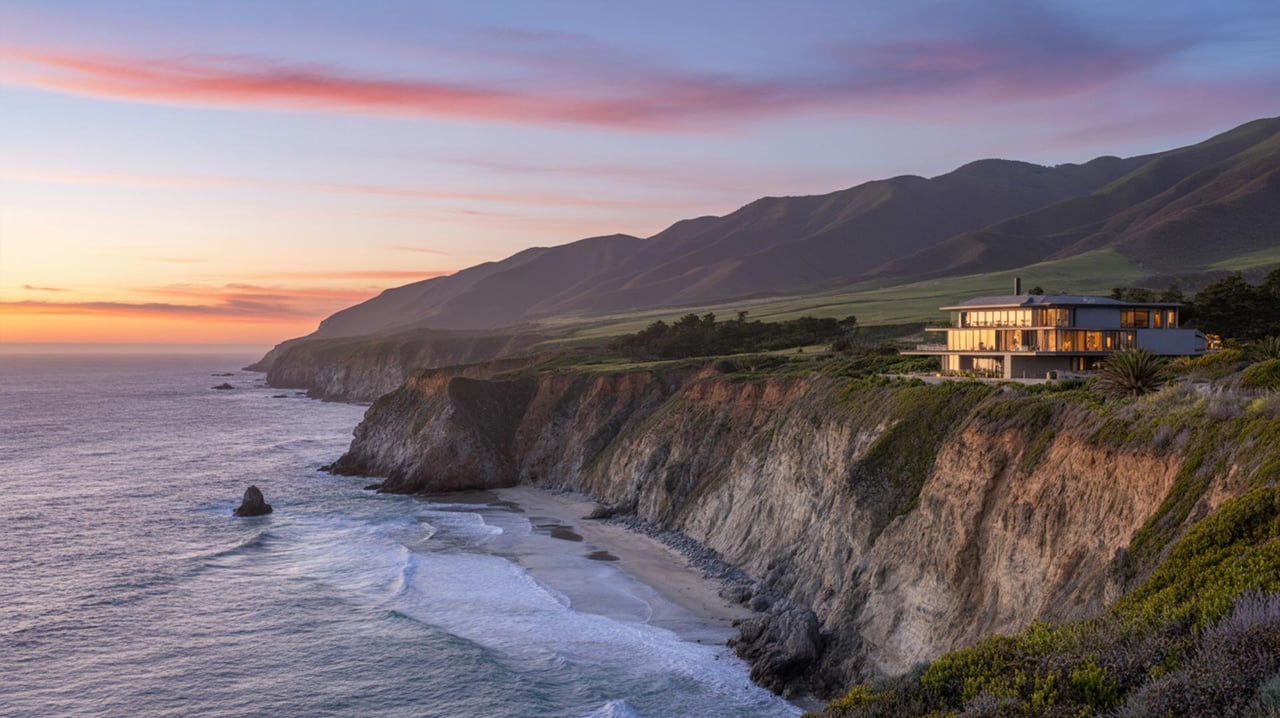
What You Need to Know About the Big Sur Real Estate Market

Real Estate

What You Need to Know About the Big Sur Real Estate Market

Insights and Tips for Navigating the Big Sur Real Estate Scene

Read Post

Recent Blog Post

01
02
03
04
05
06
07
08
09
010
011
012
013
014
015
016
017
018
019
020
021
022
023
024
025
026
027
028
029
030

View All

Follow Us