Leave a Message

By providing your contact information to La Tierra, your personal information will be processed in accordance with La Tierra's Privacy Policy. By checking the box(es) below, you consent to receive communications regarding your real estate inquiries and related marketing and promotional updates in the manner selected by you. For SMS text messages, message frequency varies. Message and data rates may apply. You may opt out of receiving further communications from La Tierra at any time. To opt out of receiving SMS text messages, reply STOP to unsubscribe.

Thank you for your message. We will be in touch with you shortly.

Blog

How To Evaluate a Legacy Parcel in Pebble Beach

Is a rare, family-held lot in Pebble Beach calling your name, yet the unknowns feel bigger than the view? You are right to pause. Legacy parcels can be exceptional opportunities, but they also come with older records, unique restrictions, and coastal rules that are different from a typical lot. In this guide, you will learn what to check first, which agencies matter, and how to frame cost, timeline, and risk so you move forward with confidence. Let’s dive in.

What makes a legacy parcel

A legacy parcel is an older lot that has changed hands rarely, often held by the same family for years. These parcels may predate current codes or have historic lot lines and private covenants. In Pebble Beach, that often means overlapping public rules and private architectural expectations. The result can be a valuable asset that rewards careful due diligence.

Start with the records

Begin with documents before design. Order a preliminary title report to surface liens, easements, and restrictions. Pull the current deed, any recorded CC&Rs, and parcel or subdivision maps from the Monterey County Recorder and Assessor. If the lot description is older metes and bounds, plan for a boundary or ALTA survey to confirm corners and potential encroachments.

Look for easements that affect building envelopes, such as utility, access, drainage, or view corridors. Note any private covenants or architectural controls that limit materials, height, or tree removal. If ownership sits within a trust or estate, confirm authority and any probate constraints early.

Zoning and coastal rules

Pebble Beach lies in unincorporated Monterey County within the Del Monte Forest. Much of the area is inside California’s Coastal Zone, so development must follow the California Coastal Act and the County’s certified Local Coastal Program. Many projects require a Coastal Development Permit, and some can be appealed for additional review.

Confirm the zoning designation with Monterey County Planning and Building Inspection. A legacy lot can be legal nonconforming for size or setbacks and still be buildable. Ask what actions would trigger a variance or loss of nonconforming status. Also check overlay districts, including coastal, scenic, tree protection, and geologic hazard zones.

Survey and boundaries

Do not rely on fences or informal drives. Commission an ALTA or boundary survey and a topographic survey. These will verify lot lines, identify potential encroachments, and inform site planning and drainage. If prior owners informally shifted a driveway or consolidated areas with a neighbor, your survey and title review will clarify the true legal picture.

For parcels created by deed rather than by a recorded map, ask your surveyor and title officer to confirm map status and any past lot line adjustments. Clear documentation now will save time at permitting and during lender underwriting.

Site and environmental factors

Topography and soils in the Del Monte Forest vary widely. Steep slopes, coastal bluffs, and shallow bedrock are common factors that drive foundation choices and cost. Plan for a geotechnical investigation to address slope stability, bearing capacity, and potential liquefaction.

Coastal hazards such as bluff erosion and sea level rise require careful siting for waterfront or near-bluff parcels. Inland, dense Monterey pine and cypress stands may trigger tree protection rules and seasonal work windows. Biological resources, wetlands, and migratory bird nesting can shape timing and scope of work.

Wildfire risk is another layer. Review CalFire Fire Hazard Severity Zones and understand defensible space and ignition resistance requirements. Drainage and erosion control are also critical, especially on coastal or steep sites, and will be part of County review.

Utilities, water, and access

Confirm water and sewer status early. Determine if the parcel is served by a local district such as the Pebble Beach Community Services District, or if septic is required. If septic is likely, Monterey County Environmental Health will review feasibility. High groundwater, small lots, or steep terrain can limit options.

Document the location and capacity of electric, gas, and telecom. Some areas have underground service while others may need new extensions. Road access, gate controls, and staging limits can affect construction logistics and budget. Verify who maintains the road and whether there are private restrictions on heavy equipment or work hours.

Fire protection matters for design and approvals. Confirm hydrant spacing, water pressure, and proximity to fire services. These influence fire flow requirements and can drive off-site upgrades or added cost.

Permits, process, timeline

Expect a staged path from research to approvals. Start with title, zoning, and surveys. Commission site studies such as geotechnical, arborist, and biological reports. If private architectural review applies, coordinate early with that body while your design evolves.

Submit to Monterey County for required permits. This often includes grading and building permits and, in the Coastal Zone, a Coastal Development Permit. Projects may undergo environmental review under CEQA. Straightforward projects with complete utilities can move faster. Complex bluff-front or habitat-adjacent homes often require a year or more of studies and entitlements before construction.

Appeals, coastal hazards analysis, and mitigation conditions can extend timelines. Set expectations with your design and engineering team so permit sequencing, studies, and public noticing are coordinated.

Costs and budget drivers

Legacy parcels can command a premium due to location and rarity. The cost story, however, is driven by conditions on the ground and the permits required. Plan for soft costs such as surveys, geotechnical and biological reports, arborist work, and permit fees. In sensitive areas, specialized studies like coastal hazards or wetlands delineation may be required.

Hard costs can scale with grading, retaining walls, and engineered foundations. Tree preservation and mitigation, drainage improvements, and off-site utility work are common adds. Construction logistics in Pebble Beach, including gated access and limited staging, can increase labor and delivery costs. Lenders and insurers may also look closely at coastal and wildfire risk, which affects financing and long-term ownership costs.

Red flags to avoid

Watch for conditions that can halt or materially change your plans:

  • No recorded legal access or ambiguous ingress and egress.
  • Utility non-availability with no feasible route or budget to connect.
  • Unresolvable geotechnical issues such as active landslides.
  • Inability to obtain required County or Coastal approvals.
  • CC&Rs or private restrictions that conflict with intended use.
  • Unreleased liens or significant title defects, including complicated estate issues.
  • Historic unpermitted grading or structures that trigger enforcement or costly mitigation.

Your due diligence team

Local experience is essential in Pebble Beach. Consider engaging:

  • Real estate attorney for title, CC&Rs, and estate issues.
  • Title company and escrow officer familiar with Monterey County.
  • Land-use planner or land-use attorney for coastal and County processes.
  • Civil engineer and land surveyor for ALTA and topographic work.
  • Geotechnical engineer for soils and slope stability.
  • Arborist and biological consultant for tree and habitat constraints.
  • Architect experienced with coastal design and any private review.
  • Local real estate agent with Del Monte Forest expertise.
  • Lender familiar with vacant coastal lots.

Quick step-by-step checklist

Use this sequence to move efficiently from curiosity to clarity:

  1. Order a preliminary title report and collect the current deed, CC&Rs, and any recorded maps.
  2. Confirm zoning, Coastal Zone status, and overlays with Monterey County Planning and Building Inspection.
  3. Commission an ALTA or boundary survey and a topographic survey.
  4. Engage a civil engineer or land planner for a feasibility sketch, including driveway access and a potential building area.
  5. Schedule a geotechnical investigation, especially for bluff-front or steep terrain.
  6. Obtain an arborist report and biological assessment if native trees or sensitive habitat may be present.
  7. Verify water and sewer connection or septic feasibility with the appropriate agencies.
  8. Check wildfire requirements, defensible space, and fire flow availability.
  9. Confirm any private architectural review steps and timelines.
  10. Build a realistic soft-cost and mitigation budget before you bid or close.

Bluff vs forested lots

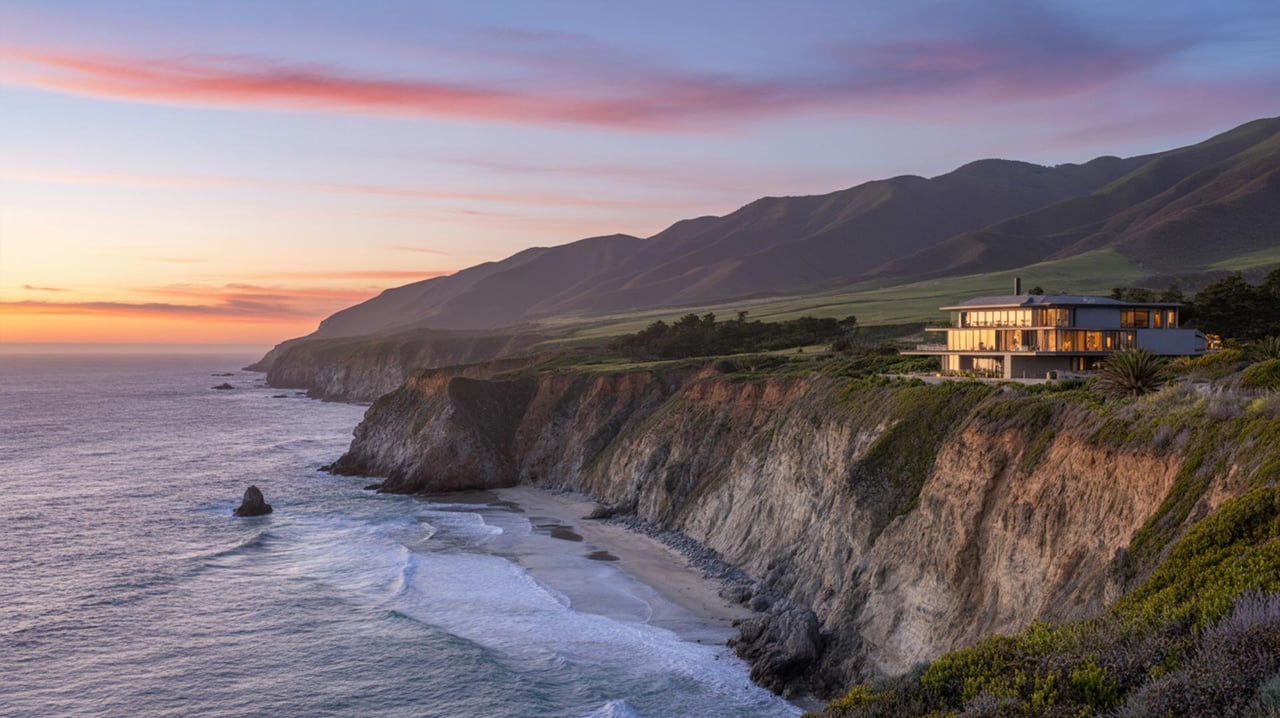
Bluff-front parcels face coastal hazards such as erosion, wave runup, and sea level rise. Expect coastal setbacks, hazard studies, and careful siting. Foundations and shoreline proximity often drive cost and timeline.

Forested inland lots offer privacy and canopy, with tree protection and biological considerations at the forefront. Driveway grades, root zones, fuel management, and seasonal restrictions can shape design and sequencing. Both settings reward early studies and a conservative timeline.

Wrap up and next steps

A legacy parcel in Pebble Beach can be a once-in-a-generation opportunity. The key is a document-first approach, targeted site studies, and a team that understands Monterey County and the Coastal Zone. When you align the records, the science, and the approvals, you reduce risk and preserve value.

If you are weighing a purchase, sale, or build, connect with a local advisor who blends land stewardship with technical clarity. For a discreet conversation about feasibility, design paths, and market strategy, reach out to La Tierra. We help you move from possibilities to a clear plan.

FAQs

What is a legacy parcel in Pebble Beach?

  • An older lot that has changed hands infrequently and may predate current codes, often with historic lot lines, private covenants, and nonstandard conditions that require extra due diligence.

How does Coastal Zone status affect permitting?

  • Many projects require a Coastal Development Permit and must follow the County’s Local Coastal Program, which can add studies, conditions, and time compared to inland parcels.

Can a substandard-size lot still be buildable?

  • Yes, some legacy lots are legal nonconforming and can be buildable, but you must confirm what changes could trigger variances or affect that status with Monterey County.

Who enforces design or architectural rules locally?

  • Public agencies handle permits, while private bodies such as the Pebble Beach Company or community review boards may oversee architectural guidelines under recorded CC&Rs.

How do I verify legal access to an older parcel?

  • Confirm a recorded access easement or road dedication in the title report and verify alignment on your survey. Avoid relying on informal drives without recorded rights.

What reports do lenders often require before construction?

  • Lenders may expect a preliminary title report, ALTA or boundary survey, geotechnical report, and evidence of utility availability, with additional studies based on site sensitivity.

What costs should I plan for beyond the purchase price?

  • Budget for surveys, geotechnical and biological studies, arborist work, permit and impact fees, potential off-site utility upgrades, drainage improvements, and construction logistics.

Recent Blog Post

Architecture Styles That Define Carmel‑by‑the‑Sea

Architecture Styles That Define Carmel‑by‑the‑Sea

Read Post

Big Sur Living: Access, Services and Daily Realities

Big Sur Living: Access, Services and Daily Realities

Read Post

Dorrance Legacy

Dorrance Legacy

The Dorrance Family Ranch rambles over 4,000 acres along the flank of 3,560-foot Mt. Toro.

Read Post

Condo vs. House for a Monterey Second Home

Condo vs. House for a Monterey Second Home

Read Post

Choosing the Right Homesite at Santa Lucia Preserve

Choosing the Right Homesite at Santa Lucia Preserve

Read Post
How To Evaluate a Legacy Parcel in Pebble Beach

How To Evaluate a Legacy Parcel in Pebble Beach

Read Post

Car‑Light Living In Monterey Using The Coastal Trail

Car‑Light Living In Monterey Using The Coastal Trail

Read Post

Carmel Valley vs. Carmel‑by‑the‑Sea: Which Fits You?

Carmel Valley vs. Carmel‑by‑the‑Sea: Which Fits You?

Read Post

Smart Home Upgrades Every Carmel-by-the-Sea Homeowner Needs

Real Estate

Smart Home Upgrades Every Carmel-by-the-Sea Homeowner Needs

Essential Smart Home Upgrades for Carmel-by-the-Sea Residents

Read Post

Big Sur Coastal Development Permit: A Beginner’s Guide

Big Sur Coastal Development Permit: A Beginner’s Guide

Read Post

What “Off‑Market” Really Means in Monterey

What “Off‑Market” Really Means in Monterey

Read Post

Conservation Easements in Carmel Valley: The Basics

Conservation Easements in Carmel Valley: The Basics

Read Post

Choosing the Best Neighborhood in Carmel-by-the-Sea

Real Estate

Choosing the Best Neighborhood in Carmel-by-the-Sea

Discover Top Tips for Finding Your Ideal Community in Carmel-by-the-Sea

Read Post

Building Envelopes at Santa Lucia Preserve Explained

Building Envelopes at Santa Lucia Preserve Explained

Read Post

Architecture Maryann Schicketanz

Architecture Maryann Schicketanz

The balance between the natural and the built environment is the chief theme that architects confront in practicing their ...

Read Post

New To Monterey? Utilities, Permits And Services Setup

New To Monterey? Utilities, Permits And Services Setup

Read Post
Coastal Drainage And Erosion Tips For Monterey Lots

Coastal Drainage And Erosion Tips For Monterey Lots

Read Post

Top Outdoor Activities to Experience in Carmel Valley, CA

Lifestyle

Top Outdoor Activities to Experience in Carmel Valley, CA

Discover the Best Ways to Enjoy Nature in Carmel Valley

Read Post

Interview - The Beginnings

Interview - The Beginnings

Preserve interviewed Tom and Dave for a discussion of their original vision, the process of seeing it through.

Read Post

How to Build Home Equity Faster in Pebble Beach, CA

Real Estate

How to Build Home Equity Faster in Pebble Beach, CA

Strategies to Boost Your Property's Value in Pebble Beach

Read Post

Unexpected Low-Cost Upgrades With the Highest ROI

Real Estate

Unexpected Low-Cost Upgrades With the Highest ROI

Maximize Your Home's Value in [City Name] Without Breaking the Bank

Read Post

Essential Smart Home Upgrades for Carmel-by-the-Sea Homeowners

Real Estate

Essential Smart Home Upgrades for Carmel-by-the-Sea Homeowners

Practical Smart Home Upgrades to Boost Comfort, Security, and Energy Efficiency for Carmel-by-the-Sea Homeowners

Read Post

Key Questions to Ask During an Open House in Monterey, CA

Real Estate

Key Questions to Ask During an Open House in Monterey, CA

Essential Considerations for Homebuyers in Monterey

Read Post

Home Design Trends in Carmel Valley, CA

Real Estate

Home Design Trends in Carmel Valley, CA

Exploring the Latest Innovations and Styles in Carmel Valley Home Design

Read Post

Staging Tips for a Quick Sale in Pebble Beach, CA

Real Estate

Staging Tips for a Quick Sale in Pebble Beach, CA

Essential Home Staging Strategies to Attract Buyers in Pebble Beach

Read Post

Your Guide to Buying a Home in Pebble Beach, CA

Real Estate

Your Guide to Buying a Home in Pebble Beach, CA

Discover Essential Tips and Insights for Home Buyers in Pebble Beach

Read Post

What You Need to Know About the Big Sur Real Estate Market

Real Estate

What You Need to Know About the Big Sur Real Estate Market

Insights and Tips for Navigating the Big Sur Real Estate Scene

Read Post

Exploring Backcountry - Alan Drew

Exploring Backcountry - Alan Drew

In any season, adventure is only a few steps away, but each season presents different advantages.

Read Post

Chef Daniella Ramos Recipes

Chef Daniella Ramos Recipes

Discover Flavorful Dishes, Cooking Tips, and Culinary Inspiration from Chef Daniella Ramos’ Kitchen.

Read Post

Meditations

Meditations

There may be no better way to appreciate the topography of Santa Lucia Preserve than from the seat of a bicycle.

Read Post

Monterey Jazz at The Hacienda

Monterey Jazz at The Hacienda

Jazz at The Hacienda was the brainchild of Preserve residents Howard and Roz Fisher.

Read Post

Mushroom Hunt - Michelle Magdalena

Mushroom Hunt - Michelle Magdalena

Rain sets the conditions for these underground networks of threadlike filaments that give rise to mushrooms.

Read Post

The Pastoral Preserve - David Ligare

The Pastoral Preserve - David Ligare

The beauty of the setting provides the possibility for a rich renewal of spirit and a deepened love and respect for the la...

Read Post

The Value of Play - Patrice Vecchione

The Value of Play - Patrice Vecchione

Like certain other work, writing a book, especially with only three months in which to do so, is an intense, demanding pro...

Read Post

Preserve Magazine Schicketanz Article - Proposed Images

Preserve Magazine Schicketanz Article - Proposed Images

Exploring Schicketanz’s Design Philosophy with Captivating Views of Carmel and Point Lobos.

Read Post

Sign Language

Sign Language

A Visual Journey into the Expressive World of Sign Language, Captured in Magdalena 2019.

Read Post

Recent Blog Post

01
02
03
04
05
06
07
08
09
010
011
012
013
014
015
016
017
018
019
020
021
022
023
024
025
026
027
028
029
030
031
032
033
034
035
036

View All

Follow Us