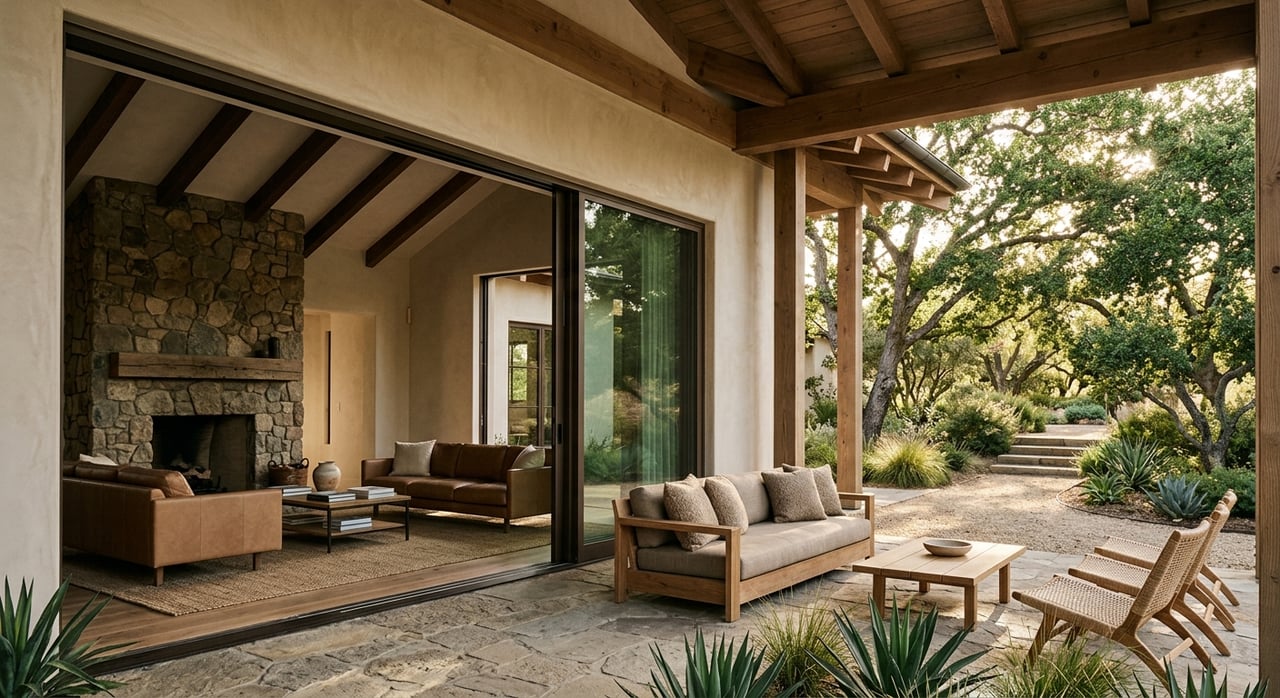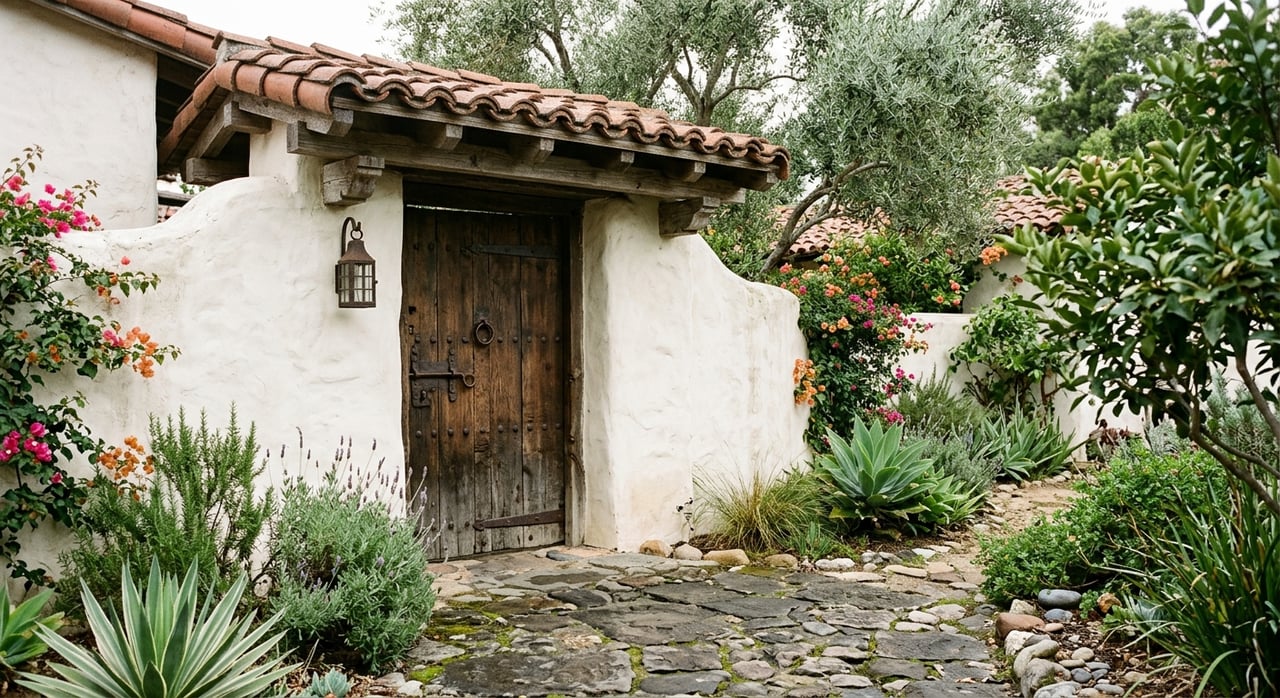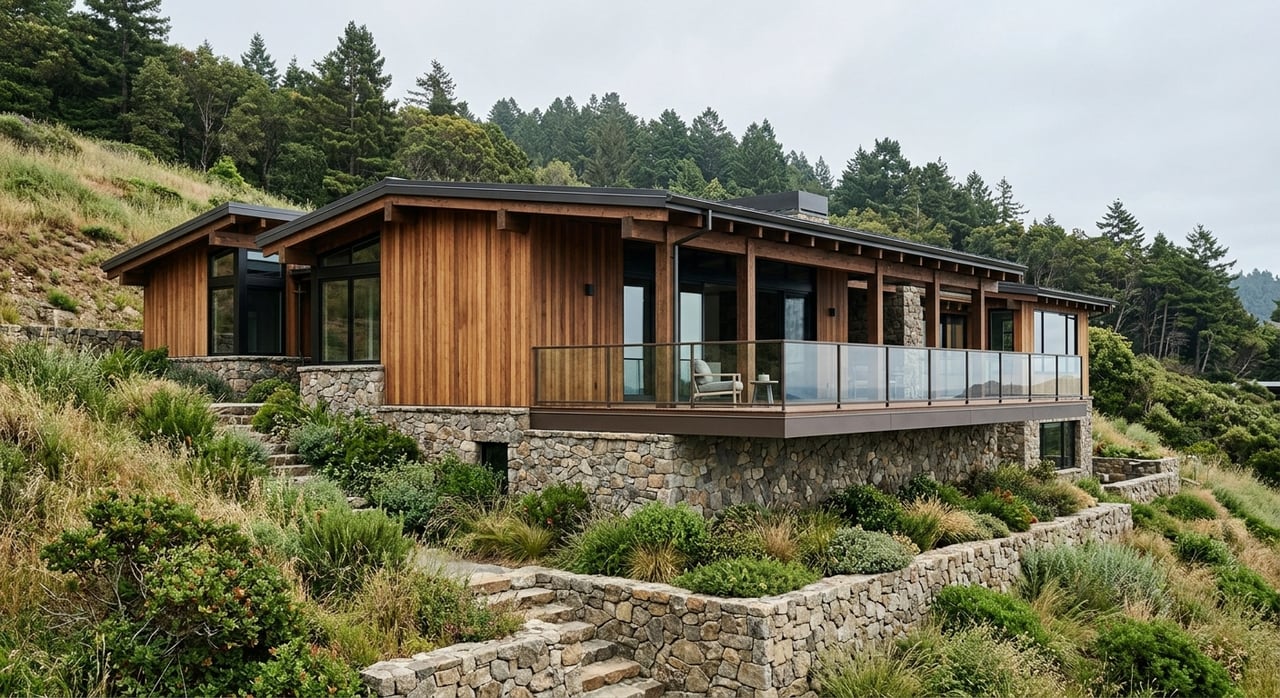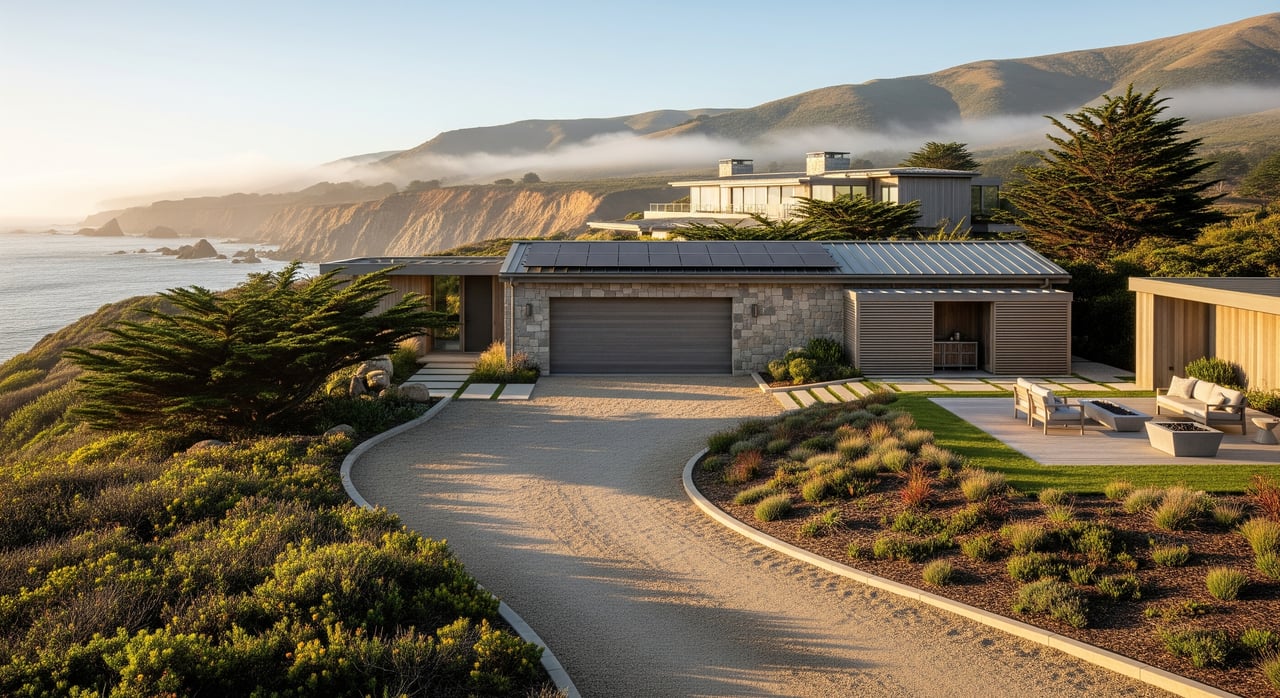
If you are considering a homesite inside Santa Lucia Preserve, one term will shape almost every decision you make: the building envelope. Many buyers and sellers know it exists, but not what it controls, how it affects design, or how it ties into approvals with the Preserve and Monterey County. You should understand it early, because it influences costs, timing, and long-term value. In this guide, you will learn what a building envelope is, how it works at the Preserve, what to review before you buy or sell, and the steps from offer to permits. Let’s dive in.
What a building envelope is
A building envelope is the legally defined area of a lot where you are permitted to build. It is also called a buildable area. The envelope protects surrounding open space, sensitive habitat, and scenic views, while giving you a clear place to design your home and related improvements.
Inside most envelopes you plan for:
- The main residence and accessory structures
- Driveways, garages, courtyards, and patios
- Septic systems and leach fields, subject to health requirements
- Grading, drainage features, and some landscape work
You can also expect limits tied to setbacks from ridgelines, streams, wetlands, steep slopes, and cultural resources. Exterior materials, rooflines, lighting, and vegetation management often have design rules so the home fits the natural setting and meets fire-safety standards.
Why envelopes matter to you
The envelope determines where you can place your home, what the footprint can look like, and how your site functions. That affects:
- Design options and architectural complexity
- Construction feasibility and cost
- The path, timing, and likelihood of approvals
- Resale value and buyer confidence
Moving or enlarging an envelope is usually difficult and sometimes not allowed. Envelopes often reflect conservation easement conditions and recorded restrictions, so changes can require multiple approvals and new environmental reviews.
How envelopes work at Santa Lucia Preserve
Santa Lucia Preserve balances private residential use with long-term conservation. Envelopes sit at the center of that balance.
- The envelope location comes from studies done during parcel planning. These include biological and habitat analyses, cultural and archaeological reviews, visual and hydrological assessments, geotechnical work, and fire-safety considerations.
- The envelope is recorded on the lot map and may be referenced in Covenants, Conditions and Restrictions or Land Use Policy. It is part of the legal framework that guides use on each parcel.
- Design rules within the Preserve guide materials, colors, rooflines, lighting, and landscape to protect scenic quality and ecological integrity.
In practice, your design team fits the home into the envelope while honoring setbacks, access, drainage, defensible space, and utility needs. The goal is to respect the land and meet both Preserve and county standards.
What you can do inside the envelope
Within the envelope, you typically plan and permit the following, subject to review and code:
- Main home and guest facilities
- Driveways, parking, and emergency access features
- Septic, leach fields, and wells where applicable, meeting environmental health setbacks
- Grading, retaining, and drainage improvements that protect water quality
- Planting and vegetation management to meet defensible-space requirements
- Outdoor living spaces that fit visibility and lighting rules
Activities outside the envelope are often limited to conservation and stewardship. Always verify recorded documents to understand what is allowed on your specific lot.
Can you move or enlarge an envelope?
Expect a high bar for changes. Because envelopes implement conservation and recorded restrictions, any relocation or enlargement usually requires several approvals. These can include Preserve committees, the conservation easement holder, and Monterey County. New environmental studies may be required. Minor adjustments might be considered through administrative or design-review processes, but they still receive careful scrutiny. Plan as if the envelope is fixed.
The approval framework in brief
You work within several layers of authority:
- Private Preserve governance. Land-use policies, CC&Rs, and architectural design review apply to all owners inside the community.
- Conservation easement holder. The easement restricts land disturbance and protects open space; the easement holder may review and enforce compliance.
- Monterey County approvals. County permits cover grading, building, septic and well permits, and any discretionary review. California Environmental Quality Act procedures may apply, depending on the project.
- State codes. California Building Standards and fire-safety statutes apply, including defensible space standards implemented by local fire agencies.
A typical path includes verifying the recorded envelope, meeting with Preserve planning staff, completing any required surveys, designing within the envelope, securing Preserve design approval, then submitting county permit applications. Final inspections and occupancy approvals follow construction.
What buyers should review before you commit
Ask for a complete, parcel-specific packet. Key items include:
- Recorded lot map with the building envelope clearly shown
- CC&Rs, Preserve Land Use Policy, design guidelines, and any prior Architectural Review Committee decisions
- Any prior permits, approvals, or amendments that affect siting
- Recent surveys and technical reports: biological, cultural, geotechnical, hydrology, and topographic
- Septic and well feasibility documentation from qualified professionals
- The conservation easement instrument and any guidance from the easement holder
- Compliance history and any notices of violation
This documentation shows you where you can build, what studies have been completed, and where risk remains.
Sellers: how to prepare your lot
If you are selling a homesite, you can increase buyer confidence by organizing a clear, authoritative file. Include:
- The recorded envelope map, CC&Rs, and design guidelines
- Any prior approvals, site plans, or feasibility studies
- Available biological, cultural, and geotechnical reports
- Septic and water feasibility or as-built documentation, if applicable
- A summary of Preserve design-review procedures and current fee schedules
A transparent packet reduces friction in escrow and helps buyers estimate design and permitting timelines.
Timeline and cost factors you should expect
Building inside the Preserve often involves front-loaded studies and approvals. Plan for:
- Design constraints. Envelopes can require creative solutions like smaller footprints, split levels, or limited grading.
- Added studies and mitigation. Budget for biological, cultural, and geotechnical work as well as measures like tree protection and stormwater control.
- Permitting time. Pre-construction steps can add months. Complex projects with discretionary review and easement signoffs may take many months to a year or more before construction starts.
- Fire-safety and access costs. Defensible-space vegetation management and access improvements can be significant line items.
Clear planning with an experienced team helps keep the schedule predictable.
Common pitfalls to avoid
- Relying on informal assurances without verifying recorded documents
- Assuming the envelope can be shifted or enlarged without a formal process
- Overlooking septic and well feasibility inside the envelope
- Underestimating costs for fire-protection and emergency access
- Missing cultural or biological constraints that trigger mandatory surveys or mitigation
A disciplined due-diligence phase protects you from costly surprises later.
From offer to permits: a step-by-step checklist
Use this checklist to structure your process.
Immediately after offer or prior to escrow
- Obtain and review the recorded envelope map, CC&Rs, the conservation easement, and any prior approvals or amendments
- Request a pre-application summary from Preserve planning staff describing known constraints for the lot
During escrow due diligence
- Commission or review geotechnical, biological, cultural, and topographic surveys
- Get a preliminary septic and well feasibility assessment from county environmental health or a qualified engineer
- Engage an architect familiar with Preserve design guidelines to study siting within the envelope
Pre-permit and design phase
- Hold pre-application and design-review meetings with Preserve planning staff
- Prepare required plans, including biological mitigation, stormwater control, tree protection, and fuel-reduction strategies
- Submit for Preserve design approval, then file county permit applications as needed
Permitting and construction
- Secure all final approvals and any easement-holder signoffs before ground disturbance
- Implement approved mitigation measures and monitoring during construction
- Complete inspections for occupancy approvals
How to think about value
A well-sited envelope with clear studies and current approvals can be a major selling point. Buyers gain confidence when the build path is documented and predictable. On the other hand, a lot with a constrained envelope, unclear septic feasibility, or unresolved reviews can face discounts or longer marketing times. Investing in clarity often returns value at resale.
Building your team
You benefit from advisors who understand the Preserve’s culture and its layered approvals. An architect and civil engineer with local experience, a geotechnical consultant, and a builder who respects conservation protocols make a noticeable difference. Early, direct coordination with Preserve planning staff and Monterey County reduces rework and keeps momentum.
Ready to walk a lot, confirm the building envelope, and outline a clear path from idea to permits? Book a Tour with Unknown Company and get grounded, practical guidance tailored to Santa Lucia Preserve.
FAQs
What is a building envelope at Santa Lucia Preserve?
- It is the legally defined area on a lot where you can build, established to protect open space, habitat, and scenic quality while guiding home placement.
Can you move or enlarge your envelope inside the Preserve?
- Significant changes are usually difficult and may require approvals from Preserve committees, the easement holder, and Monterey County, along with new studies.
What can you build outside the envelope on a Preserve lot?
- Activities outside are typically limited to conservation and stewardship uses, so plan to site homes, access, and utilities within the envelope unless documents state otherwise.
How long do approvals usually take for a new home?
- Expect several months for design review, studies, and county permitting; complex projects can take many months to a year or more before construction begins.
How do septic and wells affect home siting within the envelope?
- Setbacks and feasibility requirements for septic and wells can shape house placement, so you should verify environmental health criteria early.
Who reviews and approves your design at the Preserve?
- Preserve design review addresses architecture and siting, the conservation easement holder may review land disturbance, and Monterey County permits cover grading and building.
What should a buyer request during due diligence on a Preserve lot?
- Ask for the recorded envelope map, CC&Rs, design guidelines, prior approvals, technical studies, septic and water feasibility, and the conservation easement instrument.