Leave a Message

By providing your contact information to La Tierra, your personal information will be processed in accordance with La Tierra's Privacy Policy. By checking the box(es) below, you consent to receive communications regarding your real estate inquiries and related marketing and promotional updates in the manner selected by you. For SMS text messages, message frequency varies. Message and data rates may apply. You may opt out of receiving further communications from La Tierra at any time. To opt out of receiving SMS text messages, reply STOP to unsubscribe.

Thank you for your message. We will be in touch with you shortly.

Blog

Equestrian Living In Carmel Valley

Dreaming of mornings in the saddle, golden hills, and quiet trails right out your gate? If you love horses and the California ranch lifestyle, Carmel Valley gives you a warm, sunny setting with practical advantages for daily riding. You also face a few important decisions about zoning, water, barns and wildfire readiness. Here’s how to think clearly about equestrian living here, what features you’ll actually find, and the steps to take before you buy. Let’s dive in.

Why Carmel Valley fits an equestrian life

Carmel Valley’s inland microclimate brings mild, dry summers and cool, wetter winters. Average summer highs sit in the upper 70s, and annual rainfall is modest, which supports year‑round turnout and trail riding with thoughtful forage planning. You can see the pattern in the local Carmel Valley climate normals.

The landscape is a mix of valley floors and oak‑studded hills with a long ranching tradition. That history is why you still see ranch parcels, small barns, and private trail connections throughout the corridor. For you, that translates to real opportunities to pair a primary or seasonal home with a couple of horses or a more robust private setup.

Zoning, permits and planning

Animal counts and zoning basics

Monterey County allows animal husbandry in many rural and residential zones, but limits vary by designation. A commonly cited rule in county language is one horse, mule or cow per 20,000 square feet in several residential districts. The actual allowance depends on the parcel’s zoning map. Always confirm the specific parcel’s designation and permitted uses with county staff or code resources such as the Monterey County zoning ordinance excerpts.

Barns, arenas and grading approvals

Most enclosed barns or stables with structural elements require building permits and plan review. Leveling ground for an arena can trigger grading permits and stormwater controls, especially on hillside lots. County records and guidance highlight erosion control and revegetation as review items for grading work, so budget for those requirements. For context on county processes, see the Monterey County Legistar record.

Water and septic capacity

Many rural parcels rely on private wells and septic systems. Water and septic drive feasibility. Before you plan more stalls or caretaker space, verify well yield, storage, and septic capacity. Ask for well logs, prior permits, and any recent test results, then assess whether your intended use fits within those limits.

Commercial use considerations

If you plan to offer paid boarding, lessons or a program beyond incidental personal use, you will likely need a conditional use permit or other discretionary approvals. Rules vary by zone, so start with the parcel’s designation and the county’s use‑permit provisions in resources like the zoning ordinance excerpts.

Wildfire readiness and defensible space

Much of Carmel Valley sits in fire‑prone terrain. Confirm whether a property lies in a mapped Fire Hazard Severity Zone and what defensible‑space or home‑hardening requirements apply at sale. Local emergency pages link to Cal Fire maps and inspection programs; review them early using community preparedness resources.

What to expect in local horse properties

Acreage types and common setups

  • Small acreage, about 1–5 acres: a single‑family home, 1–3 stalls or a small barn, one or two paddocks, basic fencing. Great for pleasure riders with supplemental hay and modest turnout.
  • Mid acreage, about 5–20 acres: 3–8 stalls, cross‑fenced pastures, room for a round pen or a small outdoor arena, separate hay storage and a tack room. A sweet spot for private owner‑riders.
  • Large ranchettes, 20+ acres: long private trails, multiple paddocks, larger barns and potential hay production or agricultural pairings. Some parcels may sit within conservation frameworks that affect siting and improvements.

Barns, stalls and arena sizes

In smaller private barns, you often see 10×12 to 12×12 stalls for general use, with larger boxes for foaling or special needs. For a quick reference on safe sizing, review this stall design guidance.

Private outdoor arenas frequently run about 60×120 feet. If dressage is your focus, the standard 20m×60m (about 66×197 feet) becomes the benchmark for training and layout decisions. A helpful overview of dressage dimensions is here: dressage arena size standards. Remember that arena construction includes grading, drainage and footing choices, which can trigger permits and add cost on sloped ground.

Fencing and support features

Expect post‑and‑rail, pipe, or pipe‑and‑wire fencing, often with cross‑fenced paddocks and a sacrifice or dry lot for winter. Supporting features in listings commonly include tack rooms, hay storage, wash racks, run‑in shelters and sometimes a caretaker’s unit on larger parcels.

Riding access and the equestrian community

Public trail systems

Trail riding is a major draw. Garland Ranch Regional Park offers miles of multi‑use trails and equestrian access, with designated parking at certain trailheads. Riders also explore nearby open spaces like Palo Corona. You can get a feel for routes and access points from local trail write‑ups such as this overview of Garland Ranch equestrian access and trails.

Private centers and programs

The Santa Lucia Preserve is well known for extensive groomed trails, on‑site stabling and a full equestrian program, often cited in lifestyle features highlighting top facilities. For a taste of its reputation, see this note on equestrian amenities at the Santa Lucia Preserve. Beyond the Preserve, several private ranches and stables in Carmel Valley offer boarding or lessons, which can support your horses while you design or improve your own setup.

Buyer checklist for horse properties

Use this as a quick, early‑stage screen when a property catches your eye:

  • Zoning and animal density: confirm the parcel’s zoning map designation and the number of horses allowed without discretionary permits. Do not assume a single rule applies everywhere.
  • Improvements and permits: verify past permits for barns, shelters and arenas. Unpermitted structures are common in rural settings and can affect insurance and resale.
  • Grading and drainage: ask whether arena pads or drive extensions will trigger grading and erosion control plans. Factor in timing and cost.
  • Water source: request well logs, production tests and storage details, or confirm water district service and irrigation rights, if any.
  • Septic capacity: match current approvals to bedroom count and planned caretaker or guest use; assess whether upgrades would be required.
  • Fire zone and defensible space: confirm Fire Hazard Severity Zone mapping and current defensible‑space compliance.
  • Pasture and stocking: many owners plan for supplemental hay and aim for about 1–2 acres per horse, depending on soil and management. See practical guidance on pasture and manure management.
  • Access and easements: map out trailheads, driveway grades for trailers, and any private trail easements or restrictions.
  • Local services: note proximity to large‑animal vets, farriers, feed and emergency transport.

Carmel Valley offers a rare blend of climate, scenery and access that makes daily riding feel effortless, but the best outcomes come from pairing lifestyle vision with technical diligence. If you want discreet, on‑the‑ground guidance on parcels, zoning paths and the nuances of Preserve living, connect with La Tierra. Book a Tour and let’s walk land, barns and trails together.

FAQs

Is Carmel Valley’s climate good for year‑round riding?

  • Yes. Mild, dry summers and cool, wetter winters support year‑round turnout and riding with seasonal hay planning for drier months.

How many horses can I keep on a Carmel Valley parcel?

  • It depends on zoning. A commonly cited rule is one horse per 20,000 square feet in several residential districts, but you must confirm the specific parcel’s zone and allowances.

Do I need permits to build a barn or arena?

  • Most enclosed barns require building permits. Arena grading can trigger permits and erosion control measures, especially on sloped sites.

Where can I ride off property in Carmel Valley?

  • Many riders use Garland Ranch Regional Park and other nearby open spaces with equestrian access. Private trail networks may be available within certain communities.

How much land per horse should I plan for?

  • A common planning range is about 1–2 acres per horse, adjusted for soil, forage productivity and management. Most owners still plan for supplemental hay.

Recent Blog Post

Understanding Membership And Amenities At Santa Lucia Preserve

Understanding Membership And Amenities At Santa Lucia Preserve

Read Post

Equestrian Living In Carmel Valley

Equestrian Living In Carmel Valley

Read Post

Preparing To Sell A Home In Santa Lucia Preserve

Preparing To Sell A Home In Santa Lucia Preserve

Read Post

Big Sur Coastal Development Permit: A Beginner’s Guide

Big Sur Coastal Development Permit: A Beginner’s Guide

Read Post

Building Envelopes at Santa Lucia Preserve Explained

Building Envelopes at Santa Lucia Preserve Explained

Read Post

Daily Life At Santa Lucia Preserve

Daily Life At Santa Lucia Preserve

Read Post
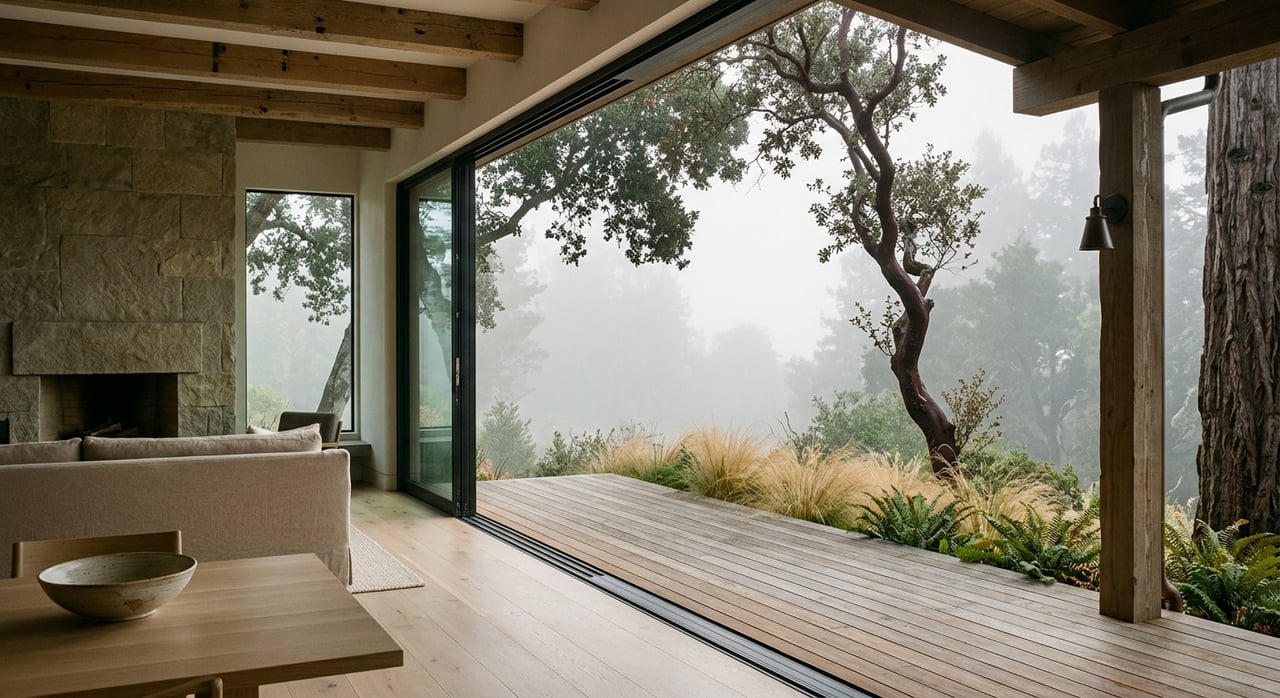
Carmel Valley vs. Carmel‑by‑the‑Sea: Which Fits You?

Carmel Valley vs. Carmel‑by‑the‑Sea: Which Fits You?

Read Post

Exploring Backcountry - Alan Drew

Exploring Backcountry - Alan Drew

In any season, adventure is only a few steps away, but each season presents different advantages.

Read Post

Scenic Easements In Big Sur Explained

Scenic Easements In Big Sur Explained

Read Post

Architecture Styles That Define Carmel‑by‑the‑Sea

Architecture Styles That Define Carmel‑by‑the‑Sea

Read Post

Big Sur Living: Access, Services and Daily Realities

Big Sur Living: Access, Services and Daily Realities

Read Post

Condo vs. House for a Monterey Second Home

Condo vs. House for a Monterey Second Home

Read Post

Choosing the Right Homesite at Santa Lucia Preserve

Choosing the Right Homesite at Santa Lucia Preserve

Read Post
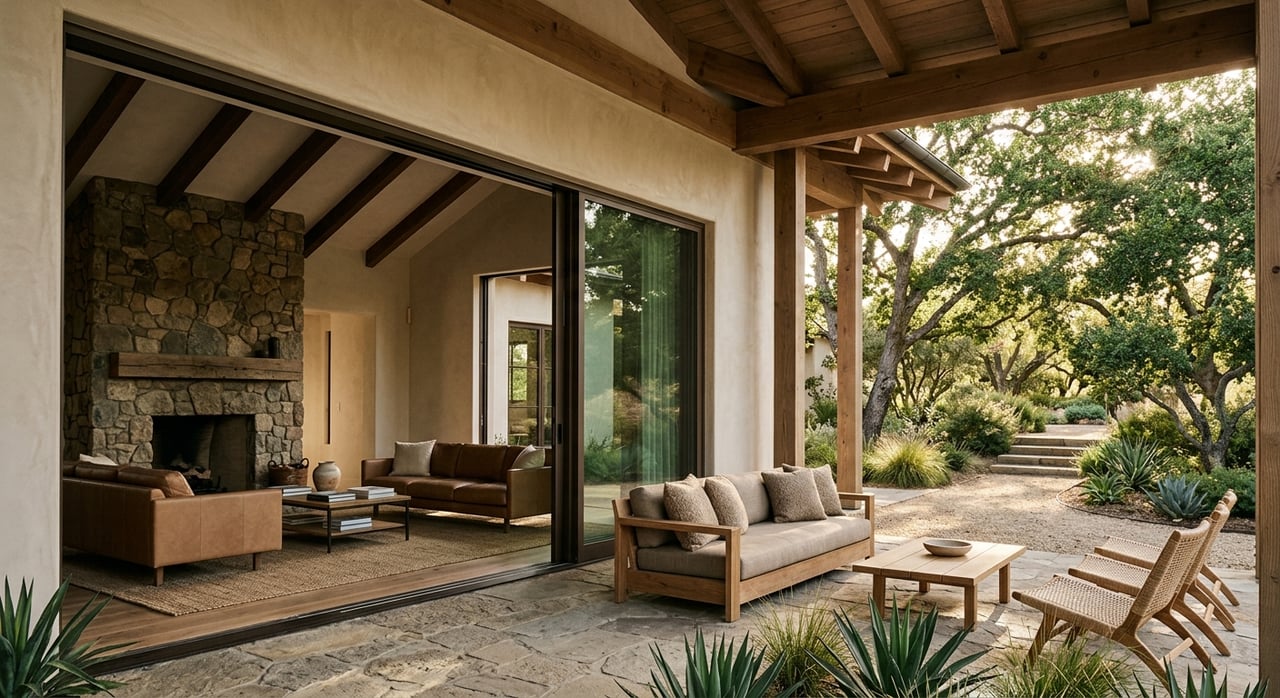
How To Evaluate a Legacy Parcel in Pebble Beach

How To Evaluate a Legacy Parcel in Pebble Beach

Read Post

Car‑Light Living In Monterey Using The Coastal Trail

Car‑Light Living In Monterey Using The Coastal Trail

Read Post

Smart Home Upgrades Every Carmel-by-the-Sea Homeowner Needs

Real Estate

Smart Home Upgrades Every Carmel-by-the-Sea Homeowner Needs

Essential Smart Home Upgrades for Carmel-by-the-Sea Residents

Read Post

What “Off‑Market” Really Means in Monterey

What “Off‑Market” Really Means in Monterey

Read Post

Conservation Easements in Carmel Valley: The Basics

Conservation Easements in Carmel Valley: The Basics

Read Post

Choosing the Best Neighborhood in Carmel-by-the-Sea

Real Estate

Choosing the Best Neighborhood in Carmel-by-the-Sea

Discover Top Tips for Finding Your Ideal Community in Carmel-by-the-Sea

Read Post

New To Monterey? Utilities, Permits And Services Setup

New To Monterey? Utilities, Permits And Services Setup

Read Post
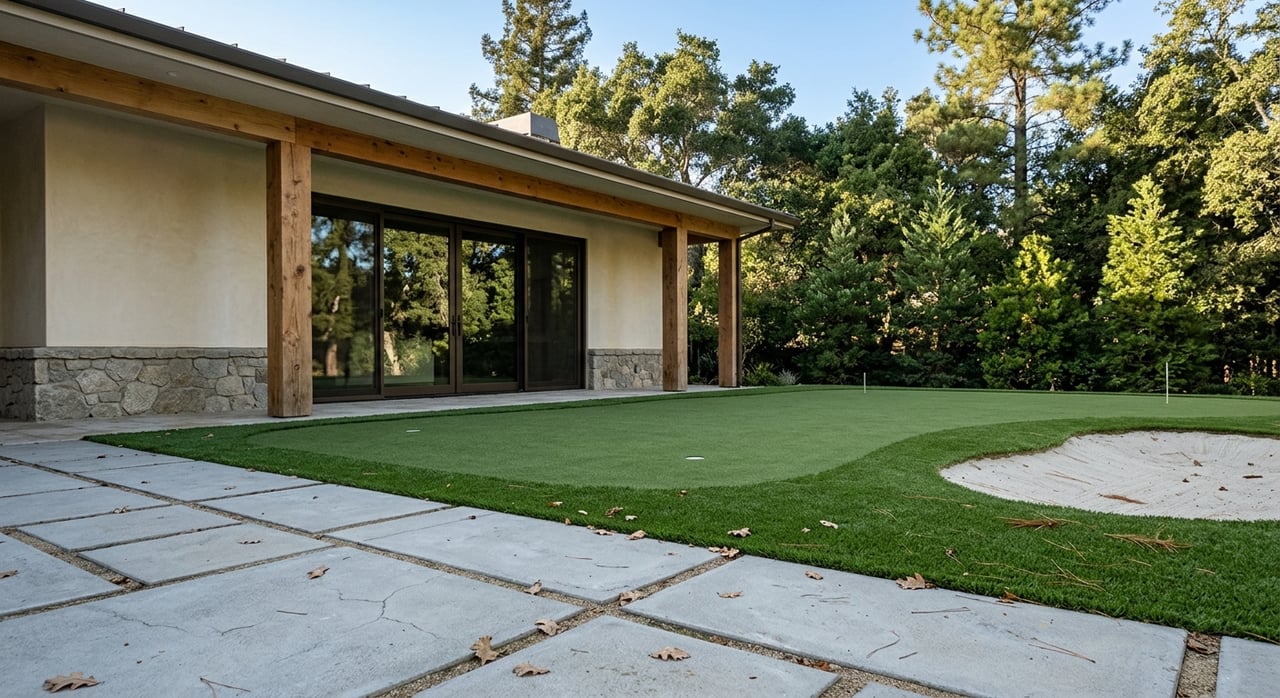
Coastal Drainage And Erosion Tips For Monterey Lots

Coastal Drainage And Erosion Tips For Monterey Lots

Read Post
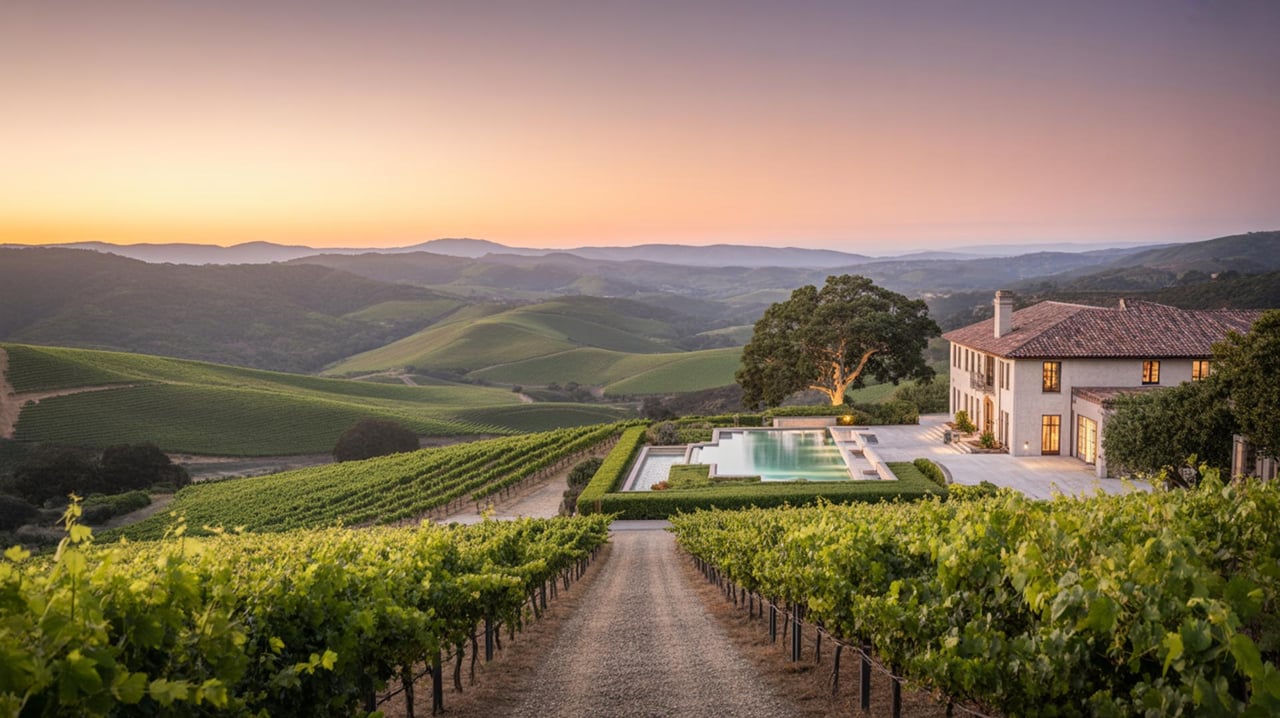
Top Outdoor Activities to Experience in Carmel Valley, CA

Lifestyle

Top Outdoor Activities to Experience in Carmel Valley, CA

Discover the Best Ways to Enjoy Nature in Carmel Valley

Read Post

How to Build Home Equity Faster in Pebble Beach, CA

Real Estate

How to Build Home Equity Faster in Pebble Beach, CA

Strategies to Boost Your Property's Value in Pebble Beach

Read Post
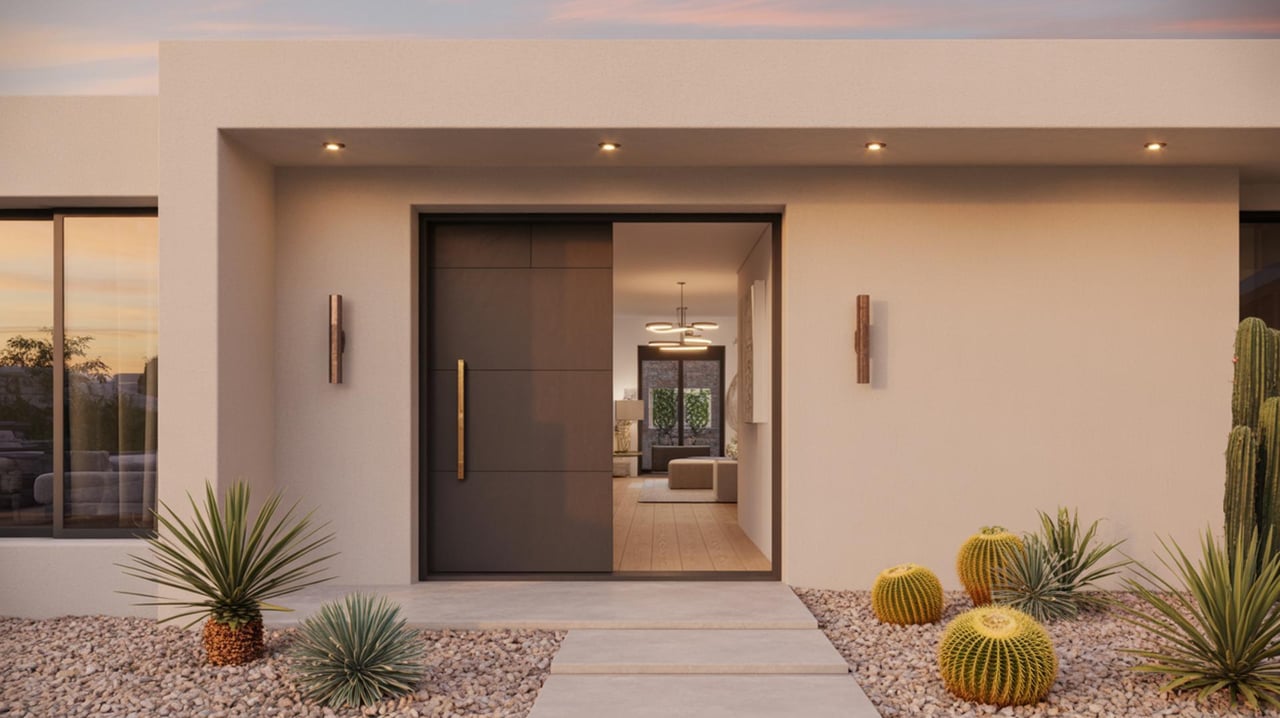
Unexpected Low-Cost Upgrades With the Highest ROI

Real Estate

Unexpected Low-Cost Upgrades With the Highest ROI

Maximize Your Home's Value in [City Name] Without Breaking the Bank

Read Post
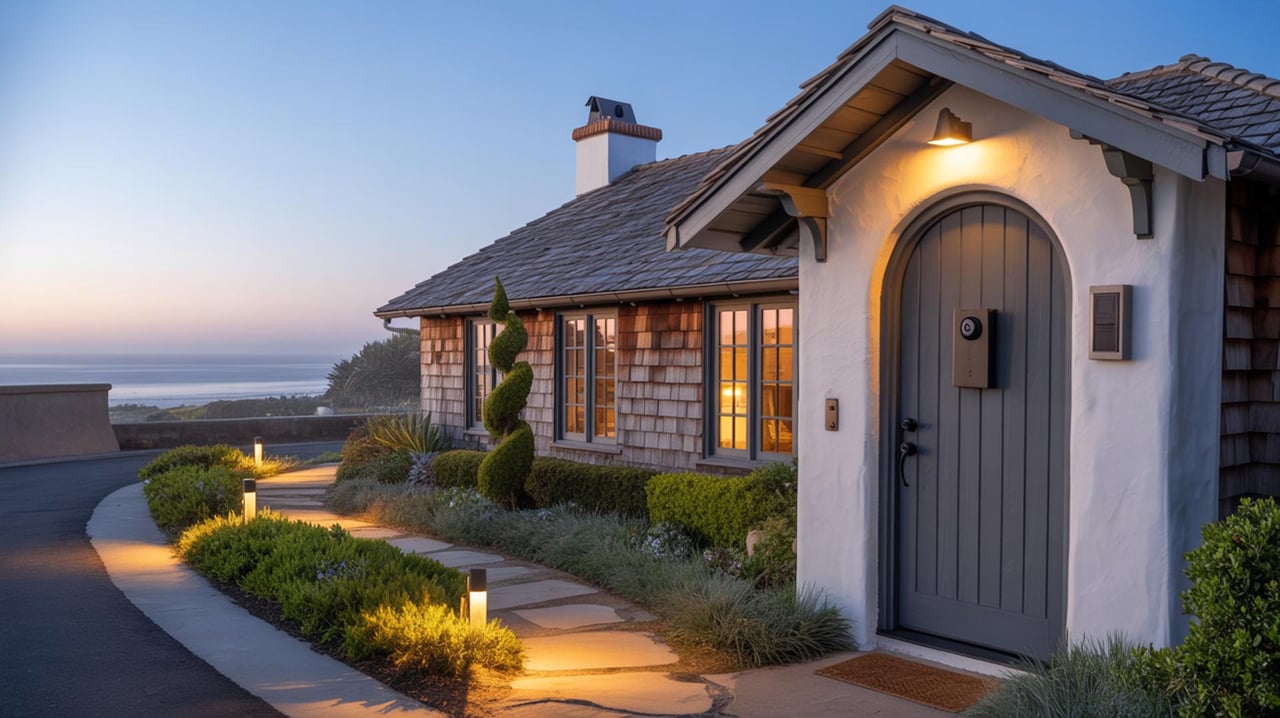
Essential Smart Home Upgrades for Carmel-by-the-Sea Homeowners

Real Estate

Essential Smart Home Upgrades for Carmel-by-the-Sea Homeowners

Practical Smart Home Upgrades to Boost Comfort, Security, and Energy Efficiency for Carmel-by-the-Sea Homeowners

Read Post
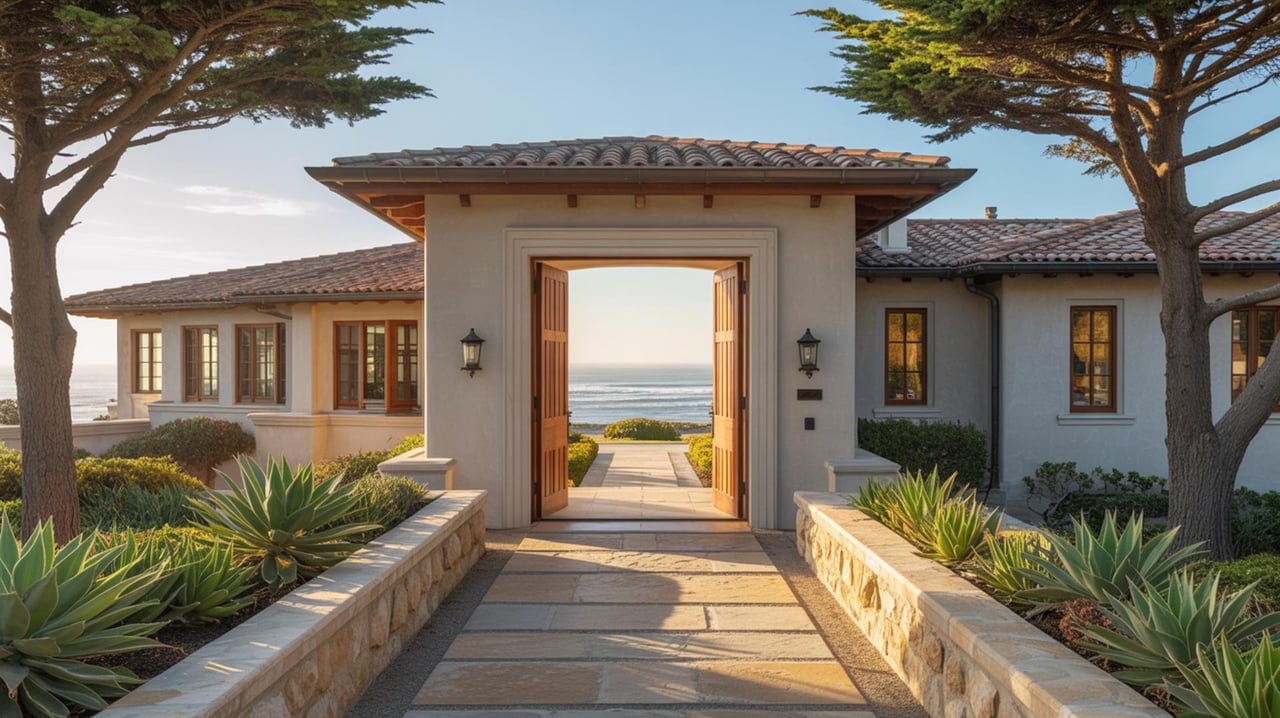
Key Questions to Ask During an Open House in Monterey, CA

Real Estate

Key Questions to Ask During an Open House in Monterey, CA

Essential Considerations for Homebuyers in Monterey

Read Post
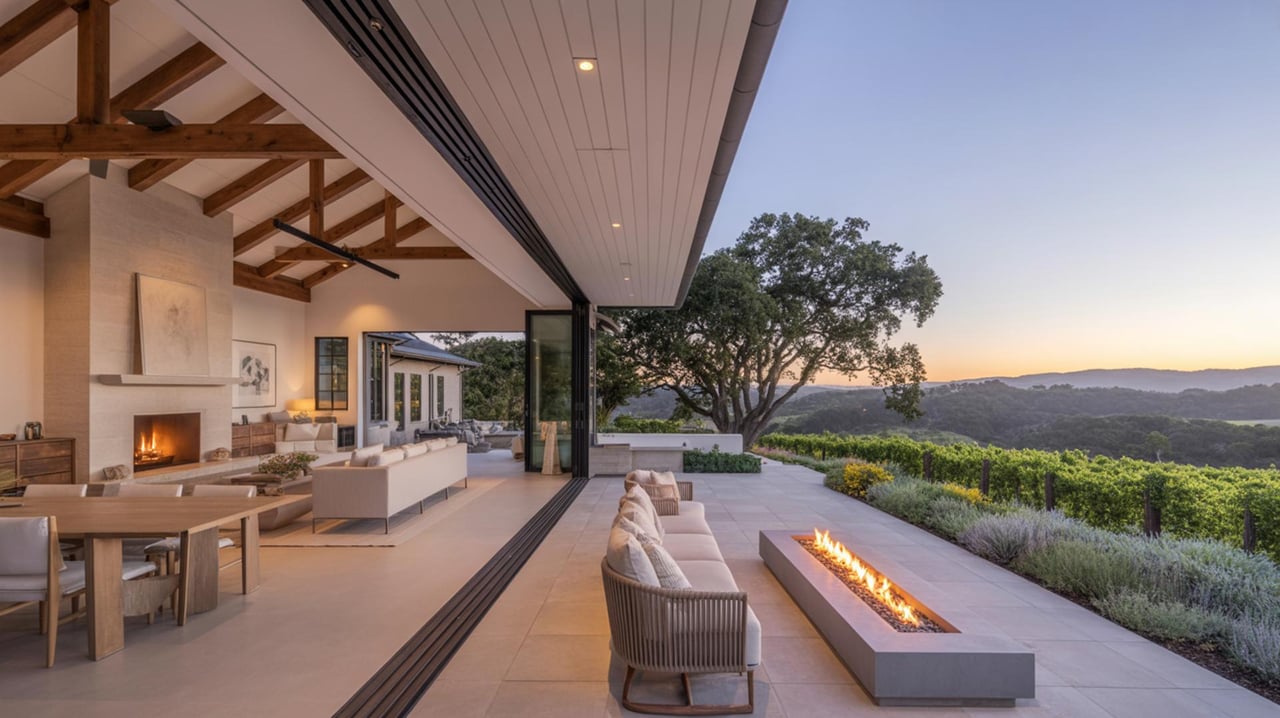
Home Design Trends in Carmel Valley, CA

Real Estate

Home Design Trends in Carmel Valley, CA

Exploring the Latest Innovations and Styles in Carmel Valley Home Design

Read Post
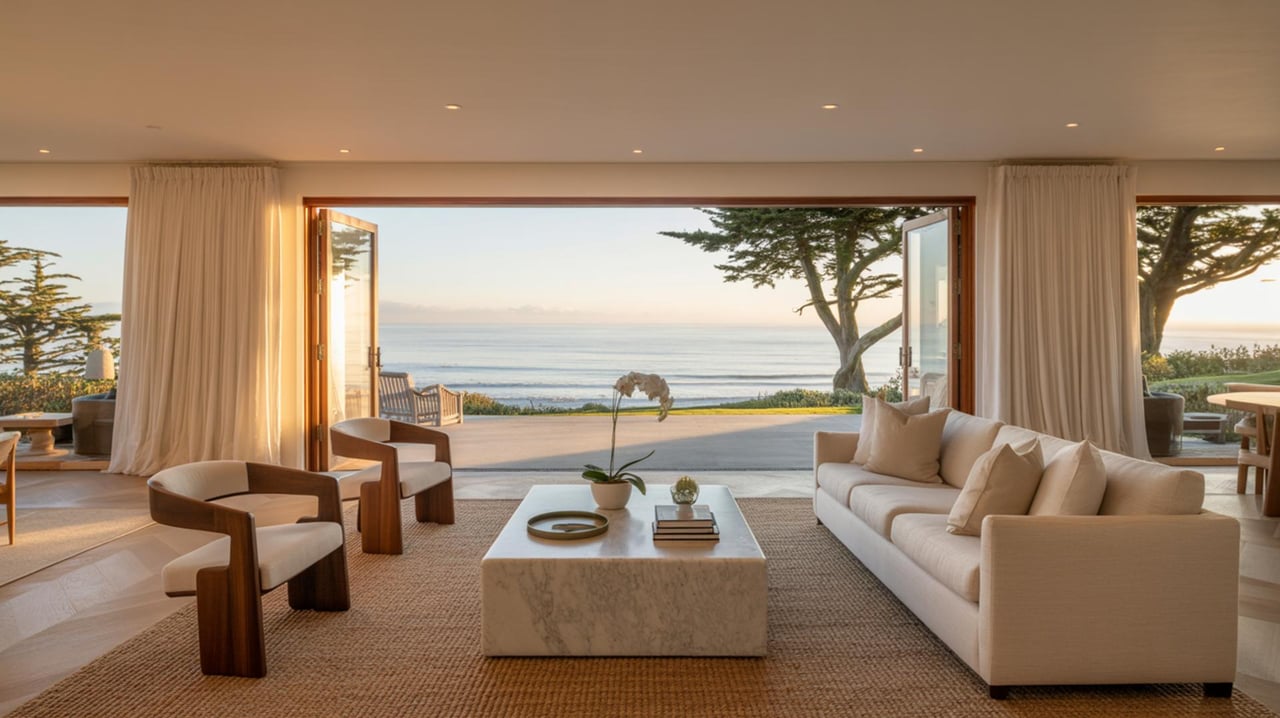
Staging Tips for a Quick Sale in Pebble Beach, CA

Real Estate

Staging Tips for a Quick Sale in Pebble Beach, CA

Essential Home Staging Strategies to Attract Buyers in Pebble Beach

Read Post
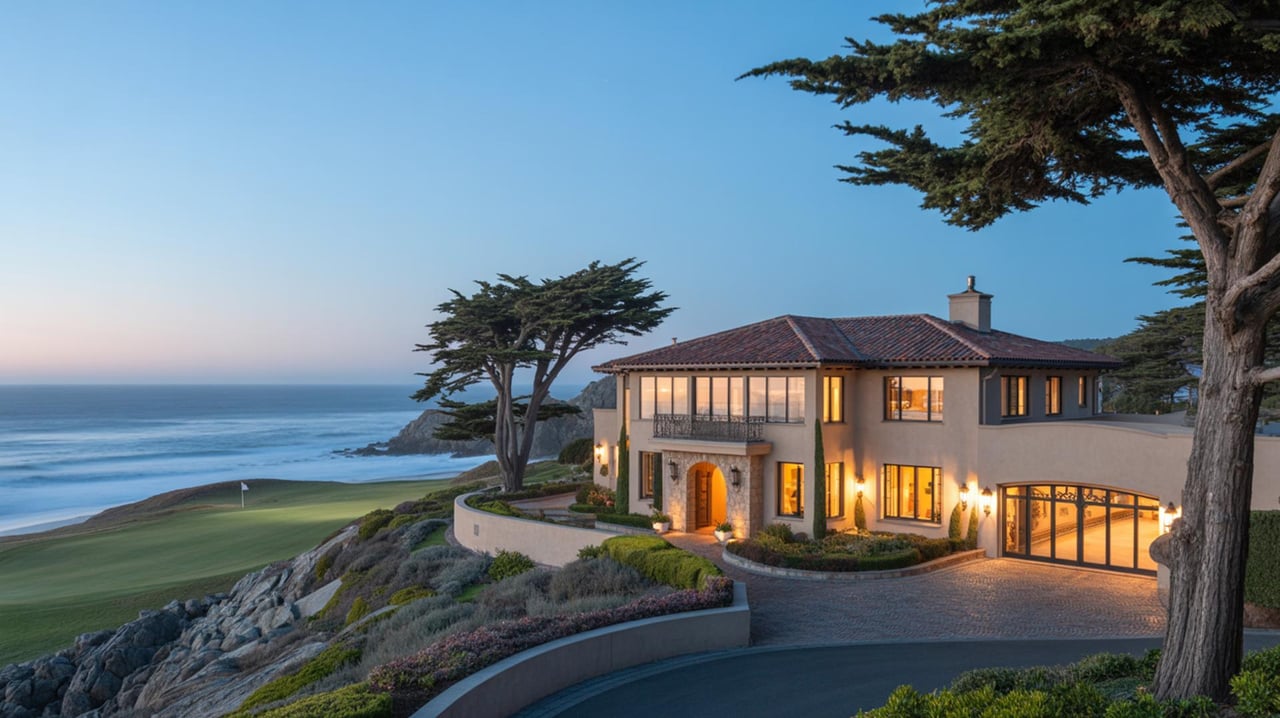
Your Guide to Buying a Home in Pebble Beach, CA

Real Estate

Your Guide to Buying a Home in Pebble Beach, CA

Discover Essential Tips and Insights for Home Buyers in Pebble Beach

Read Post
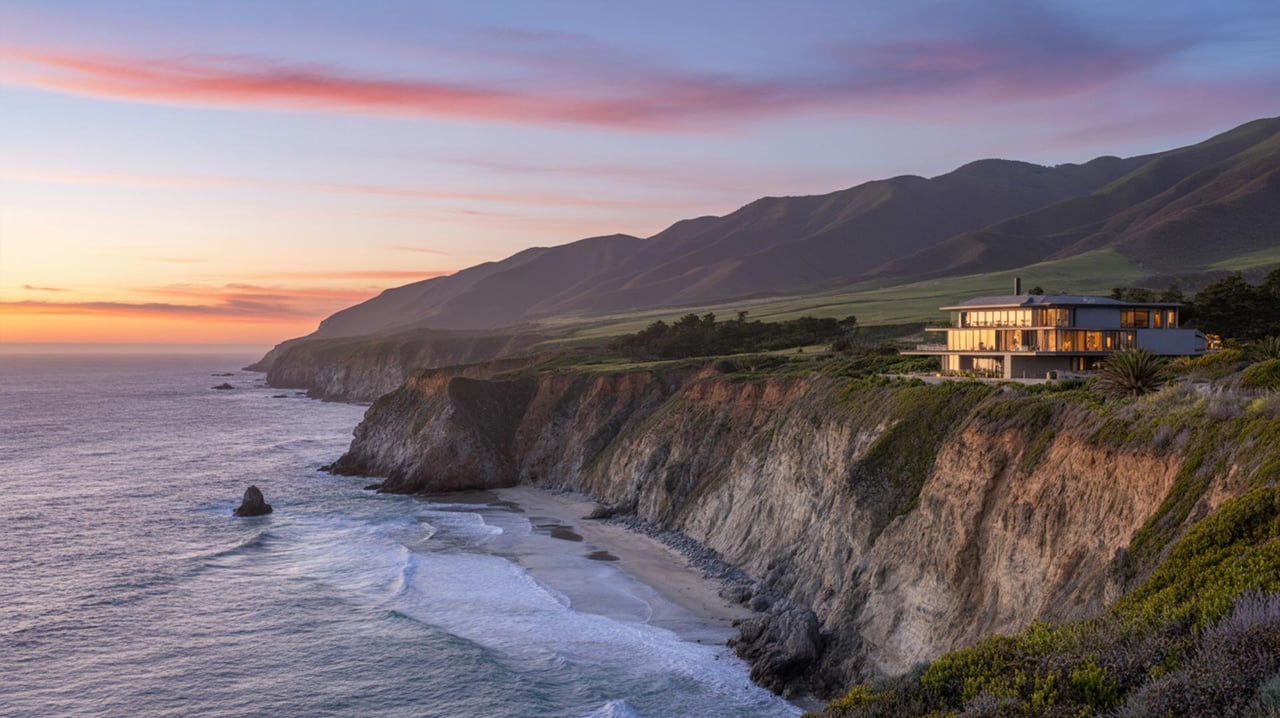
What You Need to Know About the Big Sur Real Estate Market

Real Estate

What You Need to Know About the Big Sur Real Estate Market

Insights and Tips for Navigating the Big Sur Real Estate Scene

Read Post

Recent Blog Post

01
02
03
04
05
06
07
08
09
010
011
012
013
014
015
016
017
018
019
020
021
022
023
024
025
026
027
028
029
030

View All

Follow Us