Leave a Message

By providing your contact information to La Tierra, your personal information will be processed in accordance with La Tierra's Privacy Policy. By checking the box(es) below, you consent to receive communications regarding your real estate inquiries and related marketing and promotional updates in the manner selected by you. For SMS text messages, message frequency varies. Message and data rates may apply. You may opt out of receiving further communications from La Tierra at any time. To opt out of receiving SMS text messages, reply STOP to unsubscribe.

Thank you for your message. We will be in touch with you shortly.

Blog

How To Evaluate A Ranch Or Vineyard Parcel In Carmel Valley

Considering a ranch or vineyard in Carmel Valley? The right parcel can deliver privacy, views, and meaningful production, but only if the land, water, and approvals line up. You want a clear path from dream to doable, without costly surprises. In this guide, you will learn how to evaluate access, soils, water, improvements, environmental limits, and wildfire risk using local standards and resources. Let’s dive in.

Start with access and topography

First, confirm you can legally and safely reach the site with the vehicles you need. Verify recorded access, easements, and any private road maintenance agreements in the title package. If heavy trucks or agricultural equipment will use the road, check surface type, vehicle weight limits, and any seasonal closures.

Next, look at road standards and turnarounds for emergency vehicles. County and local fire district rules set minimum widths, grades, and gate clearances. Use the county’s parcel and hazard layers to see how the driveway, slopes, and emergency routes interact on your parcel map. The Monterey County GIS viewer is a practical first screen for slope, flood, and fire overlays.

  • Tip: Use the county’s mapping layers to review slope and access constraints early. The county’s GIS services list is a good starting point for parcel-level due diligence.

Read the rules early

In Carmel Valley, local policy shapes what you can build or plant. Land use is guided by the Monterey County General Plan, plus the Carmel Valley Master Plan and Area Plan. These plans apply special controls to new wineries, well siting, and the conversion of uncultivated land to agriculture. They also influence house size and accessory uses. Treat these documents as primary constraints when you model parcel potential.

  • Review current county land use regulations and area plan resources through Monterey County Planning Services. The county site consolidates the rules that drive permits and approvals.
  • For historic context on Carmel Valley Master Plan policies and CEQA records, see the public resource page that reproduces plan content and references.

Reading the rules before you design saves time. It also helps you frame the right questions for county planners during a pre-application meeting.

Match soils and microclimate to your plan

Carmel Valley is an official American Viticultural Area, which confirms a unique mix of terrain, soils, and climate across a small, hilly footprint. Elevation and aspect change quickly from river terraces to ridgelines, so a south-facing slope a few hundred feet higher can behave very differently than a fog-prone lower pocket. This variability is part of the region’s appeal and why site-specific evaluation matters for vineyards and pasture.

  • Start with an NRCS soils map at the parcel scale, then follow with onsite borings. You want drainage class, depth to bedrock, and slope percent for both planting and foundations.
  • Walk the site to ground-truth aspect, wind exposure, and frost pockets. For small vineyard programs, consult UC Cooperative Extension’s Monterey County viticulture resources for regional guidance and pest alerts.

If you plan vines, align variety and rootstock to soil, exposure, and elevation. On well-drained terraces and slopes, expect drip irrigation and careful erosion control as standard practice.

Water drives feasibility

Water is the most critical factor in Carmel Valley. The Carmel River and its alluvial aquifer support the Monterey Peninsula, and long-running regulatory actions have shaped new connections and irrigation. Local management by the Monterey Peninsula Water Management District, along with state water-rights decisions, influence supply, approvals, and timing. Always confirm whether your parcel falls within MPWMD jurisdiction or another district.

  • Request well completion reports and any pump tests. Look for static level, drawdown, sustained yield, and long-term performance history.
  • If the property has a surface diversion, pond, or ditch, request recorded water-rights documents and maps. Irrigation that affects stream flows may require permits or mitigation.
  • Review recent water-right actions related to the Carmel River. The State Water Board’s page on California American Water Company’s diversions offers context for allocation and regulatory history in the basin.

Operationally, plan water against actual needs. For vineyards, build an irrigation budget based on planted acres, rootstock, and local evapotranspiration, then compare that to measured well capacity. UC Cooperative Extension’s advisors and tools used on the Central Coast can help you right-size irrigation and fertilizer inputs.

Improvements, septic, and utilities

Ask for permits and final certificates of occupancy for every improvement: residences, barns, sheds, wells, tanks, and septic systems. Unpermitted work can be costly to fix and can delay financing or resale.

  • Septic: Obtain Monterey County Environmental Health records for any onsite sewage system and prior percolation tests. If records are missing or outdated, schedule new perc tests and design early. Soil conditions, depth to groundwater, and proximity to streams all affect capacity.
  • Power and telecom: Confirm the service provider, meter capacity, and transformer limits. Cold storage, bottling, or larger pumps may require upgrades. Broadband coverage varies in rural pockets, so verify options before you commit to remote operations.
  • Surface water structures: If the property contains a pond, diversion, or channel work, check for federal or state permits. US Army Corps and Regional Water Board rules can apply to riparian or wetland work, which affects grading and irrigation expansion.

Habitat, CEQA, and riparian setbacks

The Carmel River corridor supports sensitive habitat, including federally listed species. Projects that touch streams, wetlands, or riparian vegetation often require biological studies and may trigger mitigation. Many agricultural conversions, new wells, and accessory processing uses require discretionary county permits and CEQA review.

  • Use the county GIS to screen for riparian corridors, wetlands, and Special Treatment Areas. If water features are present, schedule a biological reconnaissance and wetland delineation early.
  • Review CEQA records tied to the Carmel Valley Master Plan to understand how environmental considerations are handled at the county level.

This is where sequence matters. A short pre-application meeting with County Planning can clarify whether your concept will need CEQA review and which studies to order now rather than later.

Wildfire risk and defensible space

Wildfire mapping and rules affect design, cost, and insurability. Cal Fire and the State Fire Marshal are updating Fire Hazard Severity Zone maps across Monterey County. Your property’s zone can change building standards, home-hardening features, and inspection requirements for escrow.

  • Check current FHSZ updates and context for California’s remapping effort. Then confirm with county GIS whether your parcel sits in State Responsibility or Local Responsibility Areas and what that means for building codes.
  • Ask the local fire protection district for road, gate, and defensible-space standards. AB 38 requires a defensible-space inspection for certain sales, so plan timing with escrow.

Your early due diligence checklist

Follow a practical order so you can make fast, informed decisions:

  1. Title and recorded documents: Order a current title report. Confirm all access, utility, and agricultural easements, plus any covenants or conservation easements.
  2. Parcel screening: Pull APN data, then run county GIS layers for slope, FEMA flood, fire zones, riparian corridors, and wetlands.
  3. Seller disclosures and permits: Request permits and finals for all improvements, septic files, well logs and pump tests, irrigation or road agreements, and any agricultural leases.
  4. Survey and soils: Engage a licensed land surveyor for boundary and topographic mapping. Download an NRCS soils map for the parcel area, then schedule borings and percolation tests.
  5. Biological and wetlands: If streams or springs are nearby, order a habitat assessment and wetland delineation. Seasonality can affect survey timing.
  6. County pre-application: Meet with Monterey County Planning to confirm required permits, likely environmental review, and timelines.
  7. Vineyard planning: If planting, retain a viticulturist to draft a suitability memo, preliminary planting plan, and irrigation budget. Compare the water budget to confirmed well capacity.
  8. Fire and inspections: Confirm local fire district standards and AB 38 defensible-space inspection timing relative to your closing.

Build the right advisory team

On complex acreage, your specialists are as important as the site. Consider scheduling, scope, and deliverables before you open escrow:

  • Licensed land surveyor: Boundary, topographic survey, and a CAD base for planning.
  • Viticulturist or ag consultant: Suitability memo, variety and rootstock recommendations, and a high-level planting budget.
  • Geotechnical engineer: Borings and a report for pads, terraces, and retaining structures.
  • Hydrologist or well professional: Step-drawdown and constant-rate pump tests to establish sustained yield and specific capacity.
  • Civil engineer: Grading, access, drainage, and erosion control plans.
  • Environmental biologist: Habitat assessment and permitting strategy for work near streams or wetlands.
  • Septic designer: Perc testing and system design that meets county standards.
  • Wildfire and forestry advisor: Defensible-space and oak protection plans.
  • Title or land-use attorney: Easements, restrictions, Williamson Act status, and any existing agreements that shape use or parcelization.
  • County planner: A brief paid consult to align your concept with the Carmel Valley Master Plan and identify likely CEQA triggers.

For technical or cost-share help on erosion control or irrigation efficiency, the Resource Conservation District of Monterey County is a helpful local resource.

Red flags to watch

  • Unclear or unrecorded access. If you cannot prove legal access for your intended uses, the deal rarely works.
  • Weak well or water-right limits. Low sustained yield or restricted new connections can limit plantings and additional dwellings. Check regulatory context for the Carmel River basin.
  • Riparian corridors through prime sites. Streams or wetlands that bisect your best building or planting areas can add costly mitigation or rule them out.
  • Unpermitted work or failed septic history. Expect corrective work requirements before approvals or financing.
  • High wildfire hazard with narrow, steep access. This can complicate defensible space, home-hardening, and insurability.

Why Carmel Valley parcels reward diligence

Carmel Valley’s AVA designation, diverse microclimates, and river system make it a rare place to combine lifestyle and production. The same features that create great winegrowing and ranch settings also trigger thoughtful rules. When you tackle access, water, soils, environmental limits, and fire risk in a clear sequence, you protect your capital and move forward with confidence.

If you want a discreet, technically grounded partner to help you evaluate or position acreage, we are here to help. Connect with La Tierra to talk through your goals, walk candidate parcels, and book a tour.

FAQs

What makes Carmel Valley distinct for vineyards?

  • Carmel Valley is a designated American Viticultural Area, and its small, hilly terrain creates varied soils and microclimates that reward careful site selection.

How do I verify water feasibility on a parcel?

  • Request well logs and pump tests, confirm district jurisdiction with MPWMD, and review State Water Board actions tied to the Carmel River to understand allocation and regulatory context.

Do I need a permit to convert land to vines?

  • In the Carmel Valley planning area, converting more than one acre of uncultivated land to cultivation generally requires a use permit, and the Master Plan imposes related controls.

Where can I check slope, fire zones, and riparian buffers?

  • Use Monterey County’s GIS layers to screen slope, floodplains, fire hazard, and riparian corridors, then verify details with a survey and biological assessment.

How does wildfire mapping affect permits and insurance?

  • Fire Hazard Severity Zone designations influence building codes, defensible-space requirements, and insurability. Check current remapping context and confirm your parcel’s zone with the county GIS.

Recent Blog Post

New To Monterey? Utilities, Permits And Services Setup

New To Monterey? Utilities, Permits And Services Setup

Read Post

A Buyer’s Guide To Golf Estates In Pebble Beach

A Buyer’s Guide To Golf Estates In Pebble Beach

Read Post

Choosing Between Carmel-by-the-Sea And Santa Lucia Preserve Retreats

Choosing Between Carmel-by-the-Sea And Santa Lucia Preserve Retreats

Read Post

What It’s Like To Own A Cottage In Carmel-by-the-Sea

What It’s Like To Own A Cottage In Carmel-by-the-Sea

Read Post

Conservation Easements in Carmel Valley: The Basics

Conservation Easements in Carmel Valley: The Basics

Read Post

Selling A Legacy Ranch In Carmel Valley With Care

Selling A Legacy Ranch In Carmel Valley With Care

Read Post

How To Evaluate A Ranch Or Vineyard Parcel In Carmel Valley

How To Evaluate A Ranch Or Vineyard Parcel In Carmel Valley

Read Post

Understanding Membership And Amenities At Santa Lucia Preserve

Understanding Membership And Amenities At Santa Lucia Preserve

Read Post

Equestrian Living In Carmel Valley

Equestrian Living In Carmel Valley

Read Post

Preparing To Sell A Home In Santa Lucia Preserve

Preparing To Sell A Home In Santa Lucia Preserve

Read Post

Big Sur Coastal Development Permit: A Beginner’s Guide

Big Sur Coastal Development Permit: A Beginner’s Guide

Read Post

Building Envelopes at Santa Lucia Preserve Explained

Building Envelopes at Santa Lucia Preserve Explained

Read Post

Daily Life At Santa Lucia Preserve

Daily Life At Santa Lucia Preserve

Read Post
Carmel Valley vs. Carmel‑by‑the‑Sea: Which Fits You?

Carmel Valley vs. Carmel‑by‑the‑Sea: Which Fits You?

Read Post

Exploring Backcountry - Alan Drew

Exploring Backcountry - Alan Drew

In any season, adventure is only a few steps away, but each season presents different advantages.

Read Post

Scenic Easements In Big Sur Explained

Scenic Easements In Big Sur Explained

Read Post

Architecture Styles That Define Carmel‑by‑the‑Sea

Architecture Styles That Define Carmel‑by‑the‑Sea

Read Post

Big Sur Living: Access, Services and Daily Realities

Big Sur Living: Access, Services and Daily Realities

Read Post

Condo vs. House for a Monterey Second Home

Condo vs. House for a Monterey Second Home

Read Post

Choosing the Right Homesite at Santa Lucia Preserve

Choosing the Right Homesite at Santa Lucia Preserve

Read Post
How To Evaluate a Legacy Parcel in Pebble Beach

How To Evaluate a Legacy Parcel in Pebble Beach

Read Post
Car‑Light Living In Monterey Using The Coastal Trail

Car‑Light Living In Monterey Using The Coastal Trail

Read Post
Smart Home Upgrades Every Carmel-by-the-Sea Homeowner Needs

Real Estate

Smart Home Upgrades Every Carmel-by-the-Sea Homeowner Needs

Essential Smart Home Upgrades for Carmel-by-the-Sea Residents

Read Post

What “Off‑Market” Really Means in Monterey

What “Off‑Market” Really Means in Monterey

Read Post
Choosing the Best Neighborhood in Carmel-by-the-Sea

Real Estate

Choosing the Best Neighborhood in Carmel-by-the-Sea

Discover Top Tips for Finding Your Ideal Community in Carmel-by-the-Sea

Read Post
Coastal Drainage And Erosion Tips For Monterey Lots

Coastal Drainage And Erosion Tips For Monterey Lots

Read Post
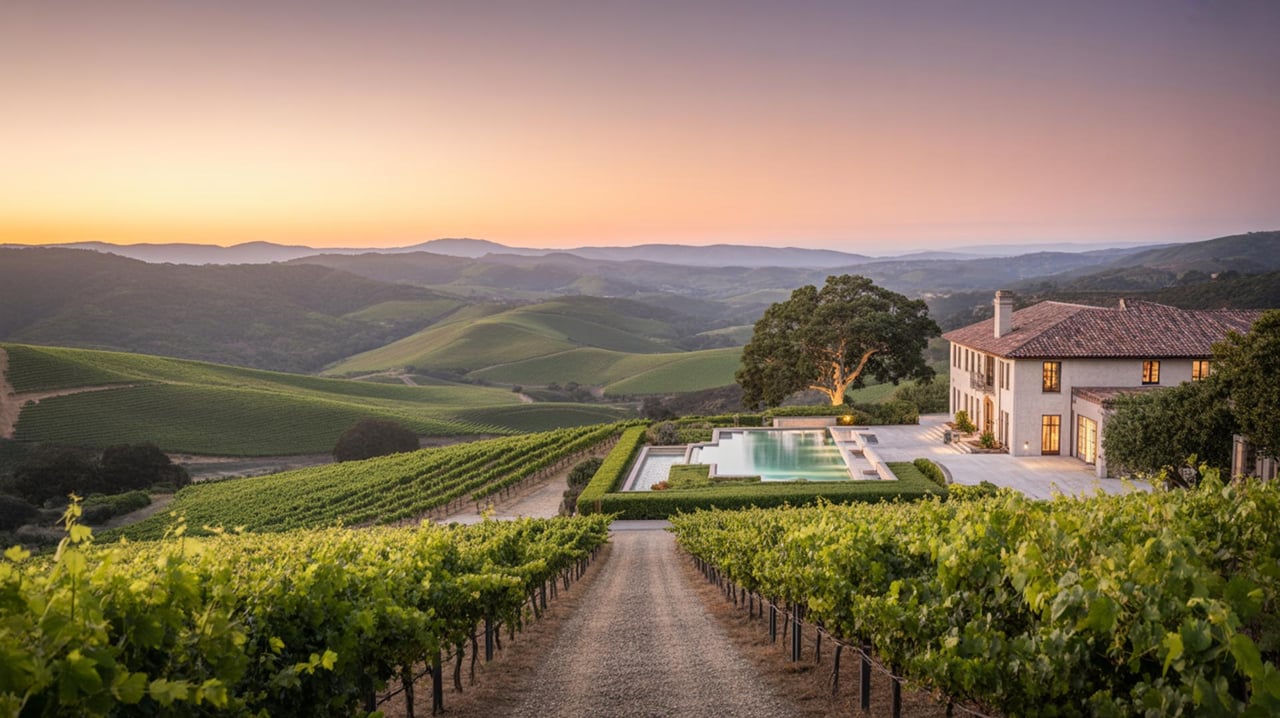
Top Outdoor Activities to Experience in Carmel Valley, CA

Lifestyle

Top Outdoor Activities to Experience in Carmel Valley, CA

Discover the Best Ways to Enjoy Nature in Carmel Valley

Read Post

How to Build Home Equity Faster in Pebble Beach, CA

Real Estate

How to Build Home Equity Faster in Pebble Beach, CA

Strategies to Boost Your Property's Value in Pebble Beach

Read Post

Unexpected Low-Cost Upgrades With the Highest ROI

Real Estate

Unexpected Low-Cost Upgrades With the Highest ROI

Maximize Your Home's Value in [City Name] Without Breaking the Bank

Read Post
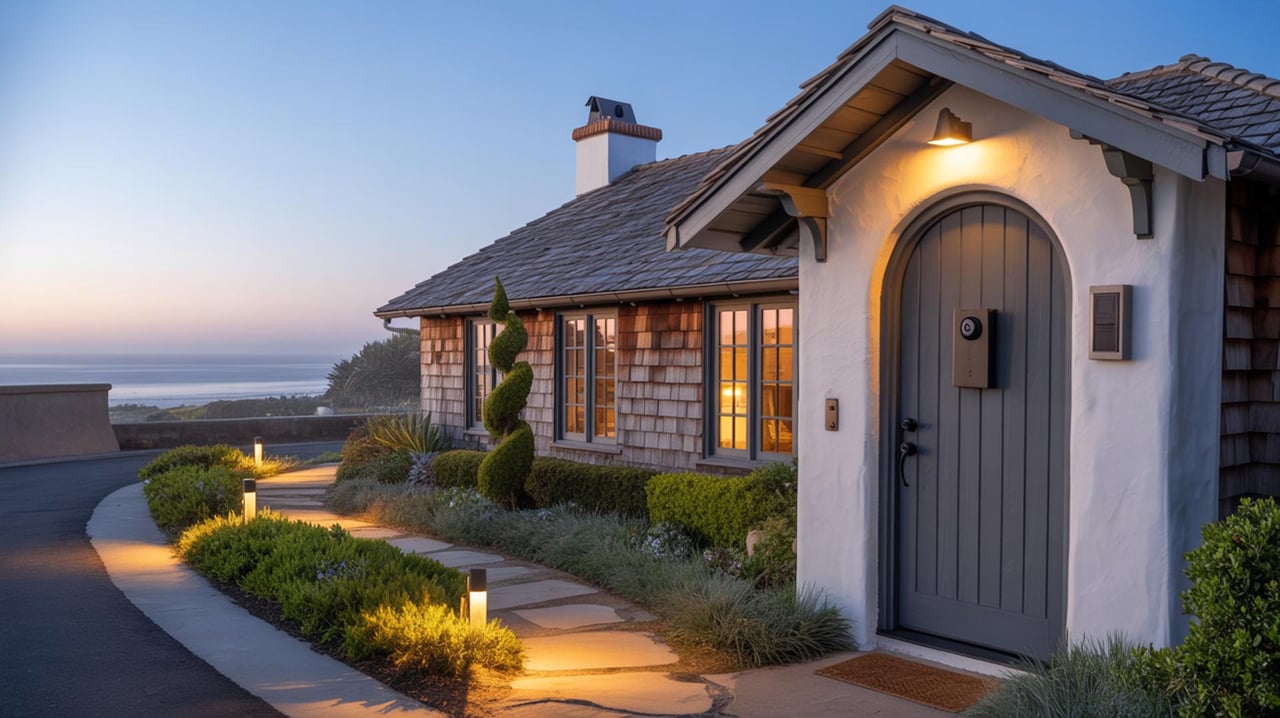
Essential Smart Home Upgrades for Carmel-by-the-Sea Homeowners

Real Estate

Essential Smart Home Upgrades for Carmel-by-the-Sea Homeowners

Practical Smart Home Upgrades to Boost Comfort, Security, and Energy Efficiency for Carmel-by-the-Sea Homeowners

Read Post
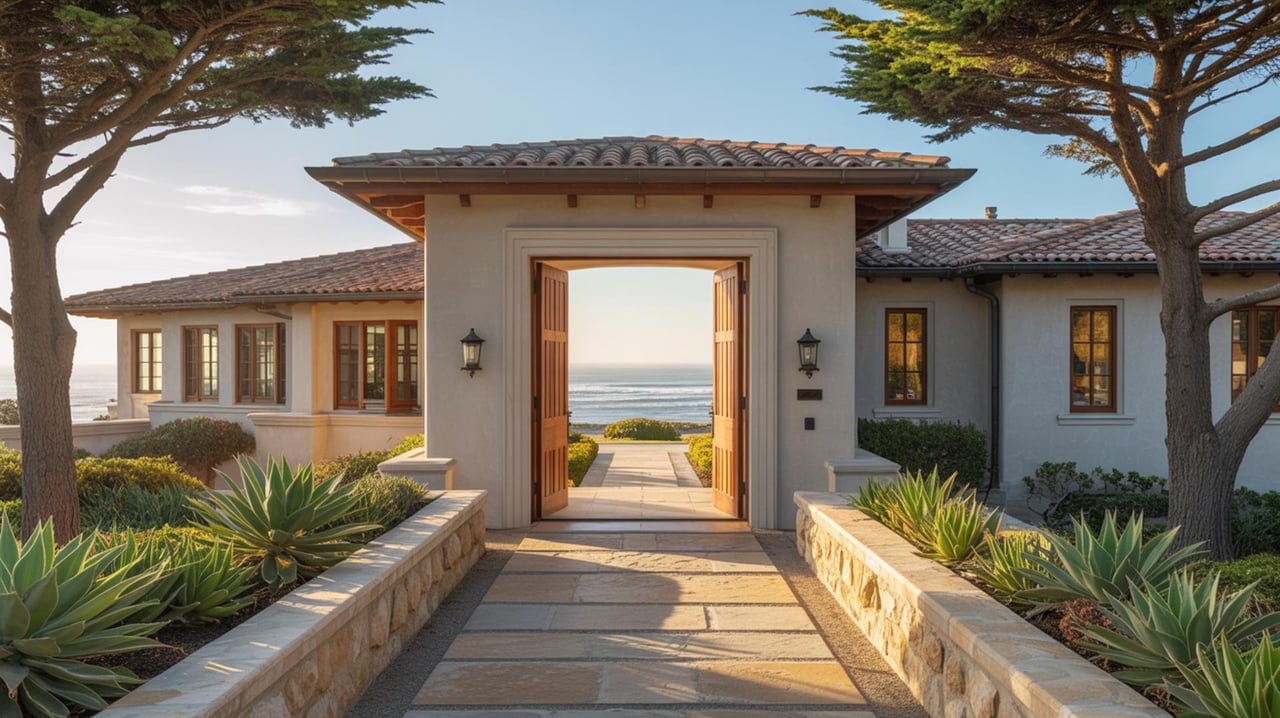
Key Questions to Ask During an Open House in Monterey, CA

Real Estate

Key Questions to Ask During an Open House in Monterey, CA

Essential Considerations for Homebuyers in Monterey

Read Post
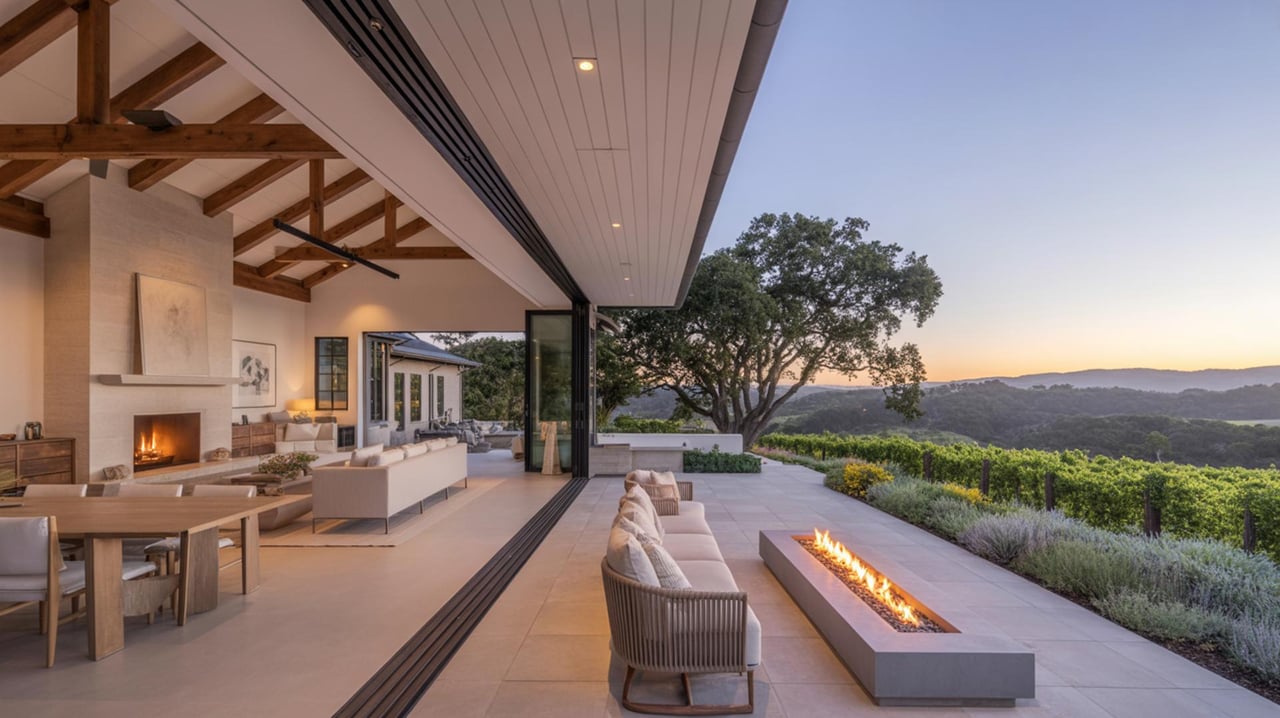
Home Design Trends in Carmel Valley, CA

Real Estate

Home Design Trends in Carmel Valley, CA

Exploring the Latest Innovations and Styles in Carmel Valley Home Design

Read Post

Staging Tips for a Quick Sale in Pebble Beach, CA

Real Estate

Staging Tips for a Quick Sale in Pebble Beach, CA

Essential Home Staging Strategies to Attract Buyers in Pebble Beach

Read Post

Your Guide to Buying a Home in Pebble Beach, CA

Real Estate

Your Guide to Buying a Home in Pebble Beach, CA

Discover Essential Tips and Insights for Home Buyers in Pebble Beach

Read Post
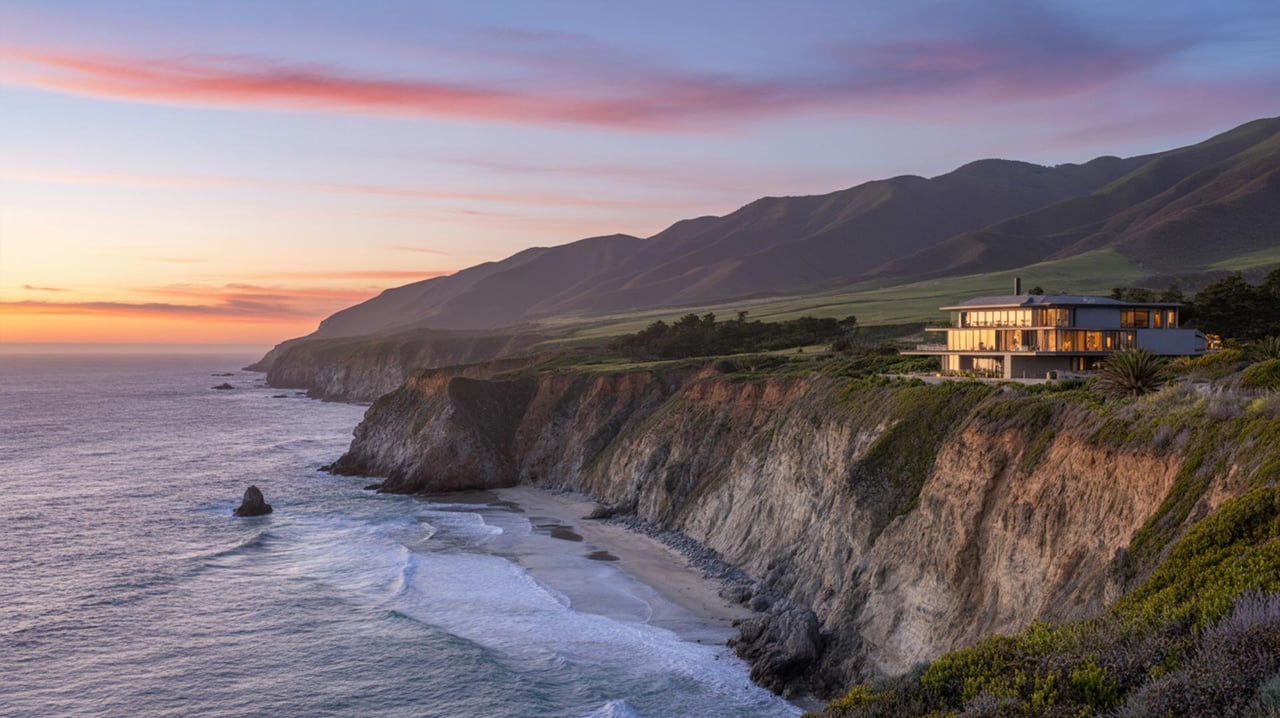
What You Need to Know About the Big Sur Real Estate Market

Real Estate

What You Need to Know About the Big Sur Real Estate Market

Insights and Tips for Navigating the Big Sur Real Estate Scene

Read Post

Recent Blog Post

01
02
03
04
05
06
07
08
09
010
011
012
013
014
015
016
017
018
019
020
021
022
023
024
025
026
027
028
029
030
031
032
033
034
035

View All

Follow Us