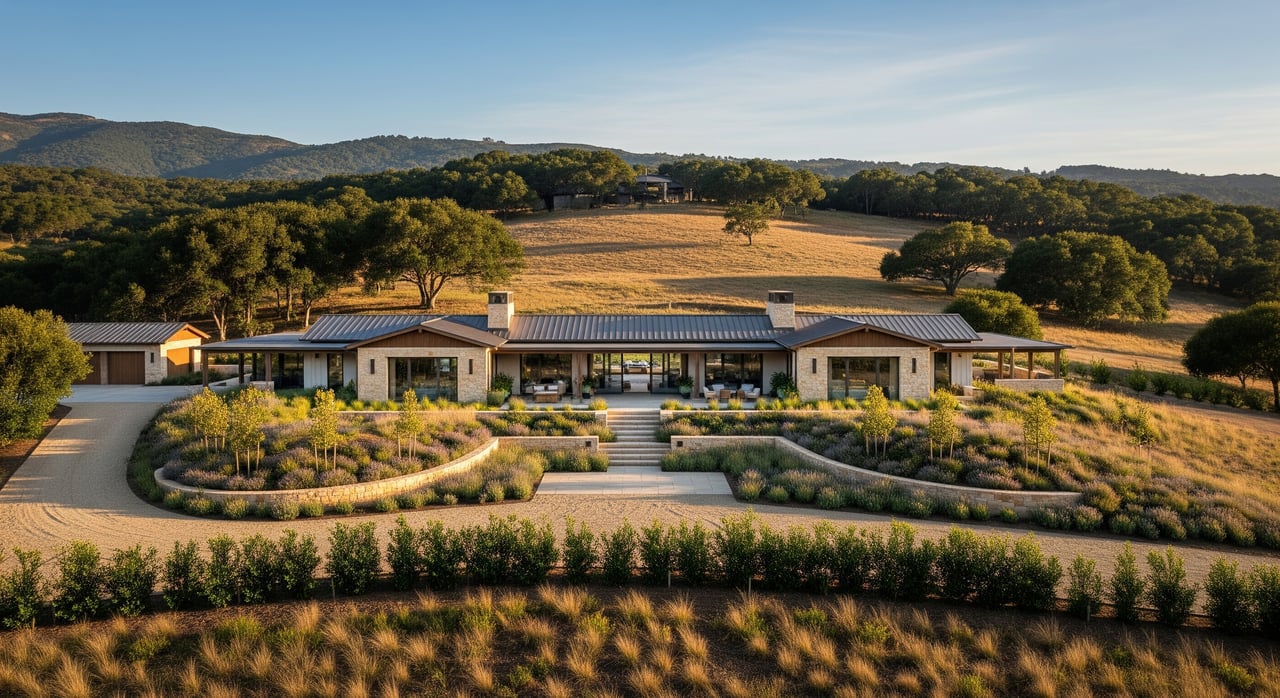
Selling a family ranch is not just a transaction. It is a handoff of history, stewardship, and years of quiet work that most buyers will never see. If you are a trustee or longtime owner in Carmel Valley, you want a sale that respects your land, protects your family’s privacy, and preserves value. This guide walks you through the local rules that shape value, the records buyers will ask for, and the marketing and listing choices that keep your legacy front and center. Let’s dive in.
What drives value in Carmel Valley ranch sales
Land use and zoning basics
Before you set a price or consider splitting acreage, confirm what your land can and cannot become. Monterey County regulates unincorporated Carmel Valley through general and area plans that set parcel-size minimums and agricultural priorities. Many large inland parcels carry farmland or grazing designations, where lot-size minimums such as F/40 or PG/40 often apply to splits and discretionary approvals. Review your parcel’s designation and any overlays in recent county planning records noted in the land-use and mitigation context.
Next, pull parcel-level data. Monterey County’s GIS can help you identify recorded easements, fire-hazard mapping, and groundwater basin boundaries tied to your APNs. Start with the county’s parcel report layers to flag constraints and recorded items that might affect access, water, or development potential.
Wildfire and building standards
Wildfire risk is a critical factor for inland ranches. The State has updated Fire Hazard Severity Zone maps, and many Carmel Valley parcels intersect High or Very High zones. Those designations can trigger Wildland Urban Interface building standards, home hardening, defensible-space obligations, and additional review for new construction. Confirm your property’s current status using the State’s Monterey County FHSZ map, then document measures you have taken.
California also requires defensible space in applicable zones, typically 100 feet around structures or to the property line. Buyers and insurers may ask for records of fuel reduction, inspections, and agreements with local fire districts. Track this work and review current guidance on defensible space requirements.
Water and the Carmel River context
Water is often the heartbeat of value. The Carmel Valley alluvial aquifer lies within the Carmel River watershed, where the Monterey Peninsula Water Management District serves as the local Groundwater Sustainability Agency. If your ranch relies on wells, ponds, or any surface-water diversions, collect usage records and confirm basin context using the GSA overview for the Carmel Valley alluvial aquifer. Buyers will ask for well logs, pump tests, irrigation maps, and any recorded water-rights or diversion permits.
Because the river corridor is tightly regulated, any plan that contemplates new diversions, ponding, or major irrigation should budget for professional review. The Carmel River supports federally listed species, including Central Coast steelhead, and associated habitat protections can shape what is feasible. Expect buyer diligence on these issues and review species context through federal resources on South-Central California Coast steelhead.
Habitat and species
If your property includes riparian areas, wetlands, or seasonal creeks, a biological survey can be a smart pre-listing step. Sensitive habitats trigger avoidance and mitigation rules for improvements near streams, and buyers often hire biologists as part of their diligence. Commissioning a baseline report reduces surprises and signals stewardship to qualified buyers.
Get your legal house in order
Trustee authority and title
If a trust or estate holds title, verify who can sign and what documents will be required. The trustee must have express authority to convey, and the County Assessor and Recorder have specific procedures for changes of ownership and death-related transfers. Pull your chain of title and consult the county’s guidance on change-of-ownership filings so you know which certifications and forms you will need.
Property taxes and Prop 19
Do not assume property tax continuity when you move assets among family members. Proposition 19 narrowed parent-to-child reassessment protections, with limited exclusions for a family home used as a primary residence and certain family farms. If your disposition plan includes intergenerational transfers before or during the sale, speak with your CPA and consult the county assessor before you change title. Filing timelines and eligibility caps matter.
Conservation easement options
Some families want to preserve open space while realizing value. A conservation easement can be donated or sold to reduce development potential in exchange for tax benefits or cash consideration. The rules are technical and require a qualified appraisal, strict documentation, and experienced counsel. Review the IRS instructions for charitable easement reporting in Form 8283 guidance, and if you plan to explore this path, engage a reputable land trust early and learn what a conservation process entails through the Land Trust Alliance’s overview on how to conserve your land.
Build a buyer-ready due diligence packet
You can lower friction and protect your family by organizing records up front. Create a single indexed folder, both digital and paper, that your broker and advisors can share with vetted buyers.
Include:
- Current deeds for all APNs and a simple chain-of-title summary. If there are fractional interests, note them clearly.
- Surveys and maps, including boundary, fences, easements, well and septic locations, and any ALTA survey.
- Recorded easements and covenants, such as road access, utility rights-of-way, conservation or scenic easements. Cross-check the county’s parcel report layers to verify what is of record.
- Water documentation: well logs, pump tests, irrigation diagrams, usage history, and any diversion permits or correspondence with MPWMD. Keep contact information for the relevant GSA handy.
- Environmental files: prior biological reports, any Phase I or II environmental site assessments, timber or habitat plans, and records of pesticide or fertilizer use.
- Building and septic permits, as-built septic drawings, and any road or encroachment permits. If unpermitted work exists, identify it clearly so counsel can advise on disclosures.
- Operational context: grazing or farming leases, livestock records, certifications, equipment inventories, and maintenance logs.
- Stewardship history: a short narrative with dated photos that show habitat improvements, fuel-reduction projects, and ranch management practices. Buyers pay for a story they can trust.
- Financials and encumbrances: mortgage statements, tax bills, insurance loss history, and any lender restrictions that might affect subdivision or sale structure.
- Trust documents: the trust instrument, trustee certifications, power of attorney, meeting minutes, and any prior intra-family offers.
A complete packet helps qualified buyers move quickly and limits back-and-forth during escrow. It also reduces the chance of a deal falling apart because of a preventable surprise.
Privacy-forward marketing that honors your legacy
The right marketing brings your ranch to the right buyers without putting your family in a spotlight. Your choices range from full public exposure to highly curated private placement. The best path depends on priorities like price discovery, timing, and confidentiality.
- Public luxury listing. This offers broad exposure and can maximize price, especially with premium photography and video that tell a stewardship story. It comes with less anonymity and more foot traffic to manage.
- Confidential, limited distribution. Your broker circulates anonymized materials to a short list of ranch, estate, conservation, and institutional buyers. Showings require NDAs and proof of funds. This protects privacy and neighbor relationships but often takes longer to reach a peak offer.
- Targeted broker networks. Your listing lives within vetted ranch and land communities where buyers speak the same technical language. Require your broker to substantiate their network and track record in this niche.
- Stewardship-first positioning. Prepare a concise booklet that covers history, habitat, grazing capacity, water and irrigation context, and any conservation opportunities. If an easement is possible, align your materials with best practices for conservation narratives, like those highlighted in the Land Trust Alliance overview on conserving land.
To protect your privacy during showings, schedule tight windows, require escorts, and delay broad disclosure of sensitive details until a buyer is vetted. Escrow confidentiality addenda and careful communications with any on-site residents help maintain stability until closing.
Choose a listing path and timeline
You have several strategic options, each with distinct timeline and approval implications.
- Sell intact. The simplest path. Market to ranch, estate, and conservation buyers. Expect deep diligence on water, environmental context, and title. Large ranch escrows often take longer because the buyer pool is specialized.
- Subdivide or lot-line adjust. Potential to unlock aggregate value, but Monterey County enforces parcel-size minimums and often requires discretionary review or CEQA. Timelines can stretch. If this is on the table, study the county’s process for minor subdivisions and lot line adjustments in the planning guidance and consult a land-use planner before you start.
- Sell or donate development rights. A conservation easement negotiated before or alongside a sale can reduce development value in exchange for tax benefits or cash from a land trust or public agency. This requires a specialized appraiser and counsel and often extends the path to closing.
- Consider auction or sealed bids. For rare assets or when you want a compressed decision window, structured bidding can work. It can also limit private negotiations and reduce flexibility.
A realistic timeline helps you plan for taxes, insurance, and ongoing stewardship work during marketing. Here is a typical arc:
Immediate, weeks 0 to 8: assemble your records, confirm trustee authority, engage a ranch-experienced broker, and order a current boundary survey if needed.
Pre-market, weeks 4 to 12: complete pre-listing inspections, document defensible-space status, and commission baseline biological or hydrology reviews if there are riparian areas or diversions.
Marketing, variable: launch your chosen strategy, vet prospects, schedule escorted tours, and negotiate offers.
Escrow, 30 to 90 days or more: expect buyer studies such as environmental assessments, biological surveys, water evaluations, appraisal, and title clearance. If you are pursuing a subdivision or easement in parallel, build in more time.
Assemble the right team
At minimum, plan for a collaborative team that meets early together, not in sequence. The way you tell your stewardship story, the legal authority you document, and the marketing you choose are all connected.
- A ranch-experienced listing broker with local and national ranch networks.
- A trust and estate attorney who handles trustee sales and Prop 19 questions.
- A CPA or tax advisor comfortable with conservation easements and capital-gain planning.
- A qualified appraiser with ranch and conservation experience if valuation complexity is expected.
- A land-use planner or permit consultant for subdivision, CEQA, or septic and well issues.
- A hydrologist or water-rights counsel if wells, ponds, or river diversions are material to value.
- A wildlife or biological consultant for species and riparian concerns.
- A surveyor and a title company experienced with rural easements and access.
First 30 days: an action checklist
- Confirm trustee authority. Collect certified trust pages that grant sale powers and create a simple contact sheet for counsel and beneficiaries.
- Pull parcel abstracts. Gather assessor and recorder data and consolidate deeds and easements by APN in a single folder.
- Verify boundaries. Order an updated ALTA or boundary survey if fences or lines are in question.
- Inventory water. Locate well logs, pump tests, and irrigation maps. Note the GSA context for the Carmel Valley alluvial aquifer and keep agency contacts handy.
- Check permits. Retrieve building, septic, and encroachment permits. List any unpermitted items for disclosure planning.
- Commission targeted reports. Consider a Phase I ESA if there was chemical or fuel storage and a baseline biological review for riparian zones.
- Decide on conservation. If an easement is on the table, speak with a qualified land trust, appraiser, attorney, and CPA now to understand timing and valuation.
- Build your stewardship packet. Pair a brief land history with maps, dated photos, and invoices for fuel reduction or habitat work.
Selling a legacy ranch in Carmel Valley is as much about honoring place as it is about price. When you pair clear authority and complete records with privacy-forward marketing and a seasoned ranch broker, you give buyers confidence and protect your family’s goals. If you are ready to plan a thoughtful exit or want a discreet second opinion on strategy, connect with La Tierra for a confidential conversation.
FAQs
What documents do trustees need to sell a Carmel Valley ranch?
- You will typically need certified trust pages showing sale authority, a trustee certification, current deeds for all APNs, and county change-of-ownership filings prepared with your attorney and CPA.
How do wildfire zones affect insurance and improvements in Carmel Valley?
- High or Very High Fire Hazard Severity Zones can trigger WUI building standards, stricter defensible-space obligations, and added steps for insurability, so document fuel reduction and any inspections before listing.
What should I know about water rights and wells near the Carmel River?
- Buyers will want well logs, pump tests, and water-use history, and any diversions or ponds may require closer review due to the river’s protected species and aquifer management context.
Is a conservation easement before sale a good idea in Monterey County?
- It can be, if preserving open space and potential tax benefits align with your goals, but you must use qualified professionals for valuation and structure the deal with a reputable land trust and counsel.
How long does it take to sell a legacy ranch in Carmel Valley?
- Plan for a staged process that can extend several months or longer, with pre-market preparation, targeted marketing, and a 30 to 90 day or more escrow that includes detailed buyer diligence.