Leave a Message

By providing your contact information to La Tierra, your personal information will be processed in accordance with La Tierra's Privacy Policy. By checking the box(es) below, you consent to receive communications regarding your real estate inquiries and related marketing and promotional updates in the manner selected by you. For SMS text messages, message frequency varies. Message and data rates may apply. You may opt out of receiving further communications from La Tierra at any time. To opt out of receiving SMS text messages, reply STOP to unsubscribe.

Thank you for your message. We will be in touch with you shortly.

Blog

Reading The Monterey Luxury Market As A Bay Area Buyer

Wondering why Monterey luxury listings can feel both slower and more competitive than what you see in the Bay Area? If you are shopping from San Francisco, Silicon Valley, or elsewhere in Northern California, the Monterey Peninsula can look familiar at first glance but behave very differently once you start comparing homes. The key is learning how to read this market by enclave, property type, and regulatory context so you can make smarter decisions with more confidence. Let’s dive in.

Monterey Is a Coastal Luxury Corridor

If you are coming from the Bay Area, it helps to think of Monterey as part of a broader coastal luxury corridor, not as one simple local market. Monterey County sits just south of the Bay Area, about 45 miles from San Jose and 106 miles from San Francisco, and the county draws more than 3 million visitors each year. That mix of proximity, lifestyle appeal, and second-home demand gives the area a different rhythm than a typical local-only market.

Scarcity also shapes value here in a very real way. A California Coastal Commission analysis found that only 13% of Monterey County residential parcels lie in the Coastal Zone. For you as a buyer, that means prime coastal inventory is limited by structure, not by chance.

That is why luxury pricing on the peninsula is often driven by more than square footage. Land, privacy, views, and the relative certainty of what you can or cannot do with a property often matter just as much.

Why County Headlines Can Mislead

County-level market snapshots can be useful, but they do not tell the whole story on the Monterey Peninsula. Monterey city, Carmel-by-the-Sea, and Pebble Beach each move differently in terms of pricing, speed, and negotiation patterns. If you rely on one county-wide number, you can easily misread value.

For Bay Area buyers, this is one of the biggest mindset shifts. Instead of comparing Monterey County as a whole, you need to compare like with like. An ocean-view home, a golf-course property, an older village home, and an estate parcel may all live within the same broader region, but they do not compete on the same terms.

Read Inventory by Property Type

In Monterey luxury, the character of inventory often matters more than the raw number of listings. What is available may include ocean-view homes, golf-course homes, older character properties, estate land, and parcels with building sensitivity. Those categories can carry very different buyer pools and very different risk profiles.

This is especially important if you are used to reading suburban Bay Area inventory. On the peninsula, two homes with similar asking prices may have very different value because one offers a more straightforward ownership path while the other comes with a more involved approval process. That difference can affect timelines, renovation plans, and even resale.

Permits and Design Rules Matter

Monterey County rules can have a direct effect on how you should evaluate a luxury property. Coastal Development Permits are required for many projects in the Coastal Zone, and Design Approval applies in Design Control areas, including parcels in the Big Sur, Carmel, and Del Monte Forest coastal land-use plans. In practical terms, that means a listing’s value may reflect entitlement complexity as much as the home itself.

If you are looking at land or a home with expansion potential, this matters early, not later. A property may be desirable because it is rare, but rarity does not always mean flexibility. In Monterey, the approval path can be part of the asset.

Monterey city can add another layer in historic areas. The city’s design guidelines emphasize compatibility with surrounding context and discourage exact imitation of older styles in new construction. If you are considering a remodel, restoration, or rebuild strategy, those standards can shape what is realistic.

Low Inventory Does Not Always Mean Fast

A thin listing count can look like a hot market, but on the Monterey Peninsula, that is not always the right interpretation. Sometimes low inventory simply reflects how rare certain property types are. In other cases, it reflects high replacement cost or the complexity of building, renovating, or obtaining approvals.

That is why a slower listing here is not automatically a weak listing. It may be a one-of-one estate, a property with unresolved permit questions, or a highly specific offering with a narrower buyer pool. As a Bay Area buyer, you will usually get further by asking why a home has lingered rather than assuming the market has rejected it.

Understand the Peninsula Price Ladder

Public market data shows a clear price ladder across key peninsula enclaves. Monterey city generally sits in a more accessible coastal band, Pebble Beach tends to operate in the core luxury tier, and Carmel-by-the-Sea often occupies the trophy end of the market. Those distinctions matter when you are trying to benchmark value.

They also affect negotiation strategy. Carmel homes tend to sell around asking on average, while Pebble Beach often shows more room below list. Monterey city remains seller-leaning, Carmel is tighter and more expensive, and Pebble Beach reads closer to balanced.

For you, the takeaway is simple. Do not use one price-per-square-foot mindset across the entire peninsula. Value is being shaped by location, land, scarcity, and use potential, not one regional number.

Read Days on Market More Carefully

Days on market can be helpful, but only when you read them alongside price band, location, and property type. A home that moves quickly in one submarket may not be directly comparable to a larger estate or a build-sensitive parcel in another. Speed alone does not tell you enough.

In luxury coastal markets, longer market time often signals nuance rather than weakness. A property may be priced ambitiously, but it may also require deeper diligence, appeal to a smaller pool, or involve site considerations that naturally slow decision-making. That is especially true for estates, land, and homes with renovation questions.

Arrive Ready Before You Tour

Prepared buyers tend to perform better in Monterey. The California Department of Real Estate advises buyers to decide what they can afford before shopping, review local prices and inventory, obtain pre-approval, compare recent sales and market activity, and read disclosures carefully before signing a contract. That advice becomes even more important in a layered luxury market like this one.

If you are planning a tour weekend from the Bay Area, it helps to do more upfront homework than you might in a more standardized neighborhood market. That way, you can spend your in-person time comparing fit and opportunity rather than chasing missing basics.

A strong pre-tour checklist may include:

  • Permit history
  • Coastal Zone status
  • Design control overlays
  • Septic or OWTS records
  • Water source information where relevant
  • Short-term rental restrictions if second-home use is part of your plan

Monterey County regulates coastal permits, design approvals, septic systems, short-term rentals in the Coastal Zone, and well-related activity through county departments. For a serious buyer, these are not side issues. They are part of understanding the property itself.

Older Homes Need a Different Lens

Older Monterey homes can offer charm, location, and architectural character, but they also deserve a more careful review. In historic areas, design rules may affect the scope and timeline of future work. If your plan includes updating or expanding, you will want clarity early.

The same goes for common-interest properties. The California Department of Real Estate advises buyers to review public reports and CC&Rs so they understand restrictions, assessments, and other material disclosures before committing. If a property comes with shared governance, the ownership experience may be shaped by more than the home alone.

Site Conditions Affect Ownership

If you are looking at a hillside, canyon, or estate setting, site conditions should be part of your buying decision from the start. Monterey County provides defensible-space guidance and 2025 fire-hazard severity maps, and the county notes that vegetation management may itself require permits in some cases. That means site maintenance can carry both practical and regulatory implications.

For luxury buyers, this often ties into larger ownership questions. Insurance, access, defensible space, and ongoing land management may all affect how a property lives over time. In Monterey, stewardship is often part of ownership, especially on larger or more natural parcels.

What Bay Area Buyers Should Focus On

If you are used to moving quickly in competitive Bay Area markets, Monterey may reward a different kind of discipline. The best opportunities often go to buyers who can separate market headlines from property-specific reality. That means reading the tier of the market correctly, comparing the right comps, and verifying use rights before you get emotionally attached.

A practical approach is to focus on three questions:

  1. What submarket am I really buying into?
  2. What type of asset is this: turnkey home, legacy property, land play, or renovation candidate?
  3. What approvals, restrictions, or site factors could shape long-term value?

When you answer those questions clearly, the market becomes much easier to read. You stop reacting to broad headlines and start evaluating each property on its actual strengths, limitations, and future potential.

Monterey luxury is not confusing once you understand what drives it. It is a market defined by scarcity, place, and nuance. If you are approaching it from the Bay Area, the advantage comes from being prepared, reading each enclave on its own terms, and treating due diligence as part of the buying strategy.

If you are considering a move, a second home, or a legacy purchase on the peninsula, La Tierra offers discreet, locally grounded guidance shaped by deep knowledge of Monterey luxury, land, and complex coastal properties.

FAQs

How should Bay Area buyers compare Monterey luxury neighborhoods?

  • Compare homes within the same enclave and lifestyle niche, since Monterey city, Pebble Beach, and Carmel-by-the-Sea show different pricing, pace, and negotiation patterns.

What makes Monterey luxury inventory different from Bay Area inventory?

  • Monterey luxury inventory often includes ocean-view homes, golf-course homes, older character properties, estate land, and build-sensitive parcels, so the value of a listing may reflect land quality and approval complexity as much as the house itself.

Why do some Monterey luxury homes stay on the market longer?

  • Longer days on market can reflect pricing, but they can also signal a one-of-a-kind estate, permit questions, site complexity, or a smaller buyer pool rather than weaker demand.

What should buyers verify before touring a Monterey luxury property?

  • Buyers should review affordability, pre-approval, local pricing, disclosures, permit history, Coastal Zone status, design overlays, septic or OWTS records, water information where relevant, and any short-term rental restrictions tied to intended use.

Do historic or hillside Monterey properties need extra due diligence?

  • Yes. Historic-area design guidelines can shape renovation options, while hillside or estate properties may involve defensible space, access, insurance, vegetation management, and other site-specific ownership considerations.

Recent Blog Post

Daily Life At Santa Lucia Preserve

Daily Life At Santa Lucia Preserve

Read Post
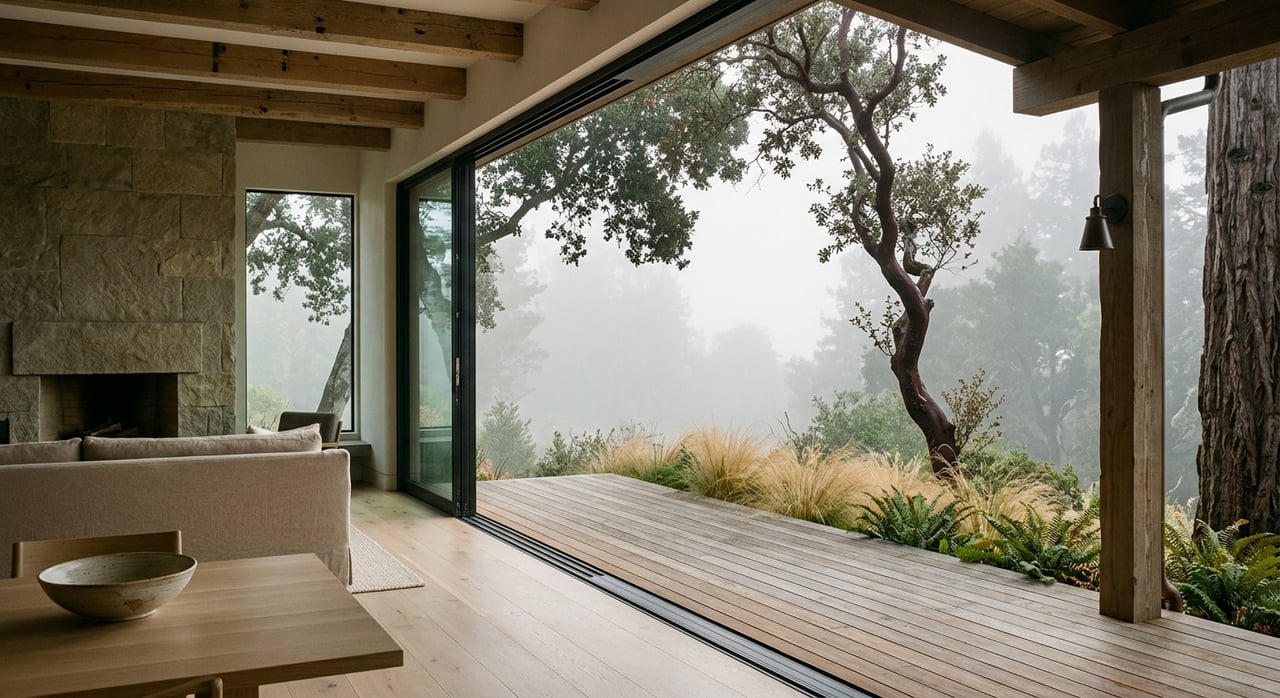
Experiencing The Big Sur Lifestyle From A Private Retreat

Experiencing The Big Sur Lifestyle From A Private Retreat

Read Post
Preparing To Sell A Home In Santa Lucia Preserve

Preparing To Sell A Home In Santa Lucia Preserve

Read Post
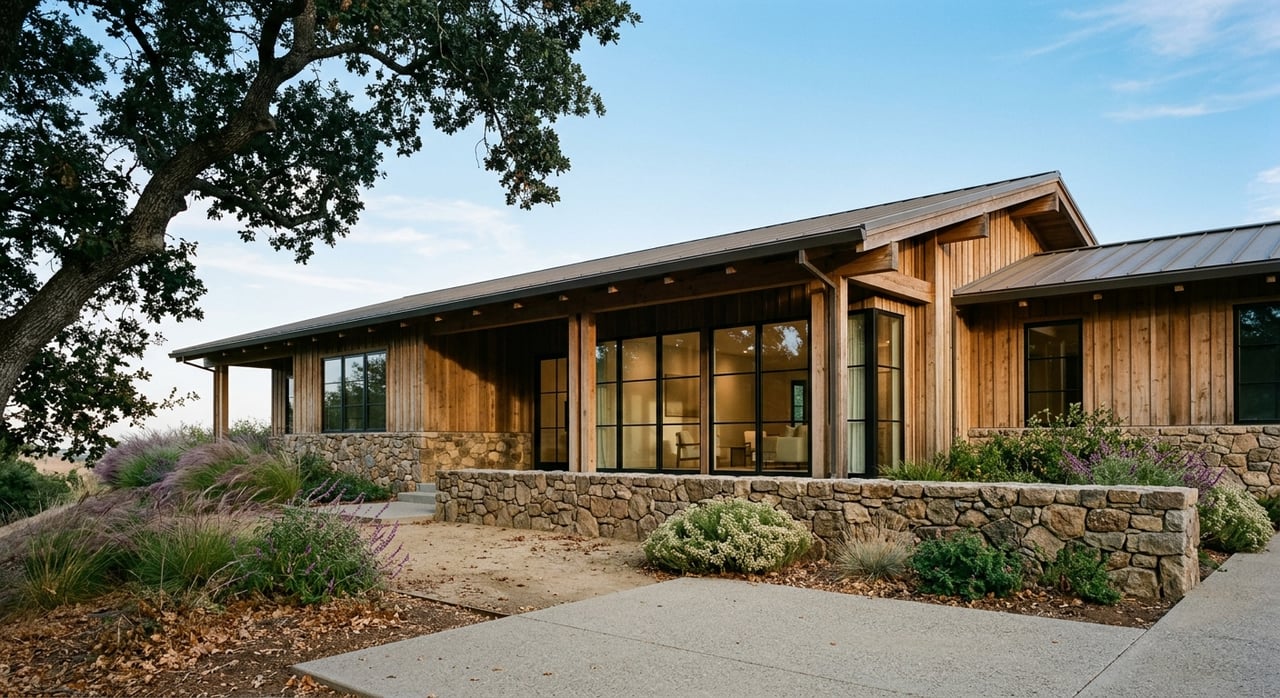
Reading The Monterey Luxury Market As A Bay Area Buyer

Reading The Monterey Luxury Market As A Bay Area Buyer

Read Post

Choosing the Right Homesite at Santa Lucia Preserve

Choosing the Right Homesite at Santa Lucia Preserve

Read Post
Choosing Between Carmel-by-the-Sea And Santa Lucia Preserve Retreats

Choosing Between Carmel-by-the-Sea And Santa Lucia Preserve Retreats

Read Post
Living In Monterey’s Historic Homes And Districts

Living In Monterey’s Historic Homes And Districts

Read Post
Designing A Home That Belongs In Big Sur

Designing A Home That Belongs In Big Sur

Read Post
Big Sur Living: Access, Services and Daily Realities

Big Sur Living: Access, Services and Daily Realities

Read Post
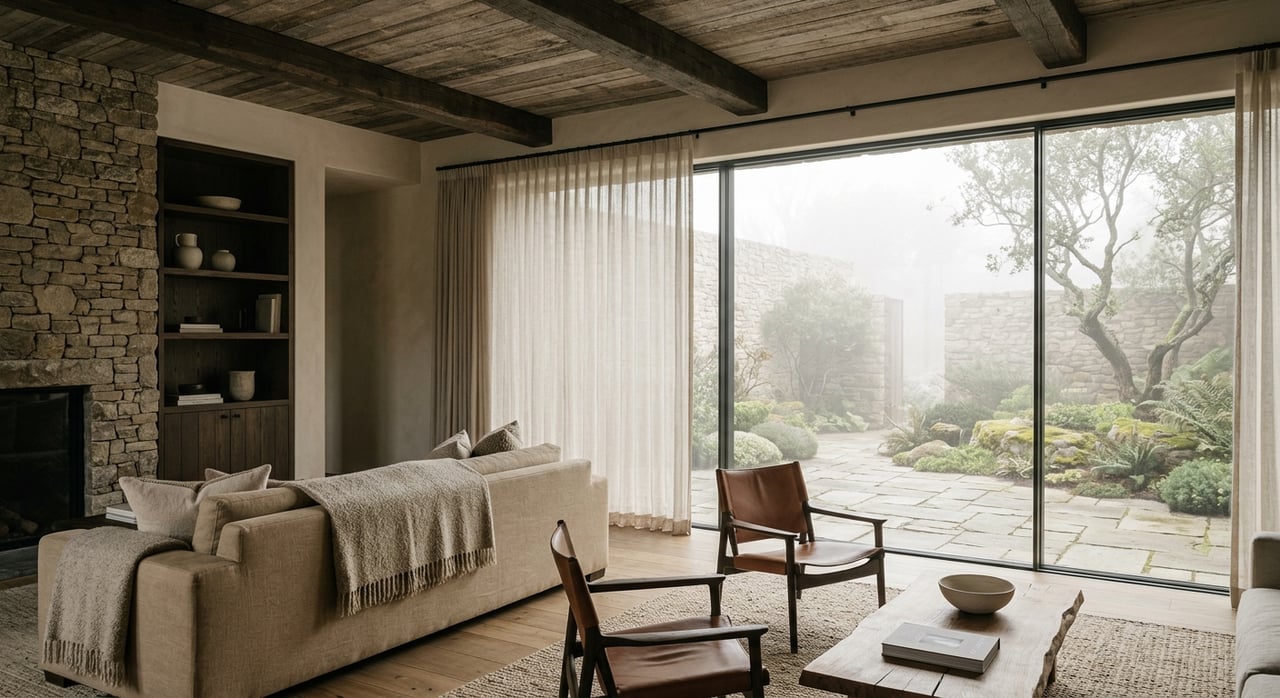
Discreetly Marketing A Pebble Beach Oceanview Home

Discreetly Marketing A Pebble Beach Oceanview Home

Read Post

New To Monterey? Utilities, Permits And Services Setup

New To Monterey? Utilities, Permits And Services Setup

Read Post
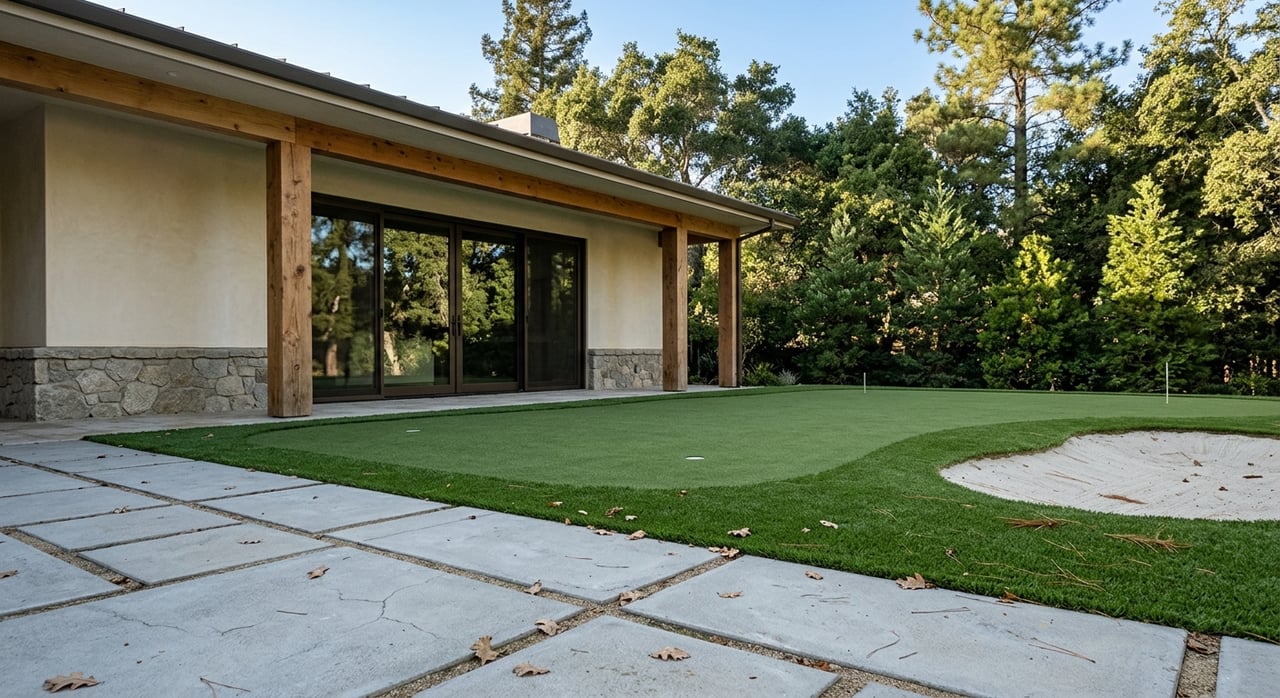
A Buyer’s Guide To Golf Estates In Pebble Beach

A Buyer’s Guide To Golf Estates In Pebble Beach

Read Post
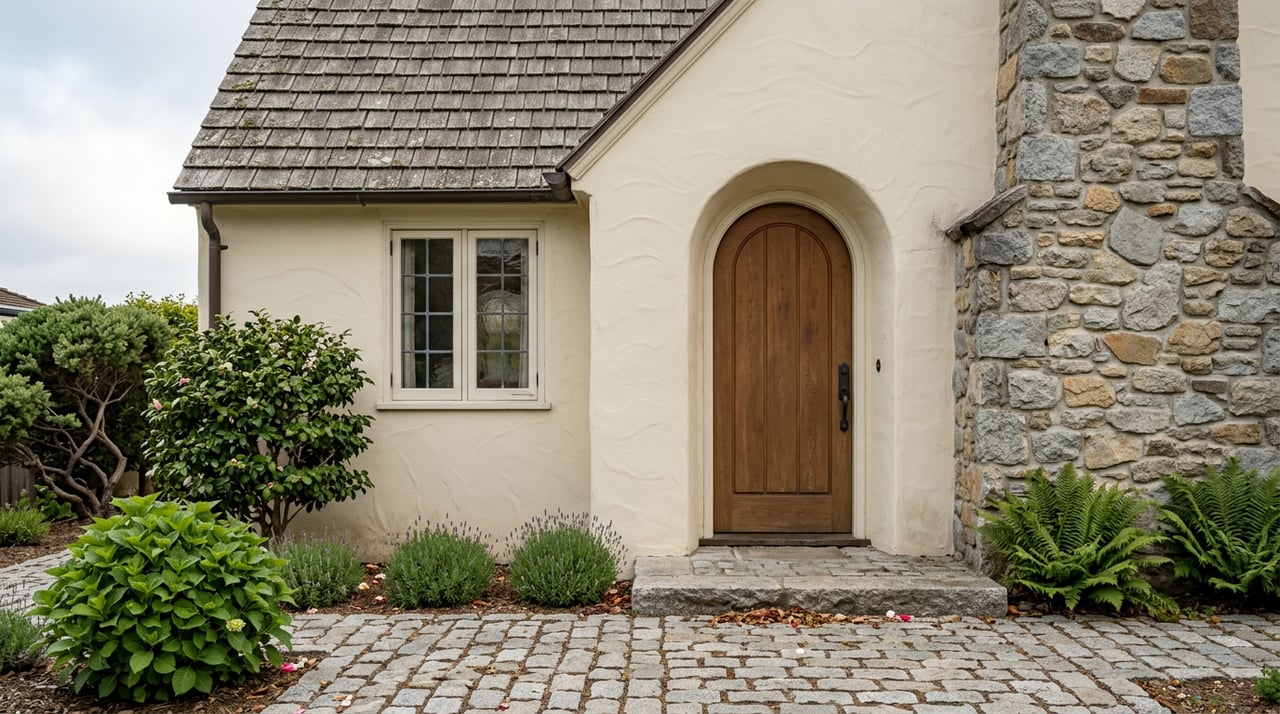
What It’s Like To Own A Cottage In Carmel-by-the-Sea

What It’s Like To Own A Cottage In Carmel-by-the-Sea

Read Post
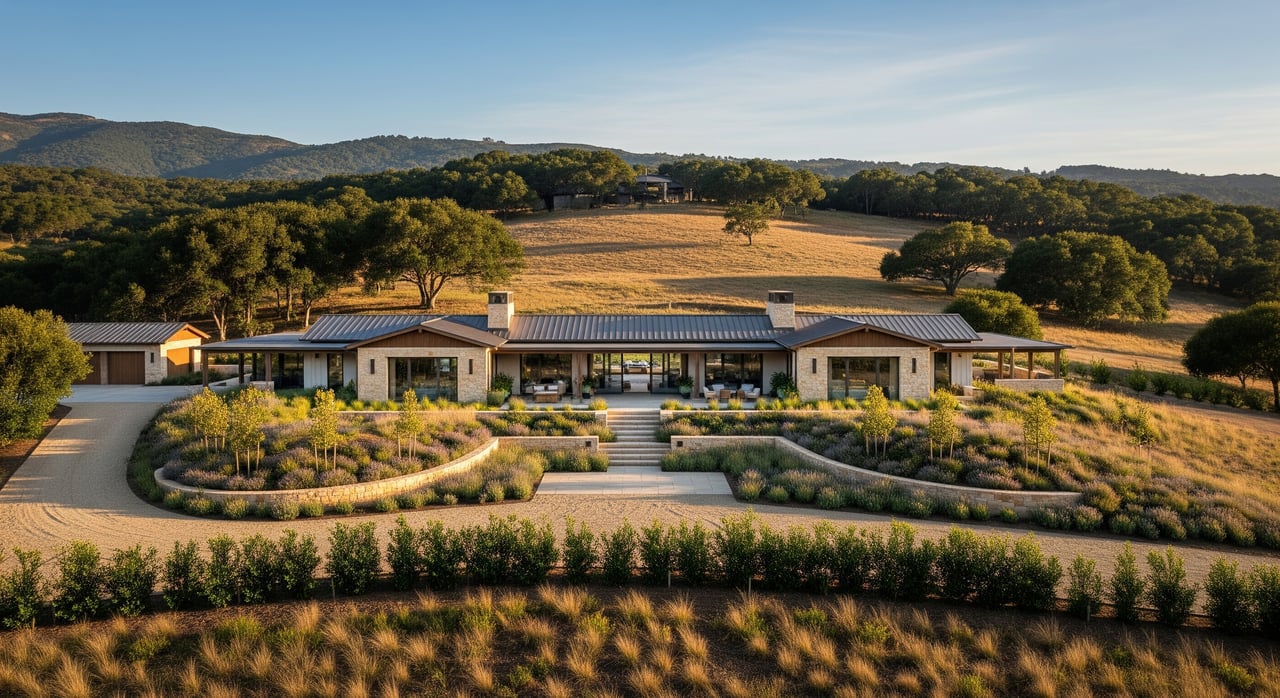
Conservation Easements in Carmel Valley: The Basics

Conservation Easements in Carmel Valley: The Basics

Read Post
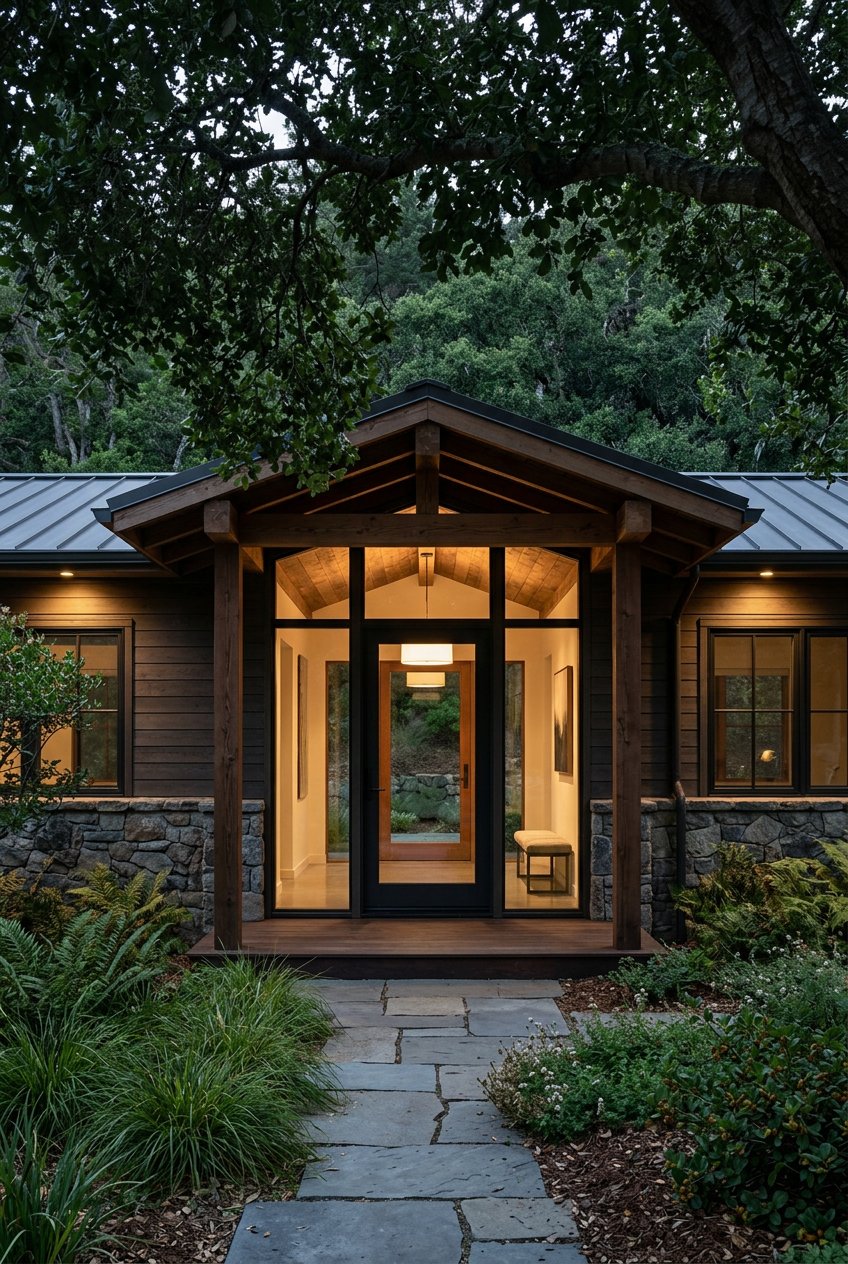
Selling A Legacy Ranch In Carmel Valley With Care

Selling A Legacy Ranch In Carmel Valley With Care

Read Post
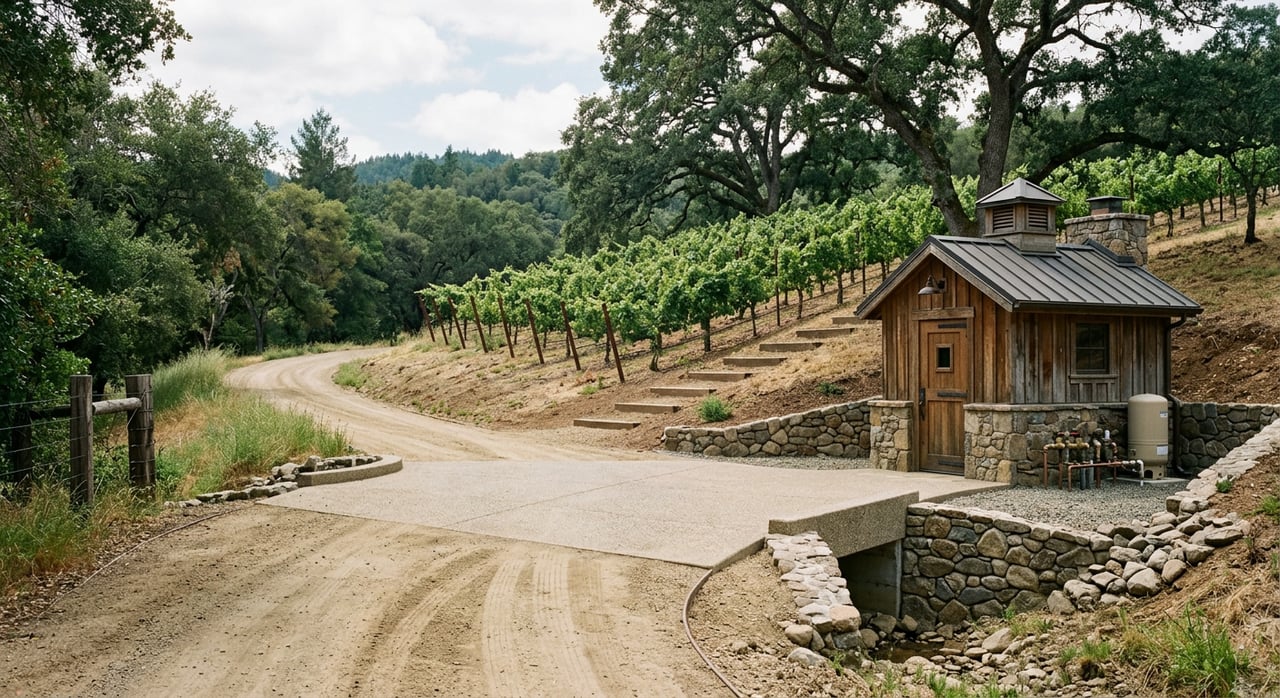
How To Evaluate A Ranch Or Vineyard Parcel In Carmel Valley

How To Evaluate A Ranch Or Vineyard Parcel In Carmel Valley

Read Post

Understanding Membership And Amenities At Santa Lucia Preserve

Understanding Membership And Amenities At Santa Lucia Preserve

Read Post
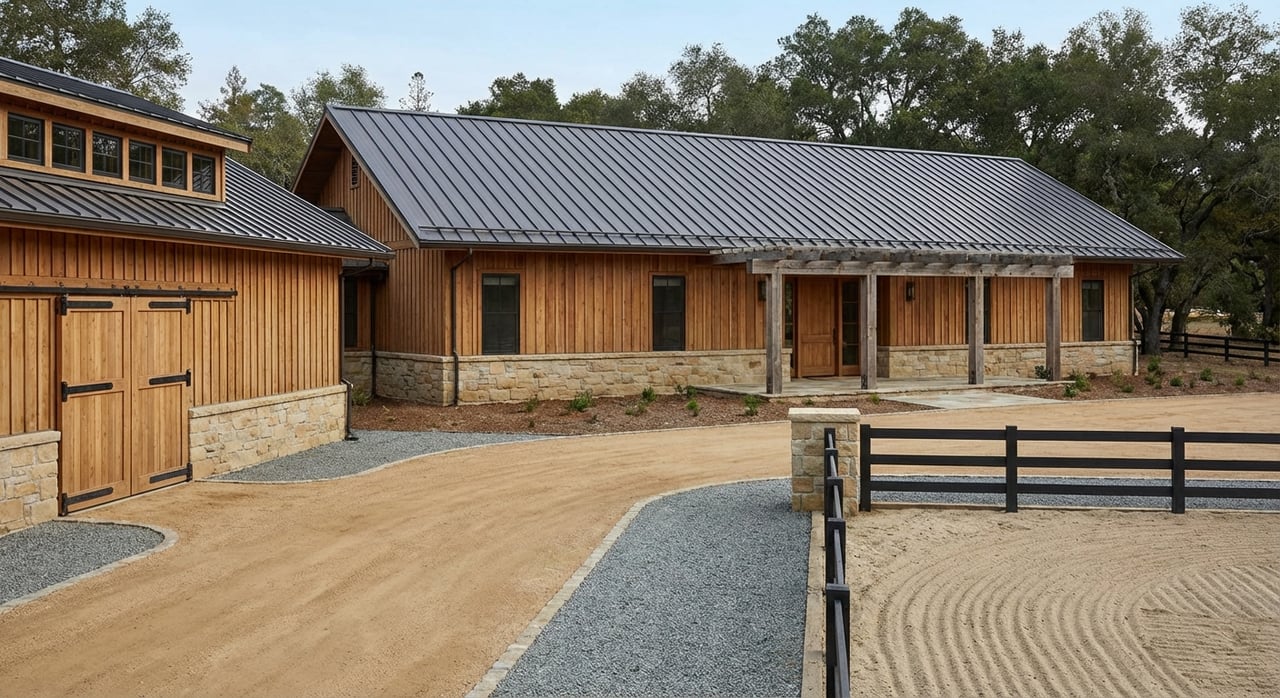
Equestrian Living In Carmel Valley

Equestrian Living In Carmel Valley

Read Post

Big Sur Coastal Development Permit: A Beginner’s Guide

Big Sur Coastal Development Permit: A Beginner’s Guide

Read Post
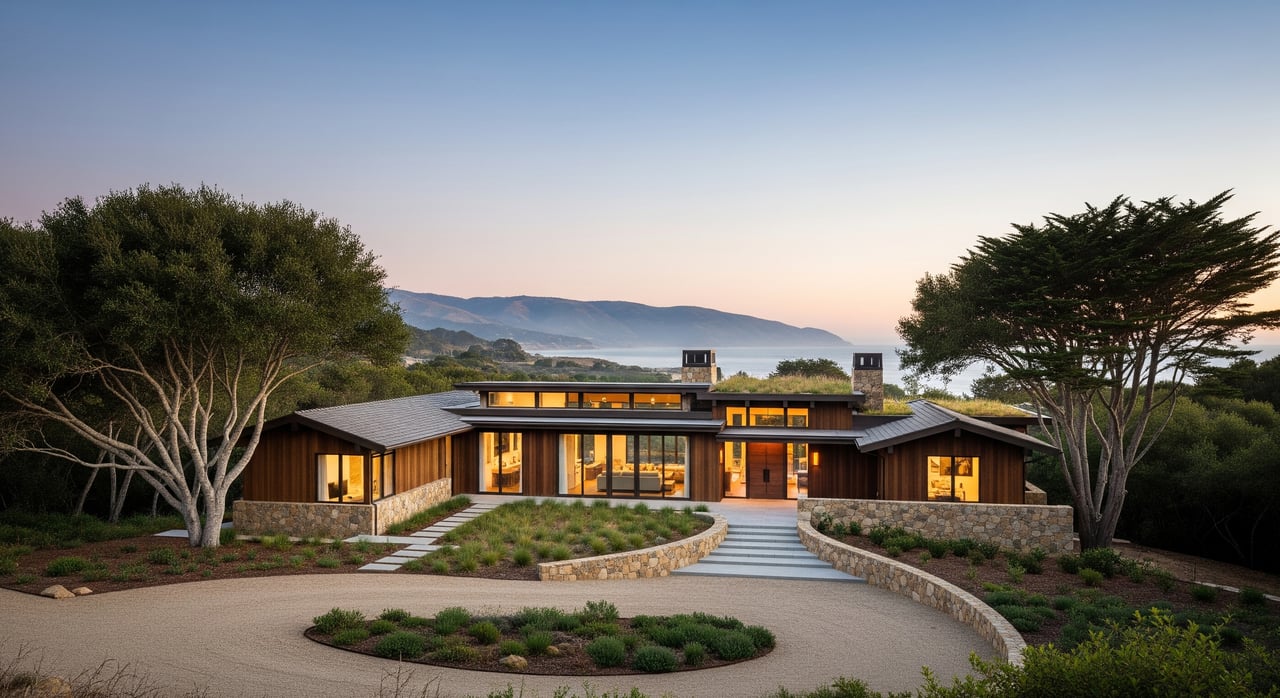
Building Envelopes at Santa Lucia Preserve Explained

Building Envelopes at Santa Lucia Preserve Explained

Read Post
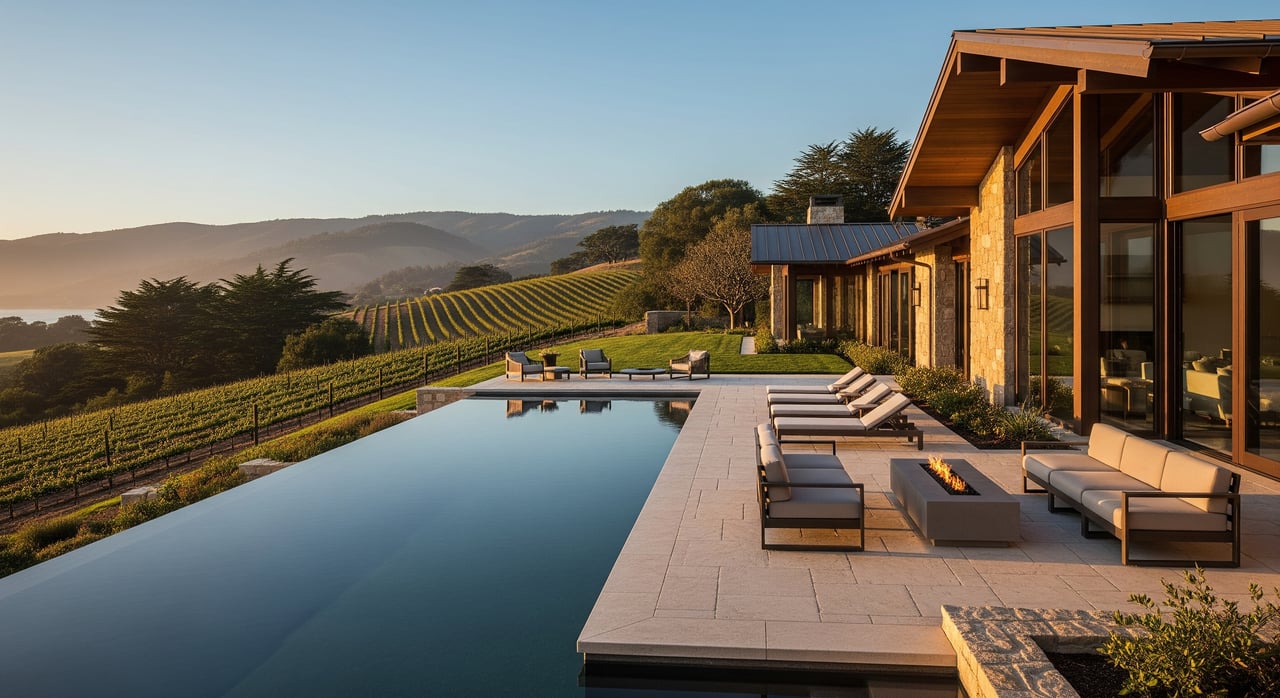
Carmel Valley vs. Carmel‑by‑the‑Sea: Which Fits You?

Carmel Valley vs. Carmel‑by‑the‑Sea: Which Fits You?

Read Post

Exploring Backcountry - Alan Drew

Exploring Backcountry - Alan Drew

In any season, adventure is only a few steps away, but each season presents different advantages.

Read Post
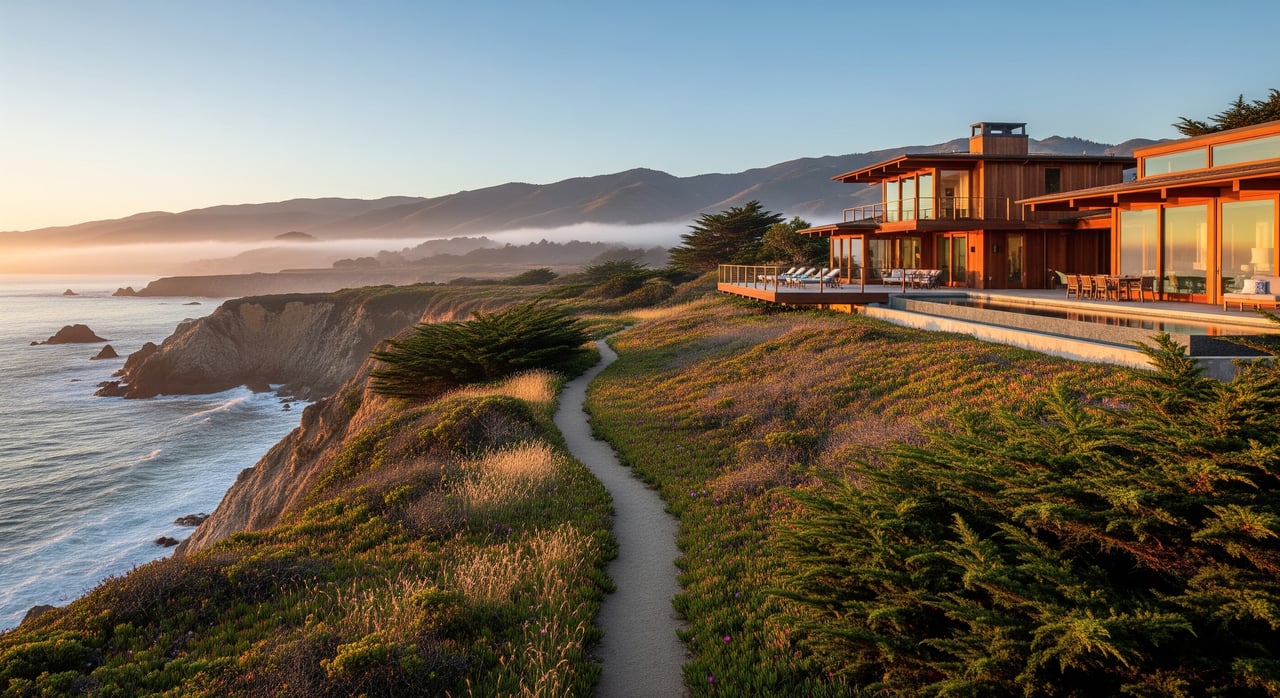
Scenic Easements In Big Sur Explained

Scenic Easements In Big Sur Explained

Read Post
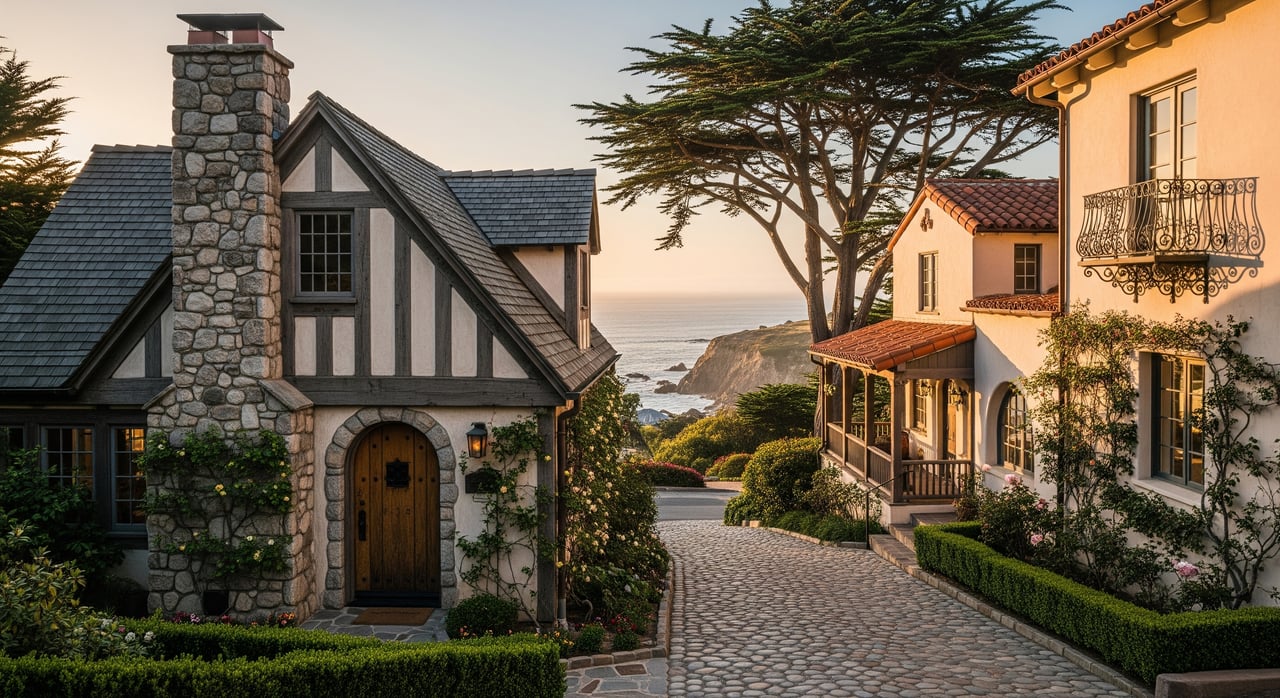
Architecture Styles That Define Carmel‑by‑the‑Sea

Architecture Styles That Define Carmel‑by‑the‑Sea

Read Post
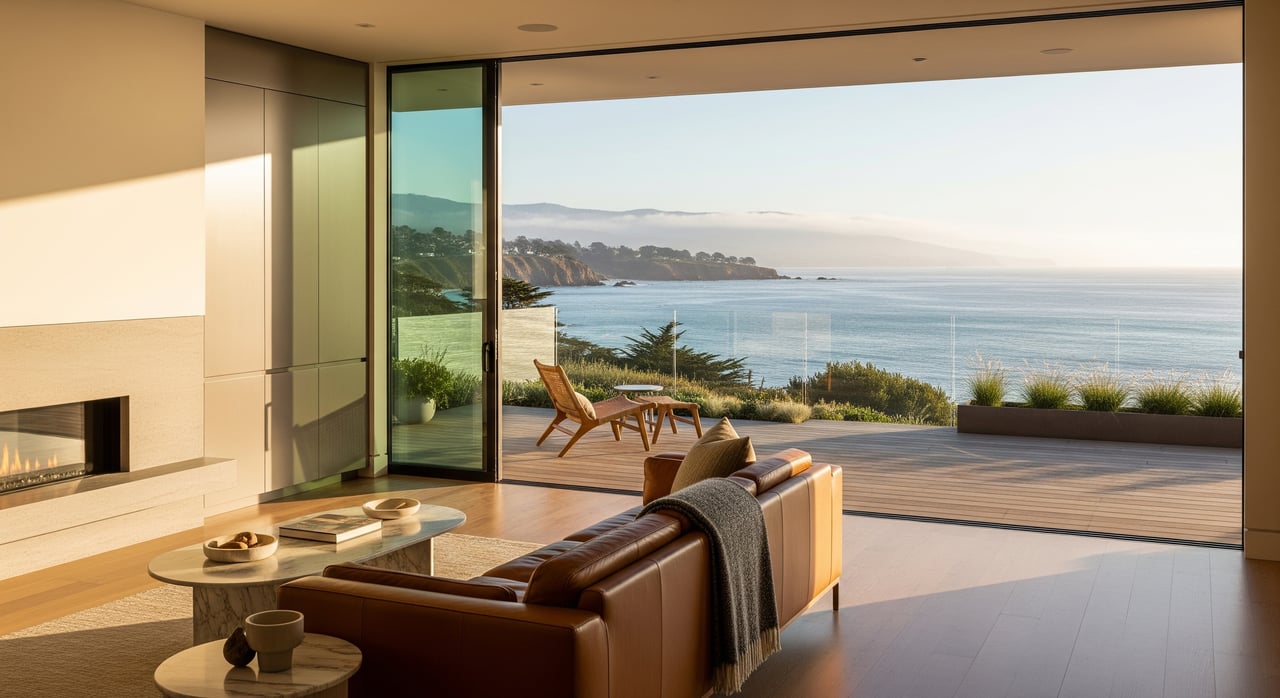
Condo vs. House for a Monterey Second Home

Condo vs. House for a Monterey Second Home

Read Post
How To Evaluate a Legacy Parcel in Pebble Beach

How To Evaluate a Legacy Parcel in Pebble Beach

Read Post
Car‑Light Living In Monterey Using The Coastal Trail

Car‑Light Living In Monterey Using The Coastal Trail

Read Post
Smart Home Upgrades Every Carmel-by-the-Sea Homeowner Needs

Real Estate

Smart Home Upgrades Every Carmel-by-the-Sea Homeowner Needs

Essential Smart Home Upgrades for Carmel-by-the-Sea Residents

Read Post
What “Off‑Market” Really Means in Monterey

What “Off‑Market” Really Means in Monterey

Read Post
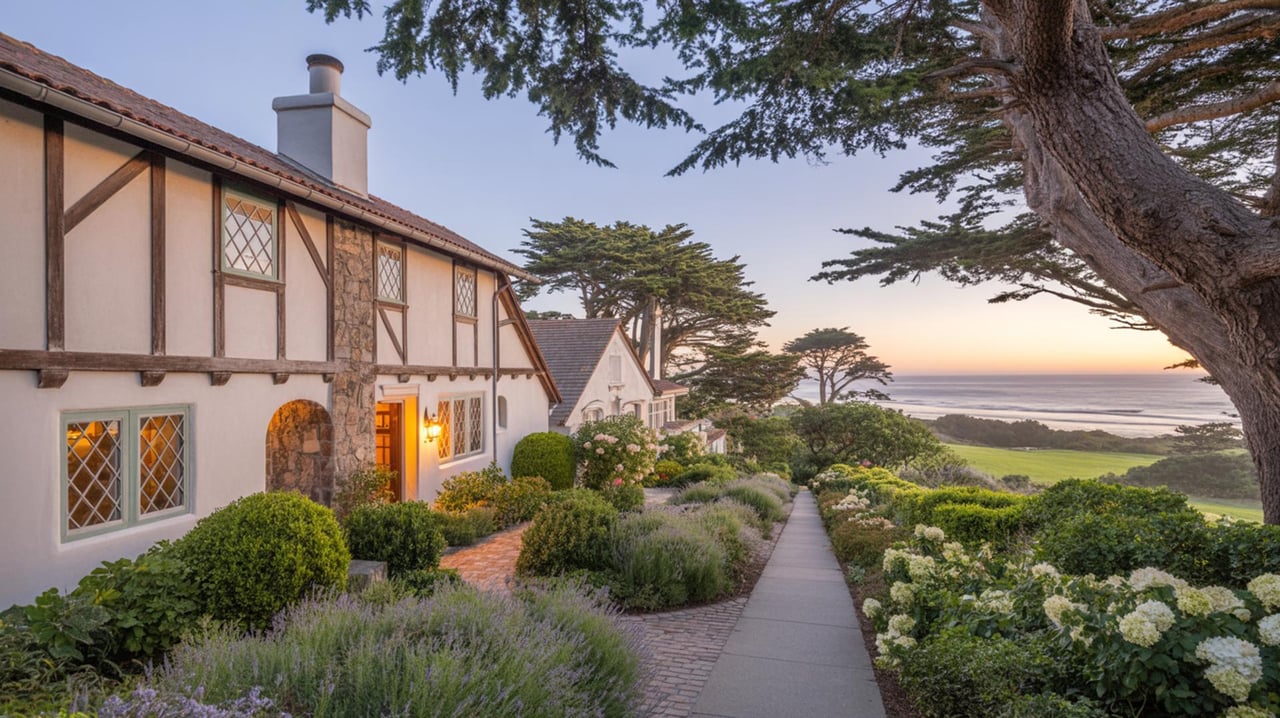
Choosing the Best Neighborhood in Carmel-by-the-Sea

Real Estate

Choosing the Best Neighborhood in Carmel-by-the-Sea

Discover Top Tips for Finding Your Ideal Community in Carmel-by-the-Sea

Read Post
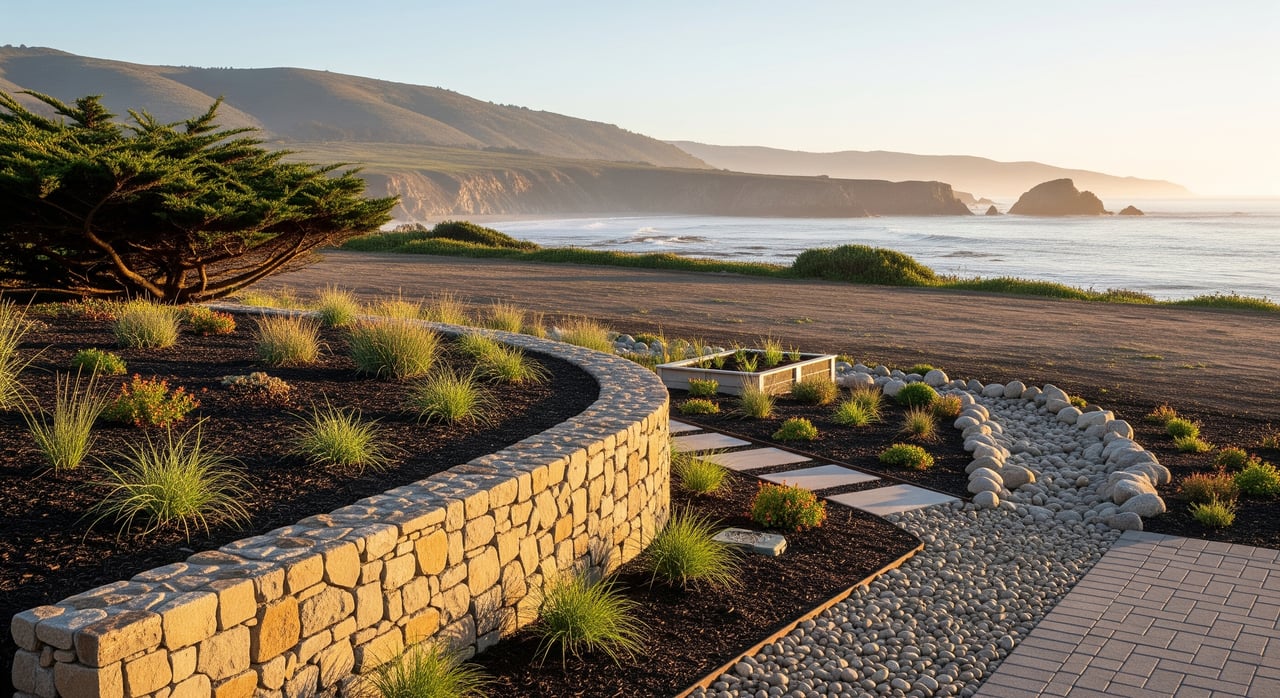
Coastal Drainage And Erosion Tips For Monterey Lots

Coastal Drainage And Erosion Tips For Monterey Lots

Read Post
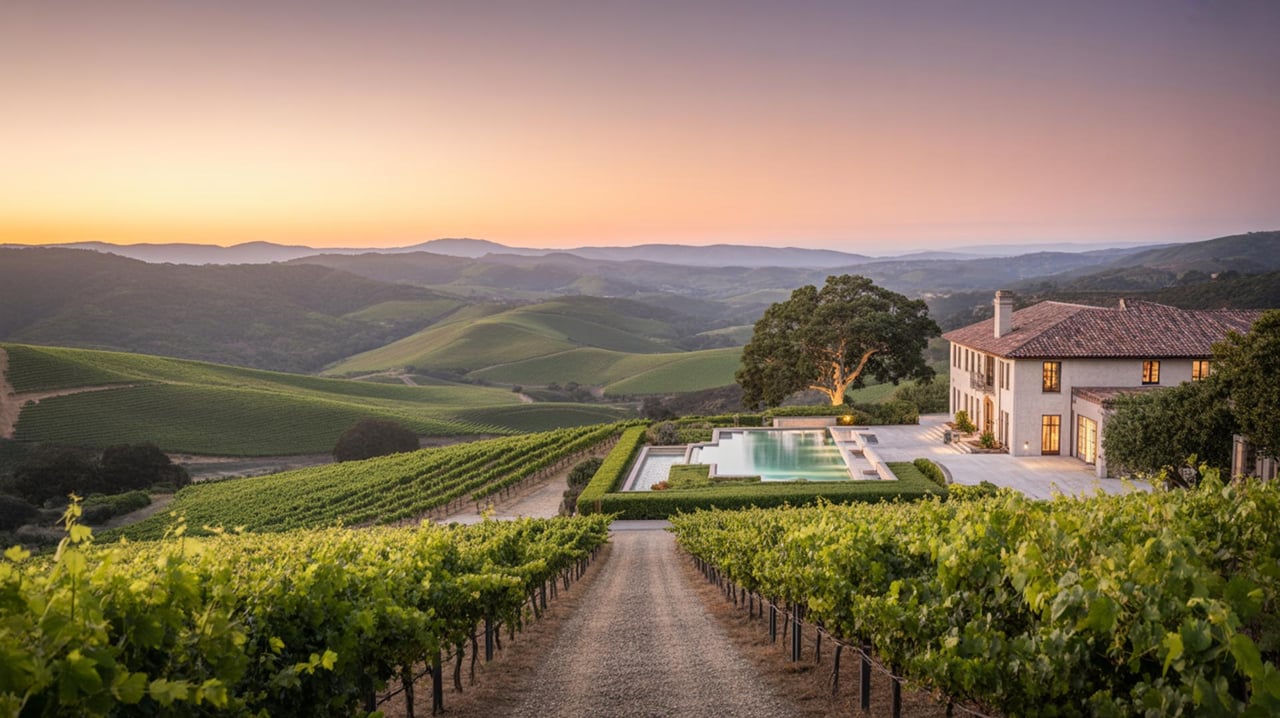
Top Outdoor Activities to Experience in Carmel Valley, CA

Lifestyle

Top Outdoor Activities to Experience in Carmel Valley, CA

Discover the Best Ways to Enjoy Nature in Carmel Valley

Read Post

How to Build Home Equity Faster in Pebble Beach, CA

Real Estate

How to Build Home Equity Faster in Pebble Beach, CA

Strategies to Boost Your Property's Value in Pebble Beach

Read Post
Unexpected Low-Cost Upgrades With the Highest ROI

Real Estate

Unexpected Low-Cost Upgrades With the Highest ROI

Maximize Your Home's Value in [City Name] Without Breaking the Bank

Read Post
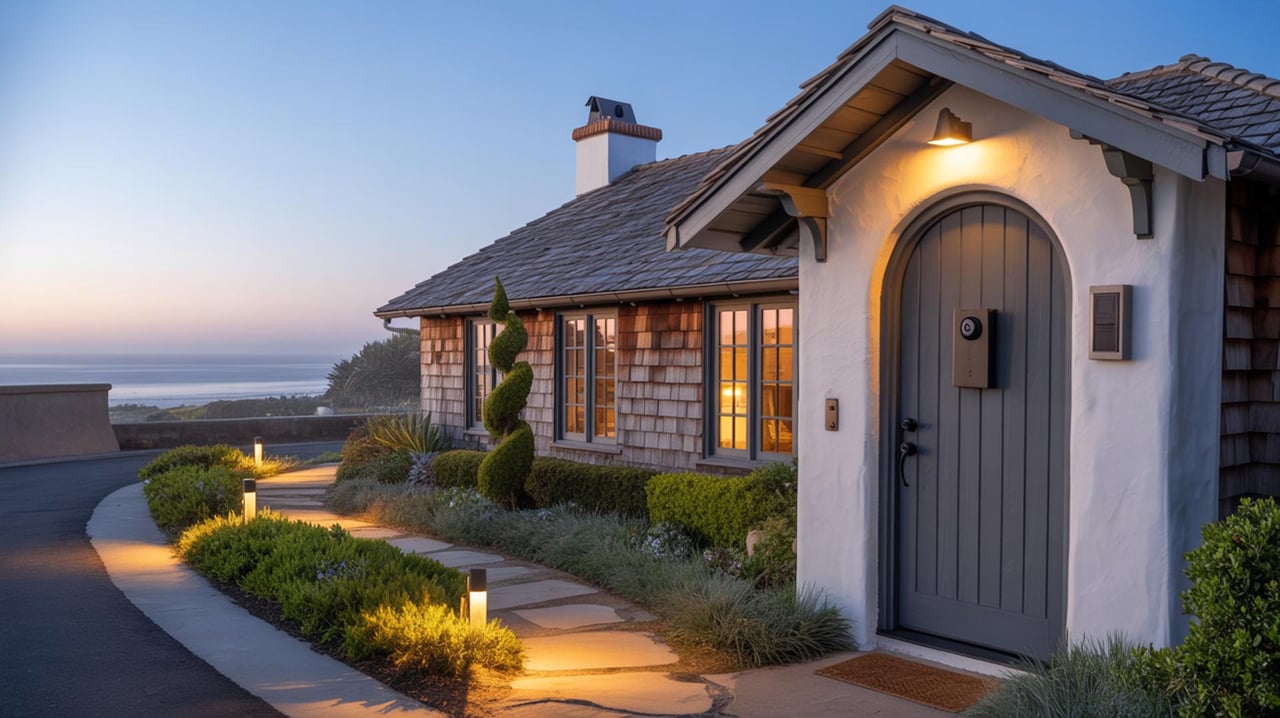
Essential Smart Home Upgrades for Carmel-by-the-Sea Homeowners

Real Estate

Essential Smart Home Upgrades for Carmel-by-the-Sea Homeowners

Practical Smart Home Upgrades to Boost Comfort, Security, and Energy Efficiency for Carmel-by-the-Sea Homeowners

Read Post
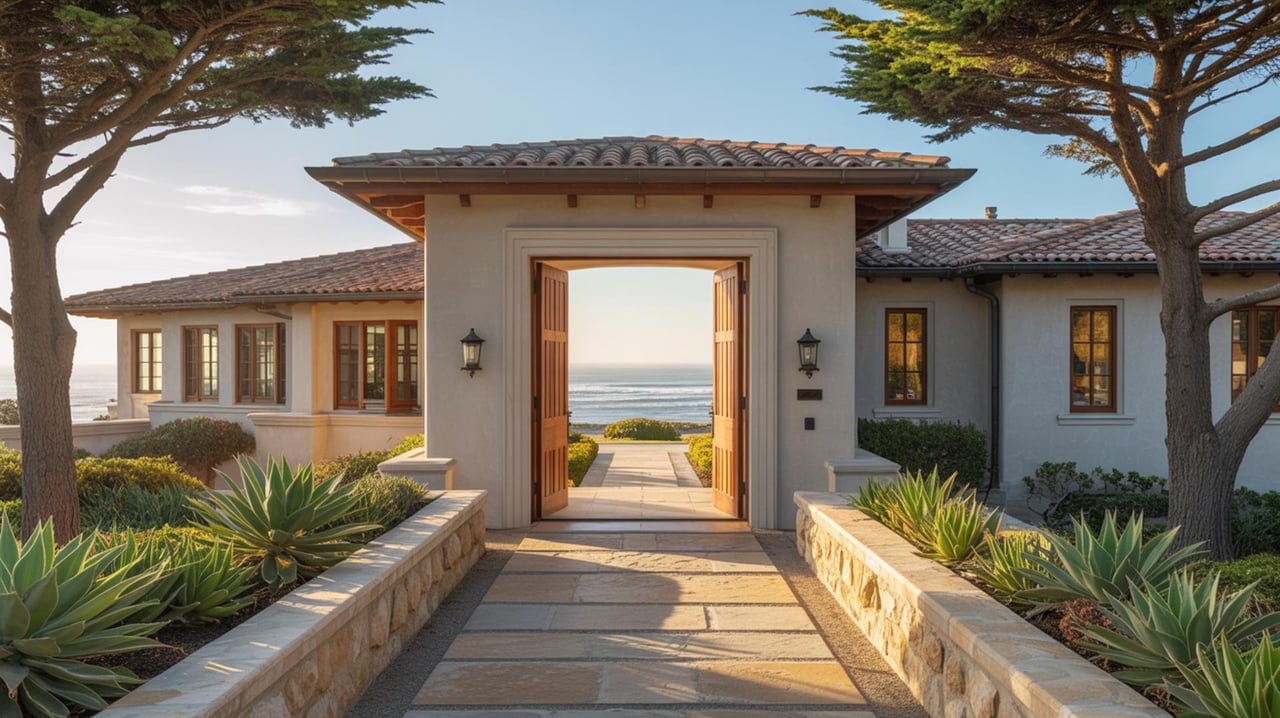
Key Questions to Ask During an Open House in Monterey, CA

Real Estate

Key Questions to Ask During an Open House in Monterey, CA

Essential Considerations for Homebuyers in Monterey

Read Post
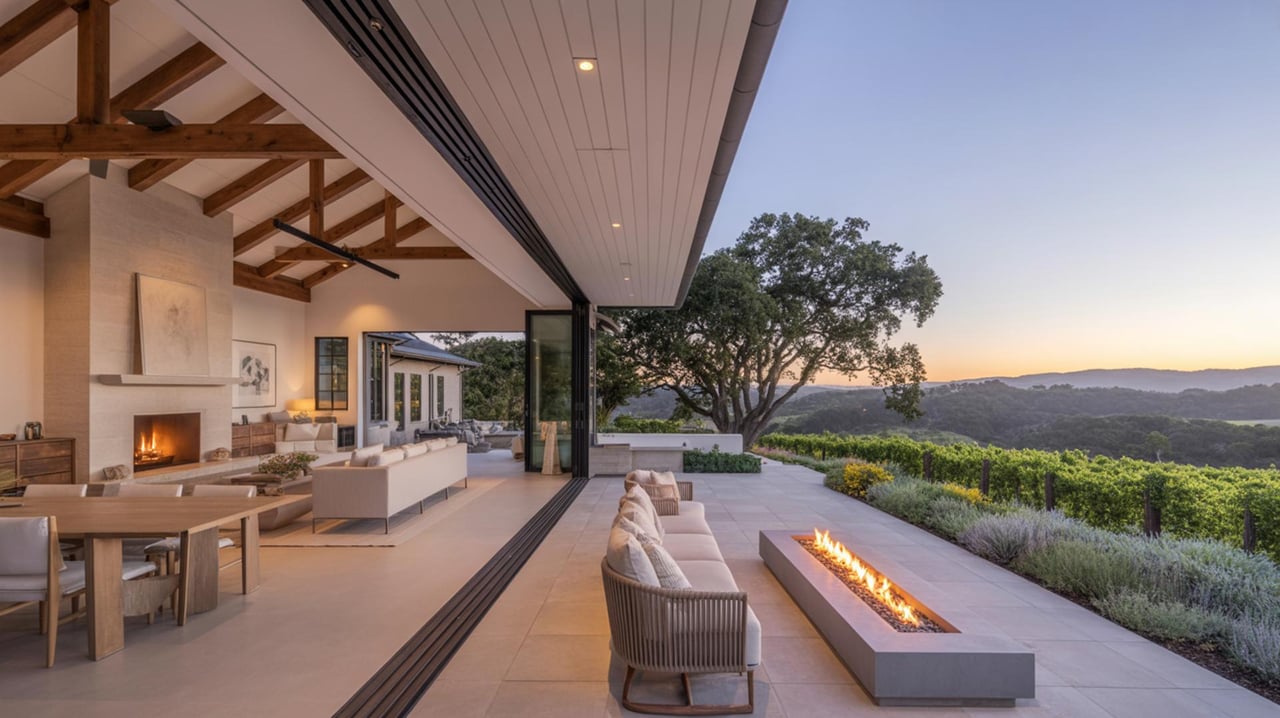
Home Design Trends in Carmel Valley, CA

Real Estate

Home Design Trends in Carmel Valley, CA

Exploring the Latest Innovations and Styles in Carmel Valley Home Design

Read Post
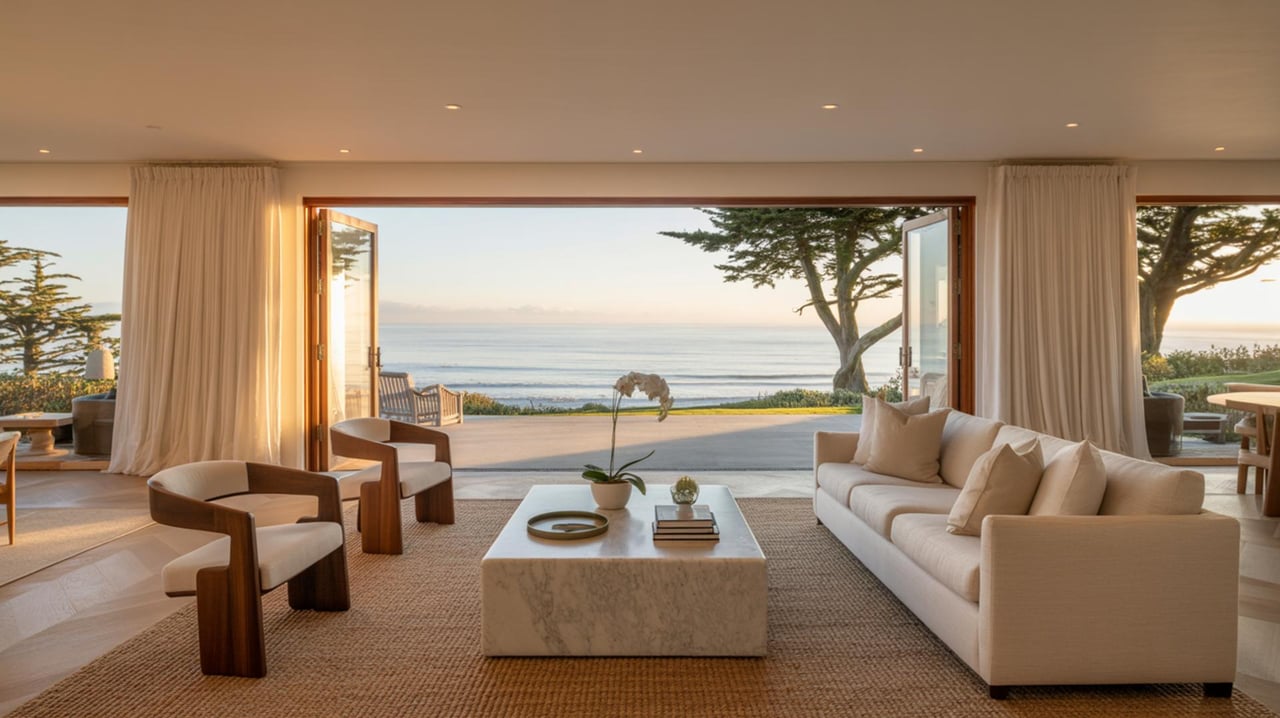
Staging Tips for a Quick Sale in Pebble Beach, CA

Real Estate

Staging Tips for a Quick Sale in Pebble Beach, CA

Essential Home Staging Strategies to Attract Buyers in Pebble Beach

Read Post
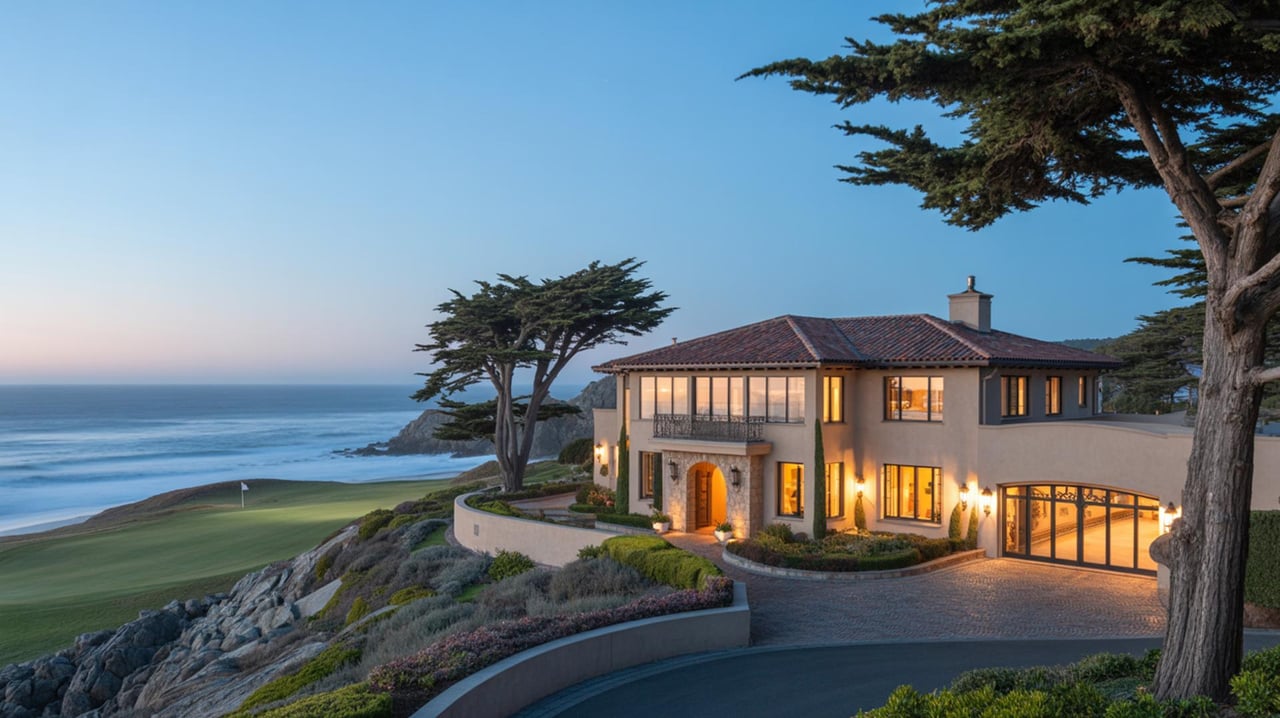
Your Guide to Buying a Home in Pebble Beach, CA

Real Estate

Your Guide to Buying a Home in Pebble Beach, CA

Discover Essential Tips and Insights for Home Buyers in Pebble Beach

Read Post
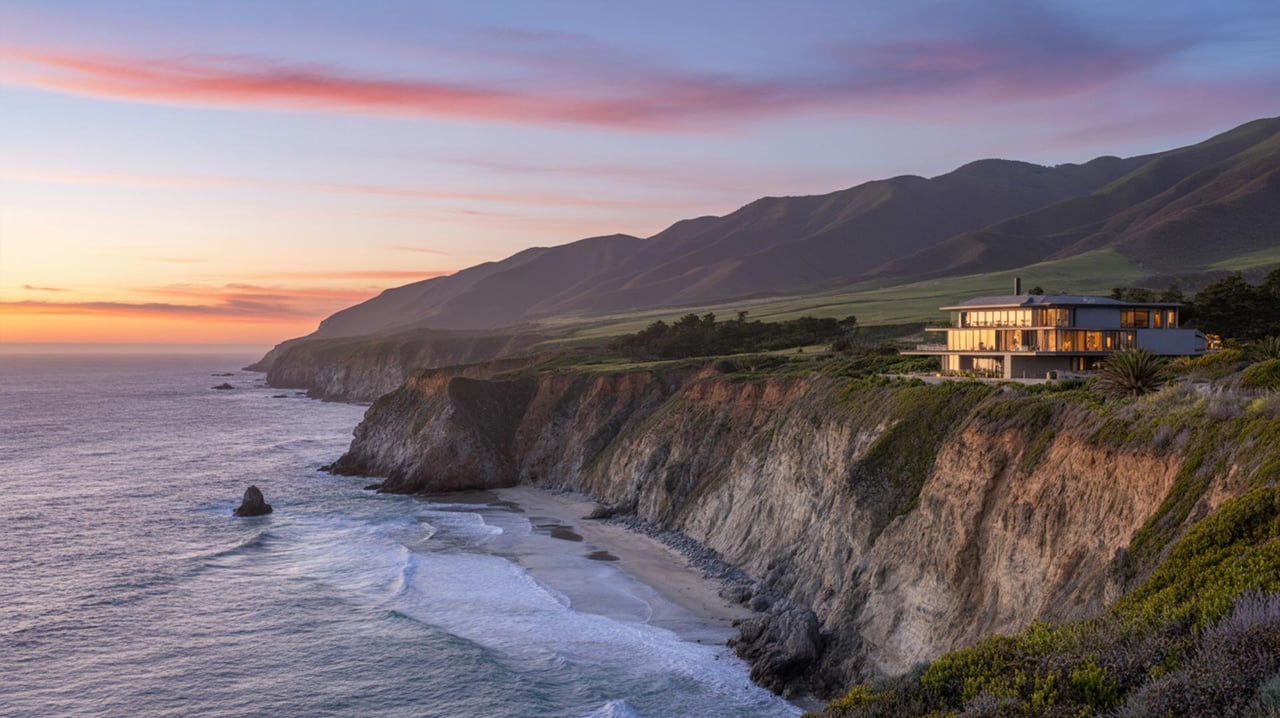
What You Need to Know About the Big Sur Real Estate Market

Real Estate

What You Need to Know About the Big Sur Real Estate Market

Insights and Tips for Navigating the Big Sur Real Estate Scene

Read Post

Recent Blog Post

01
02
03
04
05
06
07
08
09
010
011
012
013
014
015
016
017
018
019
020
021
022
023
024
025
026
027
028
029
030
031
032
033
034
035
036
037
038
039
040

View All

Follow Us