Leave a Message

By providing your contact information to La Tierra, your personal information will be processed in accordance with La Tierra's Privacy Policy. By checking the box(es) below, you consent to receive communications regarding your real estate inquiries and related marketing and promotional updates in the manner selected by you. For SMS text messages, message frequency varies. Message and data rates may apply. You may opt out of receiving further communications from La Tierra at any time. To opt out of receiving SMS text messages, reply STOP to unsubscribe.

Thank you for your message. We will be in touch with you shortly.

Blog

Living In Monterey’s Historic Homes And Districts

What does it really feel like to live amid Monterey’s oldest streets and storied buildings? If you are drawn to homes with architectural character, a strong sense of place, and a daily connection to local history, Monterey’s historic districts offer a living environment unlike most coastal markets. From landmark adobes to later-period buildings woven into the downtown core, this guide will help you understand the setting, the architecture, and the ownership considerations that come with historic property in Monterey. Let’s dive in.

Monterey’s Historic Core

Monterey’s downtown is part of a National Historic Landmark District, which is the highest level of national historic recognition noted in the city’s General Plan. The same plan explains that much of Monterey’s economic activity still takes place in historic areas, including downtown, Cannery Row, Wharf I, the Presidio of Monterey, Naval Postgraduate School, and Custom House Plaza. That means the city’s historic fabric is not tucked away from daily life. It remains central to how Monterey functions today.

The city also has an active preservation framework. According to Monterey’s General Plan, that framework includes a Historic Preservation Element, Historic Master Plan, citywide survey program, CEQA review, preservation ordinance, incentives, city-owned historic buildings, and historic records housed at the public library.

Historic Living Is Part of Downtown

Monterey’s historic environment is more than a collection of attractions. Monterey State Historic Park preserves several adobe buildings in downtown Monterey, and the Old Town National Historic Landmark District includes 21 residential, commercial, and public adobe buildings dating from 1814 to 1855.

For you as a buyer or homeowner, that matters because it shows how deeply residential and civic history are woven into the urban core. In Monterey, historic living is not separate from the city center. It is part of the center.

Architecture You’ll Notice First

If you spend time in Old Monterey, you will quickly see that the area does not read as one-note or uniform. The architecture reflects layers of building traditions, materials, and eras.

Monterey Colonial Style

One of the most recognized local styles is Monterey Colonial. The National Park Service notes that the Larkin House, built in the 1830s, became the prototype for the style by blending New England wood framing with Southwestern and adobe traditions.

A defining feature is the large second-story covered porch, which helped protect adobe walls from weather. If you are interested in architectural provenance, Monterey offers a style that is closely tied to the city itself rather than borrowed from somewhere else.

More Than Adobe Homes

A common assumption is that Monterey’s historic homes are all adobes. They are not. While adobe is foundational to Old Monterey’s identity, the historic district and surrounding historic setting also include later houses and civic buildings that broaden the visual character of the area.

The Royal Presidio Chapel was rebuilt in stone after earlier adobe structures, and the Old Custom House began as an 1827 adobe customs building before later expansion. Monterey’s Path of History also highlights sites such as Colton Hall and Stevenson House, reinforcing that the city’s built history spans multiple building types and periods.

What Daily Life Feels Like

Living near Monterey’s historic districts can feel compact, connected, and highly walkable, especially compared with more car-dependent residential areas. The city’s Path of History is a self-guided two-mile route marked by yellow pavement markers and links key sites including Colton Hall, the Custom House, the Royal Presidio Chapel, and Stevenson House.

The route was created in 1939 to highlight the principal historic buildings and sites of Old Monterey. Today, it still helps define the experience of moving through downtown on foot, with many historic structures and interpretive facilities extending outward from the Fisherman’s Wharf area.

Walkable, But Not Car-Free

Walkability is part of the appeal, but it is helpful to approach the area with realistic expectations. According to California State Parks’ accessibility information for Monterey State Historic Park, the area is hilly in places, parking is handled through city garages and lots, and some historic structures are open only by guided tour at specific times.

In practical terms, that means your day-to-day experience may include easy access to plazas, museums, dining, waterfront areas, and downtown services, while also requiring some planning around parking and topography. Historic districts often reward people who enjoy walking and being immersed in a place, but they also come with the quirks of older street patterns and visitor activity.

Preservation Rules Matter

If you are considering buying or improving a historic property in Monterey, preservation review is an important part of the picture. Monterey’s current zoning map shows Historic H1 and Historic H2 overlays.

The city’s design guidelines explain that H1 applies to the most important statewide, national, or international resources, while H2 applies to locally significant resources. Within the Old Town National Historic Landmark District, the guidelines address alterations, additions, new construction, and site work.

What That Means for Owners

Owning a historic home can offer real distinction, but it also means changes may be reviewed more carefully than they would be elsewhere. Monterey’s historic design guidelines say the city’s preservation system is carried out through the General Plan, Historic Master Plan, Historic Preservation Ordinance, and review by the Historic Preservation Commission.

The same guidelines note that historic resource surveys are reviewed every five years. The city’s General Plan also emphasizes that historic resources are protected through active reuse as well as preservation, which is an important point for buyers who want to understand how these properties continue to function in contemporary life.

Remodeling a Historic Property

Can you remodel a historic property in Monterey? Sometimes, yes, but the answer depends on the property, its designation, and the scope of the work.

Projects involving H-zoned properties or properties inside the Old Town district may be subject to city review and design guidelines. In other words, updates are not necessarily off the table, but they are not purely a matter of private preference either. If you are drawn to a historic home, it is wise to evaluate improvement plans early so you understand the local review path before making major assumptions.

Potential Tax Incentives

Historic ownership can also come with possible financial benefits. California’s Mills Act program is the state’s primary property-tax incentive for qualified historic buildings, and Monterey is listed by the state as a Mills Act contact jurisdiction.

That does not mean every historic property will qualify. It does mean the Mills Act is a relevant point to explore when a property appears to meet local criteria. For buyers comparing carrying costs on historic homes, this can be a meaningful question to raise during due diligence.

Why Buyers Are Drawn Here

For many buyers, Monterey’s historic districts offer something that is hard to replicate in newer neighborhoods: a daily sense of continuity. You are not just near historic landmarks. You are living in a setting shaped by preserved civic spaces, long-standing building traditions, and a downtown pattern that still reflects earlier eras.

There is also a practical appeal. Historic Monterey places you close to the waterfront, downtown shops and restaurants, public spaces, and cultural sites, all within a part of the city that remains active and relevant rather than purely ceremonial.

Questions to Ask Before You Buy

If you are seriously considering a historic home or property near Monterey’s landmark districts, it helps to look beyond charm alone. A thoughtful review can help you understand both the opportunity and the obligations tied to ownership.

Consider asking:

  • Is the property within an H1 or H2 historic overlay?
  • Is it located inside the Old Town National Historic Landmark District?
  • What types of alterations or additions may require review?
  • Are there existing records on prior approvals or preservation-related work?
  • Could the property be a candidate for Mills Act consideration?
  • How do parking, access, and topography affect day-to-day use?

These are not reasons to avoid a historic property. They are simply part of buying with clarity.

A Stewardship Mindset Helps

Historic homes often appeal to buyers who value craftsmanship, architectural identity, and long-term custodianship. In Monterey, that mindset aligns well with the city’s emphasis on preservation and active reuse.

If you are exploring Monterey’s historic districts, it helps to work with advisors who understand how character, regulations, and location interact. To talk through Monterey Peninsula property opportunities with a local, stewardship-minded perspective, connect with La Tierra.

FAQs

What is the historic district in downtown Monterey?

  • Downtown Monterey is part of a National Historic Landmark District, which Monterey’s General Plan identifies as the highest level of national historic recognition.

Are Monterey historic homes all adobe buildings?

  • No. Adobe buildings are central to Old Monterey’s identity, but the area also includes Monterey Colonial architecture and later historic homes and civic buildings.

What is Monterey Colonial architecture in Monterey?

  • Monterey Colonial is a style associated with the city and exemplified by the Larkin House, blending New England framing with Southwestern and adobe traditions, often with a second-story covered porch.

Can you remodel a historic home in Monterey?

  • Sometimes, but properties in H-zoned areas or within the Old Town district may be subject to city review, design guidelines, and Historic Preservation Commission oversight.

Does Monterey offer tax incentives for historic properties?

  • Possibly. California’s Mills Act is the main property-tax incentive for qualified historic buildings, and Monterey is listed as a participating contact jurisdiction.

What is daily life like near Monterey’s historic district?

  • Many people experience the area as walkable and connected to downtown, plazas, museums, dining, and the waterfront, though the area is also hilly in places and parking often relies on city garages and lots.

What is the Path of History in Monterey?

  • The Path of History is a self-guided two-mile route through Old Monterey marked by yellow pavement markers that links major historic sites such as Colton Hall, the Custom House, and the Royal Presidio Chapel.

Recent Blog Post

Daily Life At Santa Lucia Preserve

Daily Life At Santa Lucia Preserve

Read Post
Experiencing The Big Sur Lifestyle From A Private Retreat

Experiencing The Big Sur Lifestyle From A Private Retreat

Read Post
Preparing To Sell A Home In Santa Lucia Preserve

Preparing To Sell A Home In Santa Lucia Preserve

Read Post
Reading The Monterey Luxury Market As A Bay Area Buyer

Reading The Monterey Luxury Market As A Bay Area Buyer

Read Post
Choosing the Right Homesite at Santa Lucia Preserve

Choosing the Right Homesite at Santa Lucia Preserve

Read Post
Choosing Between Carmel-by-the-Sea And Santa Lucia Preserve Retreats

Choosing Between Carmel-by-the-Sea And Santa Lucia Preserve Retreats

Read Post
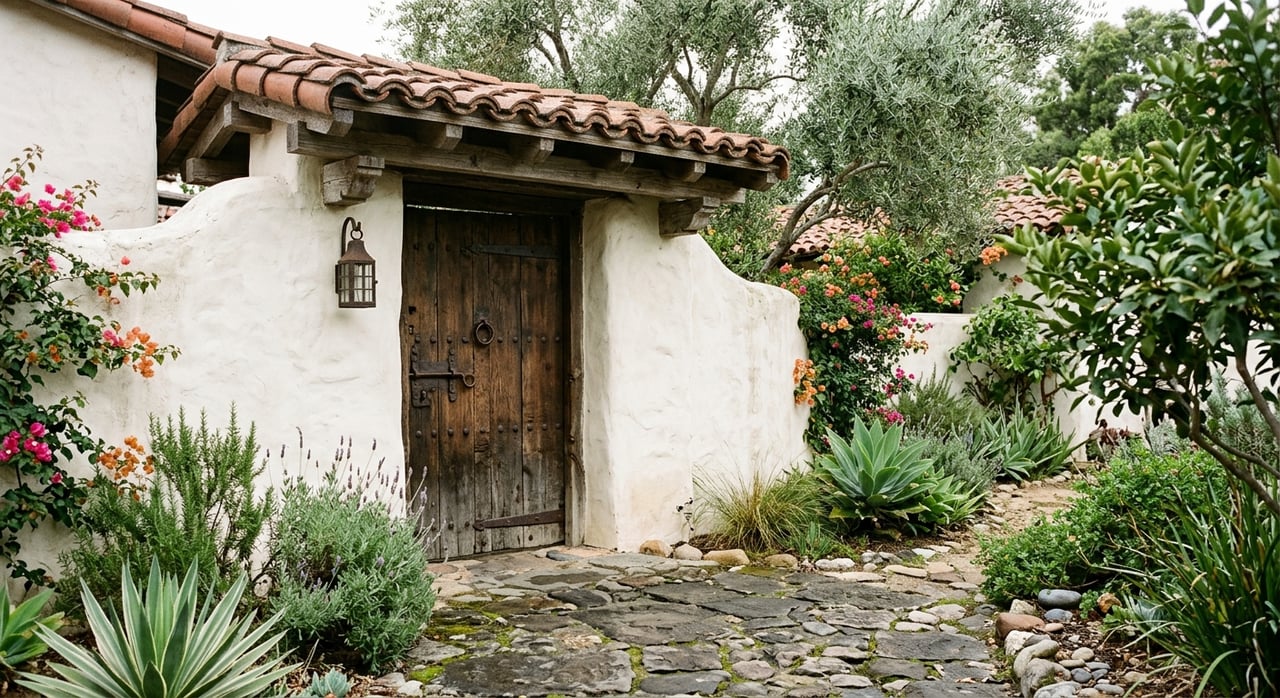
Living In Monterey’s Historic Homes And Districts

Living In Monterey’s Historic Homes And Districts

Read Post
Designing A Home That Belongs In Big Sur

Designing A Home That Belongs In Big Sur

Read Post
Big Sur Living: Access, Services and Daily Realities

Big Sur Living: Access, Services and Daily Realities

Read Post
Discreetly Marketing A Pebble Beach Oceanview Home

Discreetly Marketing A Pebble Beach Oceanview Home

Read Post
New To Monterey? Utilities, Permits And Services Setup

New To Monterey? Utilities, Permits And Services Setup

Read Post
A Buyer’s Guide To Golf Estates In Pebble Beach

A Buyer’s Guide To Golf Estates In Pebble Beach

Read Post
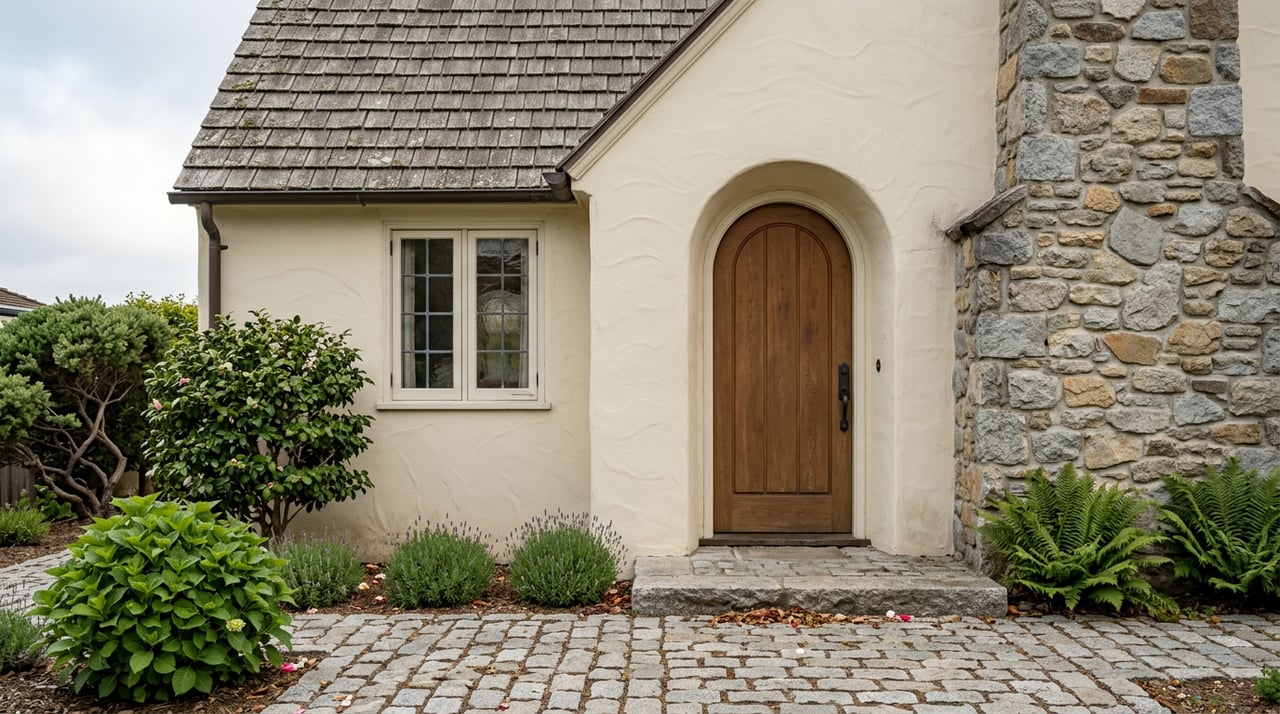
What It’s Like To Own A Cottage In Carmel-by-the-Sea

What It’s Like To Own A Cottage In Carmel-by-the-Sea

Read Post
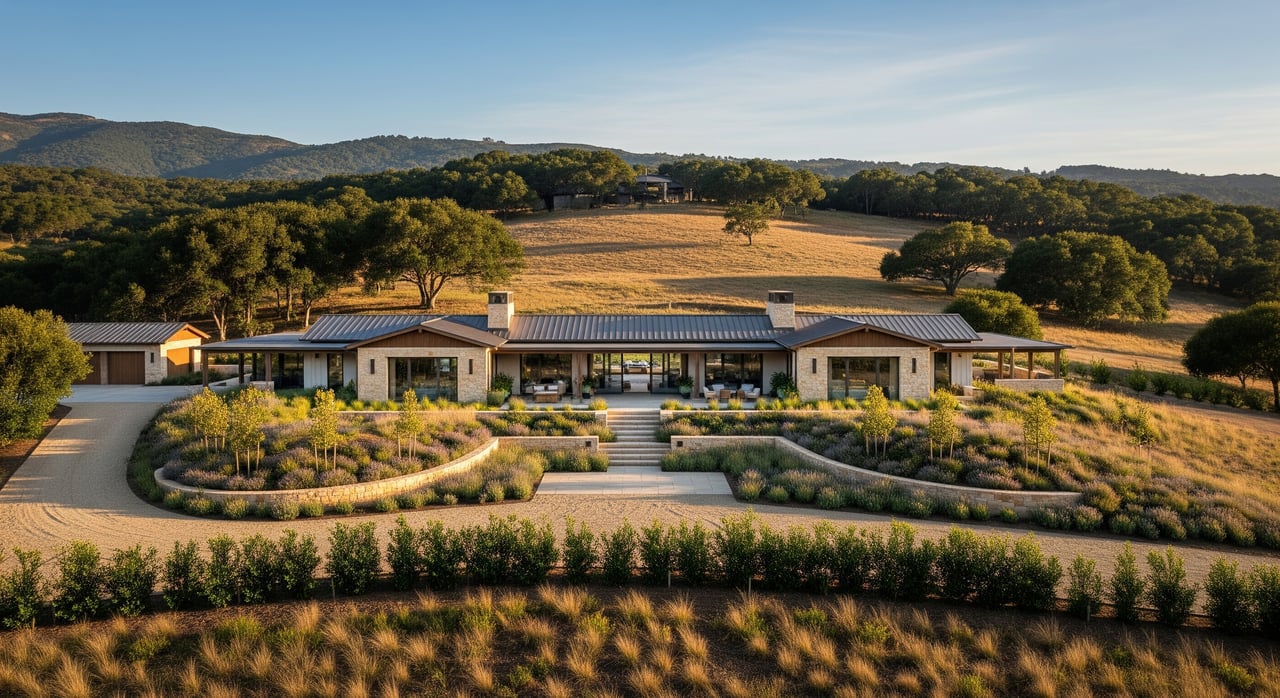
Conservation Easements in Carmel Valley: The Basics

Conservation Easements in Carmel Valley: The Basics

Read Post
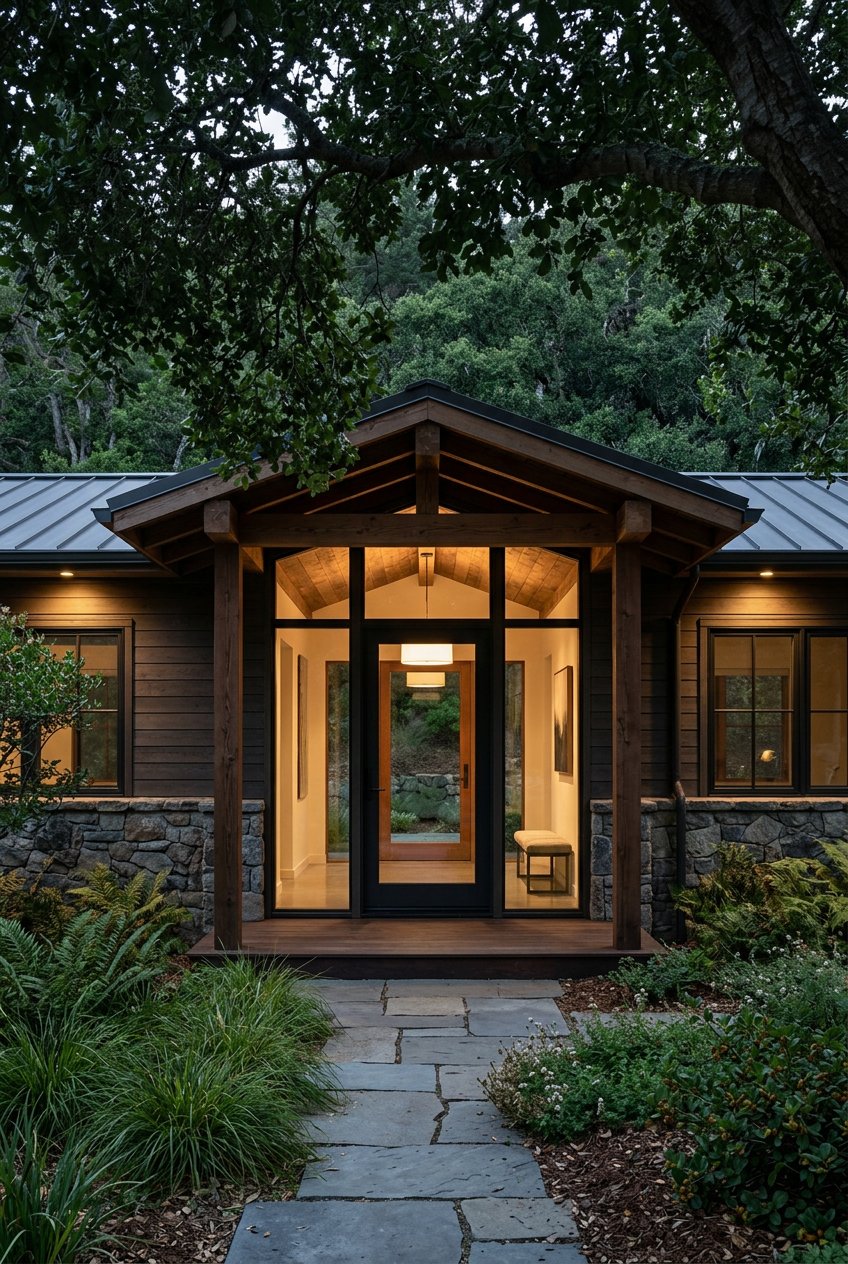
Selling A Legacy Ranch In Carmel Valley With Care

Selling A Legacy Ranch In Carmel Valley With Care

Read Post
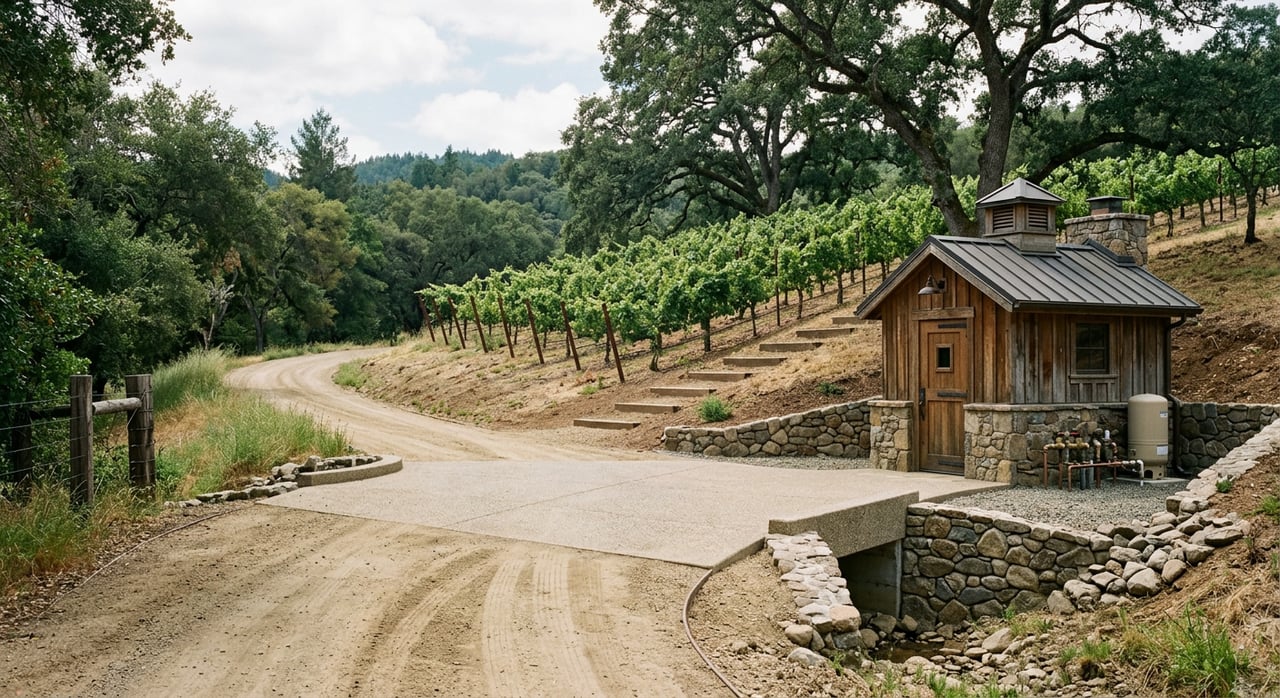
How To Evaluate A Ranch Or Vineyard Parcel In Carmel Valley

How To Evaluate A Ranch Or Vineyard Parcel In Carmel Valley

Read Post

Understanding Membership And Amenities At Santa Lucia Preserve

Understanding Membership And Amenities At Santa Lucia Preserve

Read Post
Equestrian Living In Carmel Valley

Equestrian Living In Carmel Valley

Read Post

Big Sur Coastal Development Permit: A Beginner’s Guide

Big Sur Coastal Development Permit: A Beginner’s Guide

Read Post
Building Envelopes at Santa Lucia Preserve Explained

Building Envelopes at Santa Lucia Preserve Explained

Read Post

Carmel Valley vs. Carmel‑by‑the‑Sea: Which Fits You?

Carmel Valley vs. Carmel‑by‑the‑Sea: Which Fits You?

Read Post

Exploring Backcountry - Alan Drew

Exploring Backcountry - Alan Drew

In any season, adventure is only a few steps away, but each season presents different advantages.

Read Post
Scenic Easements In Big Sur Explained

Scenic Easements In Big Sur Explained

Read Post
Architecture Styles That Define Carmel‑by‑the‑Sea

Architecture Styles That Define Carmel‑by‑the‑Sea

Read Post
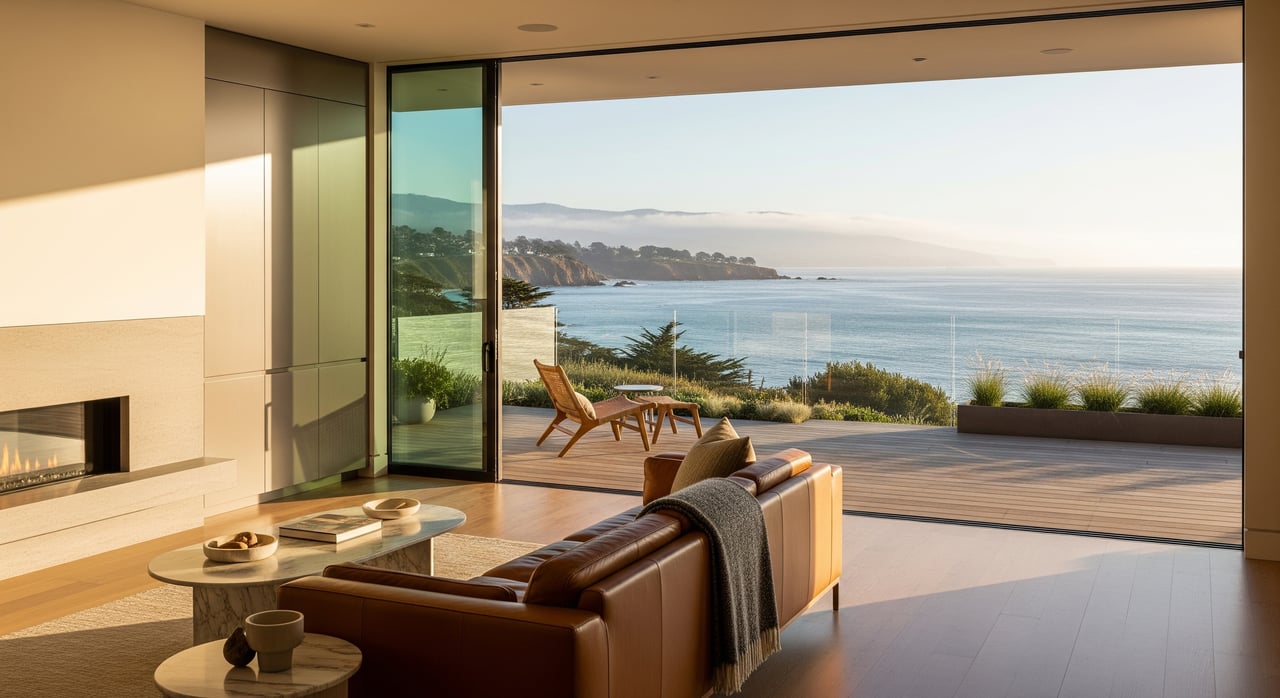
Condo vs. House for a Monterey Second Home

Condo vs. House for a Monterey Second Home

Read Post

How To Evaluate a Legacy Parcel in Pebble Beach

How To Evaluate a Legacy Parcel in Pebble Beach

Read Post
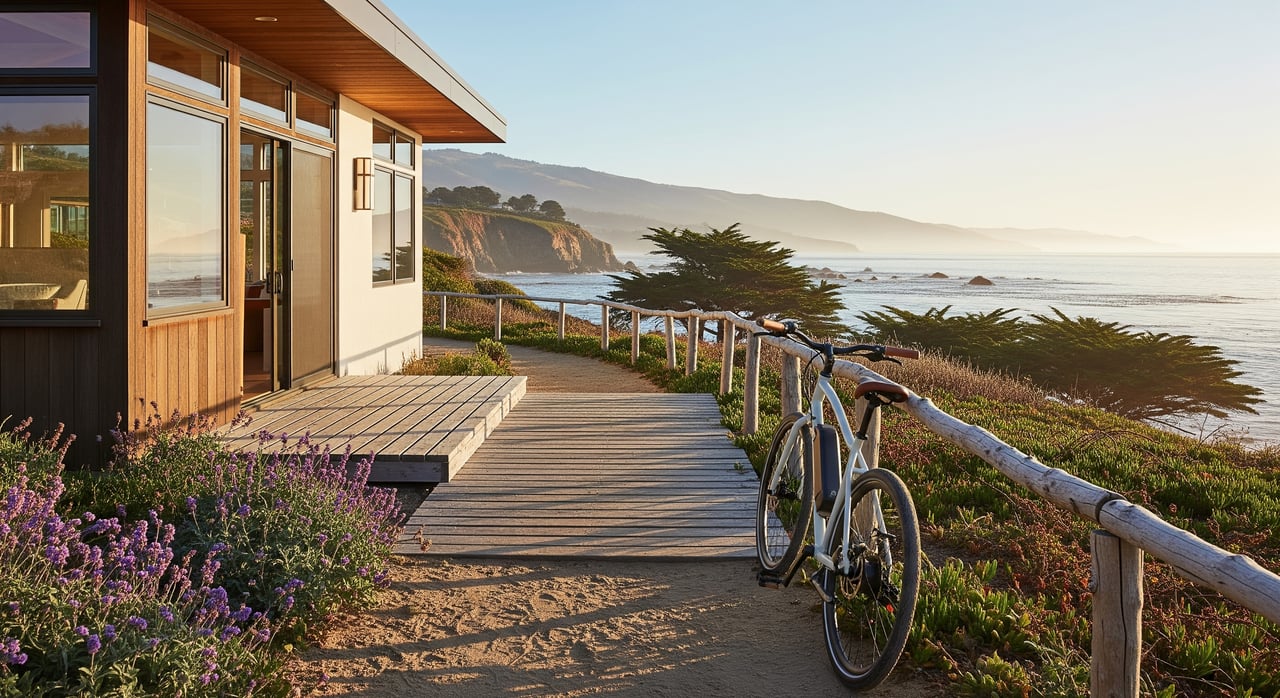
Car‑Light Living In Monterey Using The Coastal Trail

Car‑Light Living In Monterey Using The Coastal Trail

Read Post

Smart Home Upgrades Every Carmel-by-the-Sea Homeowner Needs

Real Estate

Smart Home Upgrades Every Carmel-by-the-Sea Homeowner Needs

Essential Smart Home Upgrades for Carmel-by-the-Sea Residents

Read Post
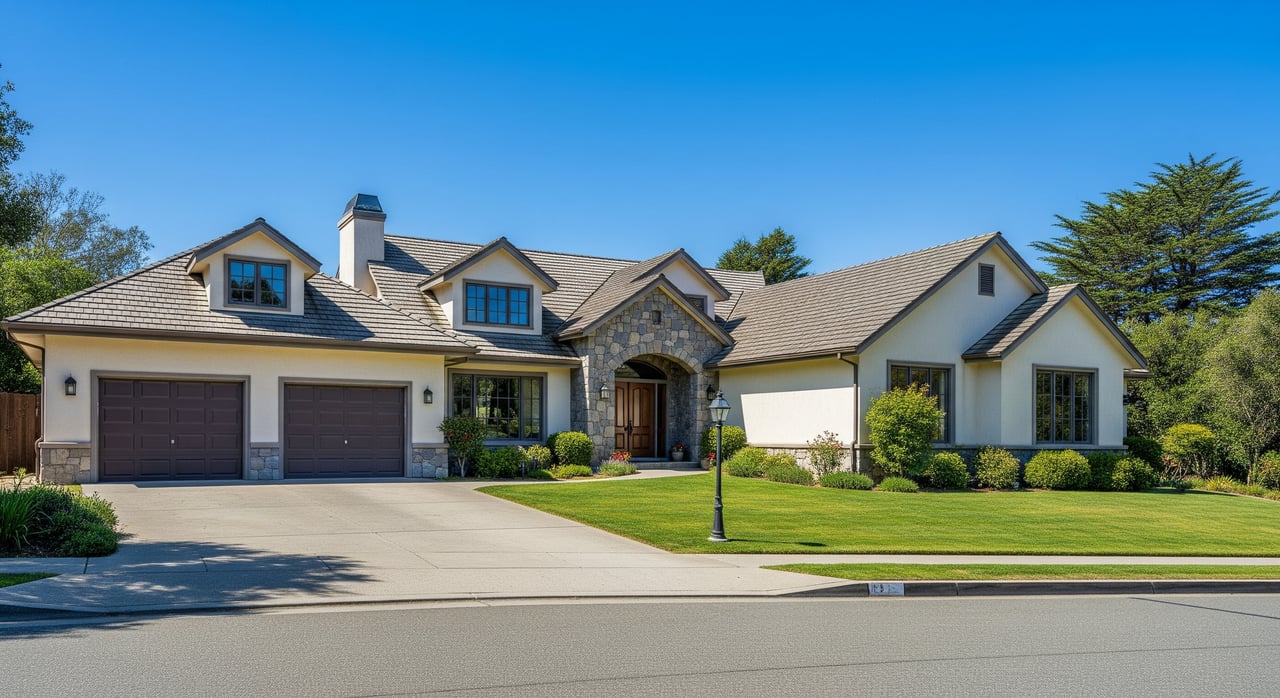
What “Off‑Market” Really Means in Monterey

What “Off‑Market” Really Means in Monterey

Read Post
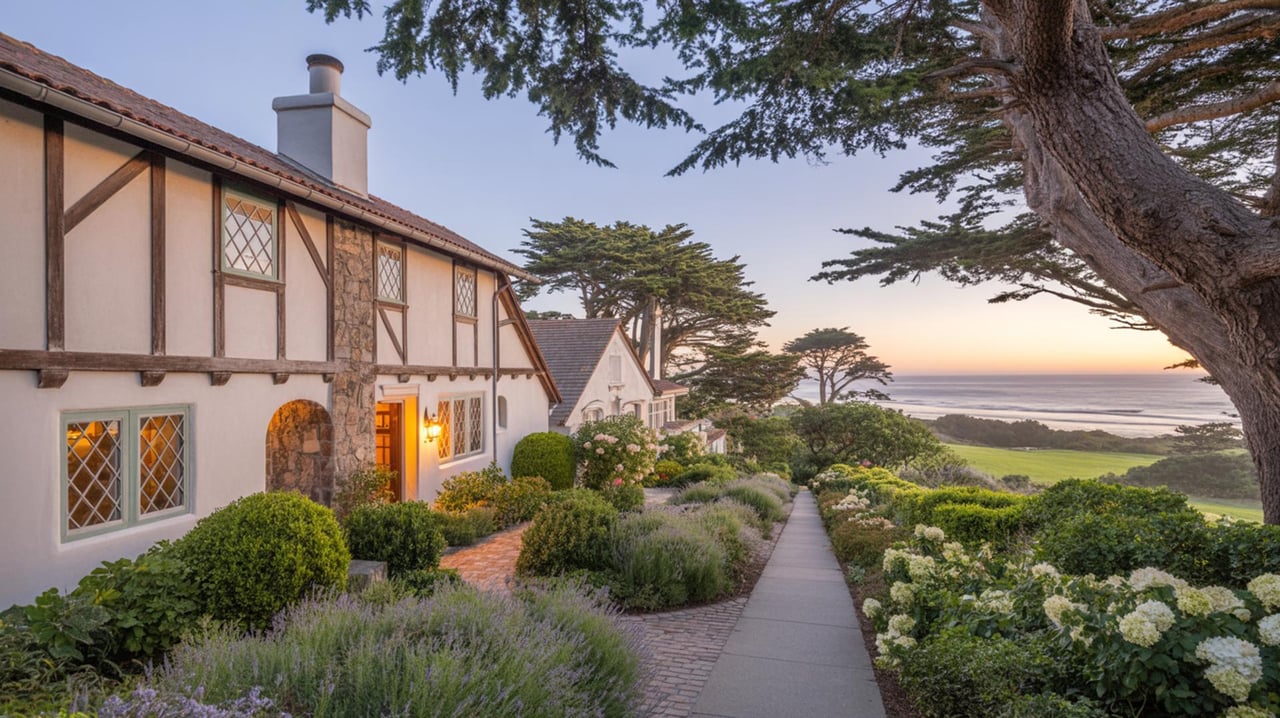
Choosing the Best Neighborhood in Carmel-by-the-Sea

Real Estate

Choosing the Best Neighborhood in Carmel-by-the-Sea

Discover Top Tips for Finding Your Ideal Community in Carmel-by-the-Sea

Read Post
Coastal Drainage And Erosion Tips For Monterey Lots

Coastal Drainage And Erosion Tips For Monterey Lots

Read Post
Top Outdoor Activities to Experience in Carmel Valley, CA

Lifestyle

Top Outdoor Activities to Experience in Carmel Valley, CA

Discover the Best Ways to Enjoy Nature in Carmel Valley

Read Post

How to Build Home Equity Faster in Pebble Beach, CA

Real Estate

How to Build Home Equity Faster in Pebble Beach, CA

Strategies to Boost Your Property's Value in Pebble Beach

Read Post
Unexpected Low-Cost Upgrades With the Highest ROI

Real Estate

Unexpected Low-Cost Upgrades With the Highest ROI

Maximize Your Home's Value in [City Name] Without Breaking the Bank

Read Post
Essential Smart Home Upgrades for Carmel-by-the-Sea Homeowners

Real Estate

Essential Smart Home Upgrades for Carmel-by-the-Sea Homeowners

Practical Smart Home Upgrades to Boost Comfort, Security, and Energy Efficiency for Carmel-by-the-Sea Homeowners

Read Post
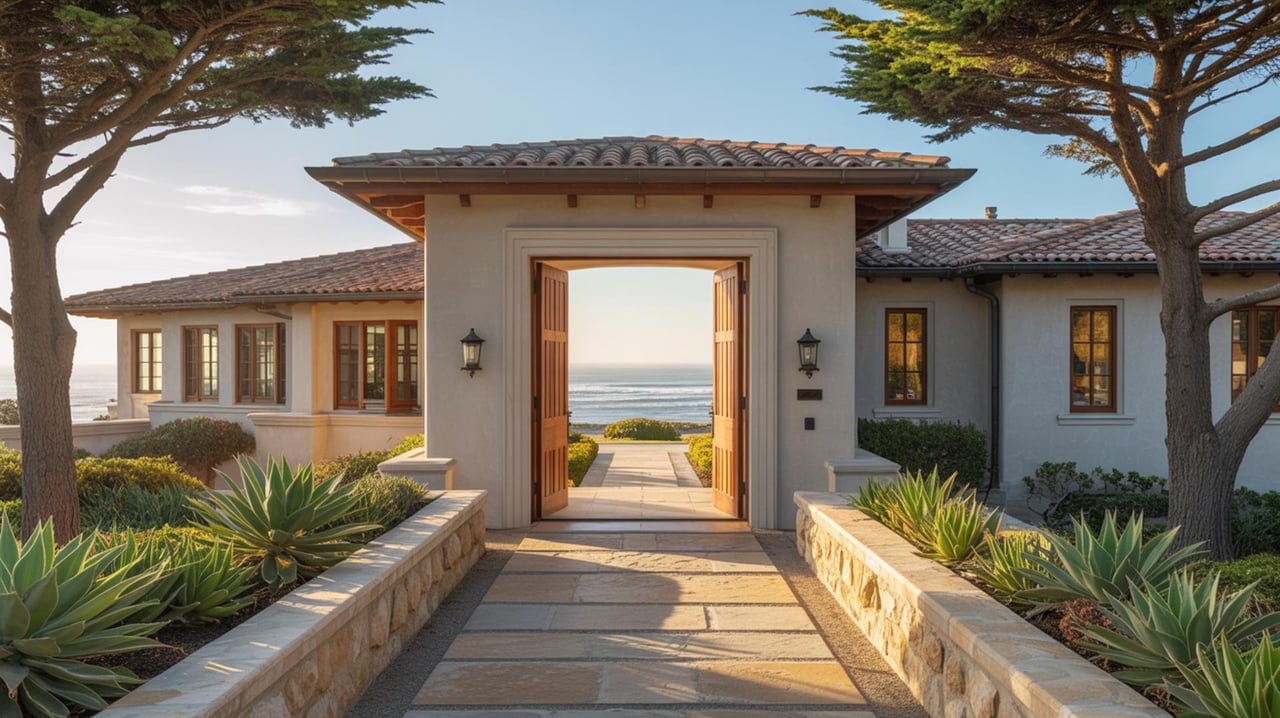
Key Questions to Ask During an Open House in Monterey, CA

Real Estate

Key Questions to Ask During an Open House in Monterey, CA

Essential Considerations for Homebuyers in Monterey

Read Post

Home Design Trends in Carmel Valley, CA

Real Estate

Home Design Trends in Carmel Valley, CA

Exploring the Latest Innovations and Styles in Carmel Valley Home Design

Read Post
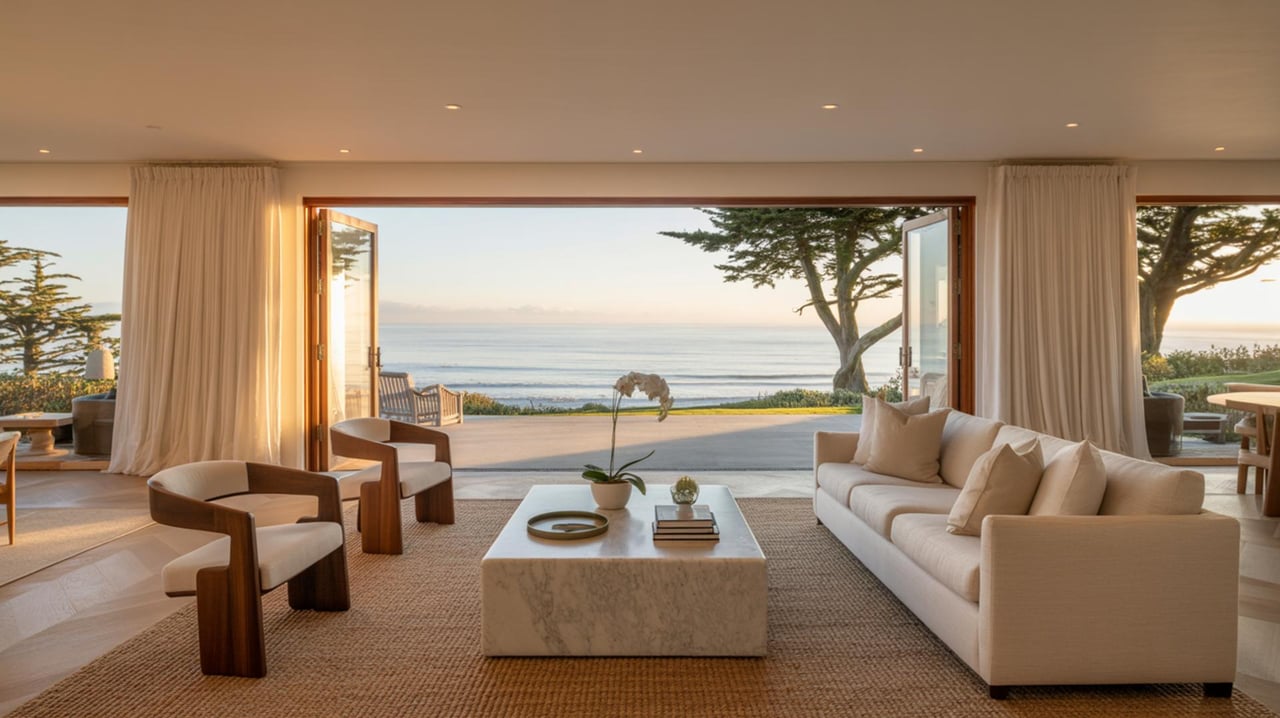
Staging Tips for a Quick Sale in Pebble Beach, CA

Real Estate

Staging Tips for a Quick Sale in Pebble Beach, CA

Essential Home Staging Strategies to Attract Buyers in Pebble Beach

Read Post

Your Guide to Buying a Home in Pebble Beach, CA

Real Estate

Your Guide to Buying a Home in Pebble Beach, CA

Discover Essential Tips and Insights for Home Buyers in Pebble Beach

Read Post
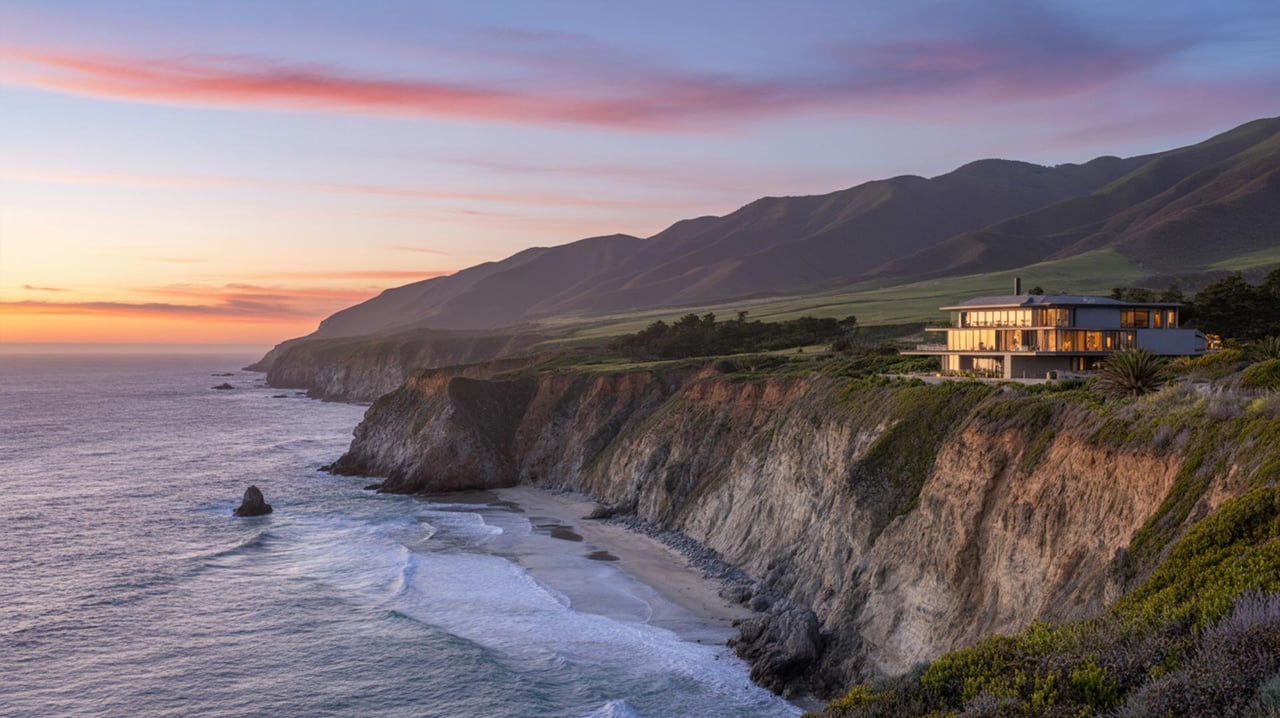
What You Need to Know About the Big Sur Real Estate Market

Real Estate

What You Need to Know About the Big Sur Real Estate Market

Insights and Tips for Navigating the Big Sur Real Estate Scene

Read Post

Recent Blog Post

01
02
03
04
05
06
07
08
09
010
011
012
013
014
015
016
017
018
019
020
021
022
023
024
025
026
027
028
029
030
031
032
033
034
035
036
037
038
039
040

View All

Follow Us